Getting Your Infrared Heaters to Actually Work With Your Power Grid
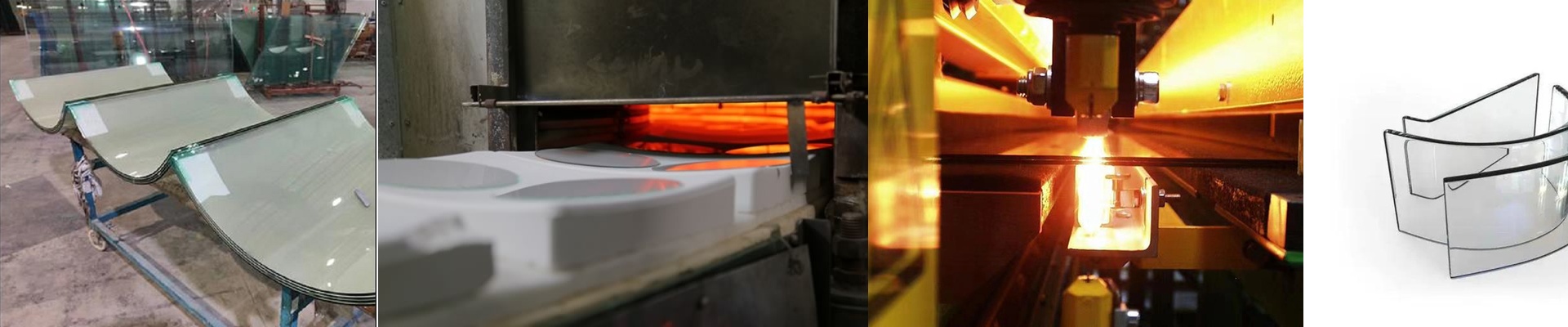
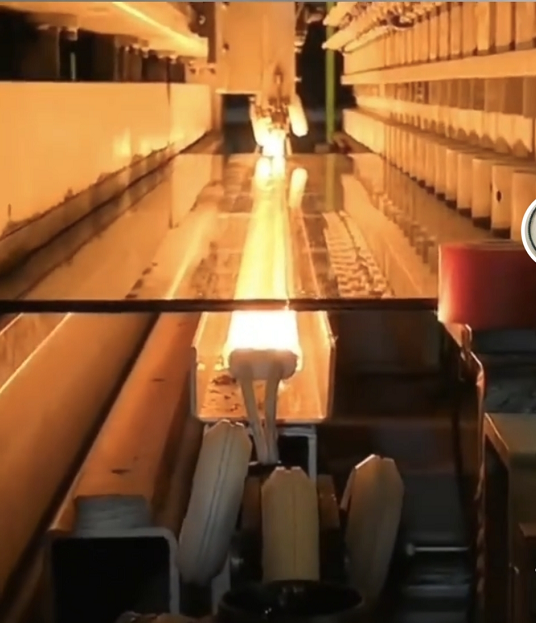
Cutting safety glass is a balancing act. You need just the right amount of thermal stress to get a clean break—too little and it doesn’t snap, too much and the whole pane shatters. We build infrared heating lamps for these cutting lines, but we design them with a real-world focus: the messy reality of factory power.
The Voltage Headache: 110V to 575V
Here’s the thing about power grids: they’re all over the place. If you take a lamp built for a standard 110V US outlet and plug it into a 480V or 575V industrial circuit—the kind you find in heavy plants across North America or Canada—it’s going to pop instantly. Not a fun way to start a shift. That’s why we don’t do “one size fits all.” We tweak the filament length and diameter to match exactly what’s coming out of your wall. And there’s a hidden perk to those higher voltage options. When you run 480V or 575V, you can power longer banks of heaters without needing massive amounts of current. This means you can use thinner wires in your cable tracks, which saves space and money. If you’re just upgrading an old line, we can make the new lamps fit your existing setup perfectly.
Heat, Power, and the Breaking Point
We use short-wave infrared tech because it hits the glass fast. To make sure the lamps don’t crack under that pressure, we use high-purity quartz tubes. But you have to be careful with heat density. It’s tempting to go for the highest wattage possible to speed up the cut, but that puts a lot of strain on the quartz. If a cooling fan dies or some dust blocks your airflow, the tube can actually soften and start to sag. **Pro tip:**Double-check your ventilation before you decide to crank up the wattage. It’s better to be safe than to replace a melted lamp.
Making It Fit Without the Headache
Nobody wants to spend a weekend rebuilding their power distribution block just to install a few new lamps. We handle the end-cap configurations for you, so these are essentially drop-in replacements. Whether you’re using standard R7s or some weird industrial connector, we wire them to meet your local safety codes. Just swap the lamps, calibrate your PID controllers, and you’re back in business. Simple as that.