Why “Just the Right Size” Isn’t Enough for Your Quartz Tubes
When you’re swapping out a quartz heater tube for an R&D project, it’s easy to just check the length and diameter and call it a day. But if you’re working with glass materials, that’s only half the story. The part that actually matters?Power density. Most standard tubes just give you a steady, uniform heat. That’s fine for some things. But when you’re testing new materials, you usually need specific thermal gradients—those hot and cold spots—to actually trigger a phase change or push a material to its breaking point.
Getting the Heat Where You Actually Need It
We don’t just wrap a coil and hope for the best. We actually map out where the wattage lands across the tube. By tweaking how tight the tungsten filament is wound, we can create “zones.” Need a massive spike of heat right in the center that fades out toward the edges? We just adjust the coil density to make it happen. It stops that annoying “cold-end” problem you get with the stuff you buy off the shelf.
The Trade-off: Speed vs. Lifespan
Here’s the thing about pushing more wattage into a shorter tube: you get a massive heat flux. It’s great because you hit your target temperatures way faster. But there’s a catch. That kind of intensity puts a lot of stress on the quartz. If you run these tubes at their absolute limit, they won’t last as long as the low-density versions. It’s a simple trade-off. You either go for “thermal aggression” to get fast results, or you play it safe for a longer tube life.
Real-World Glass R&D
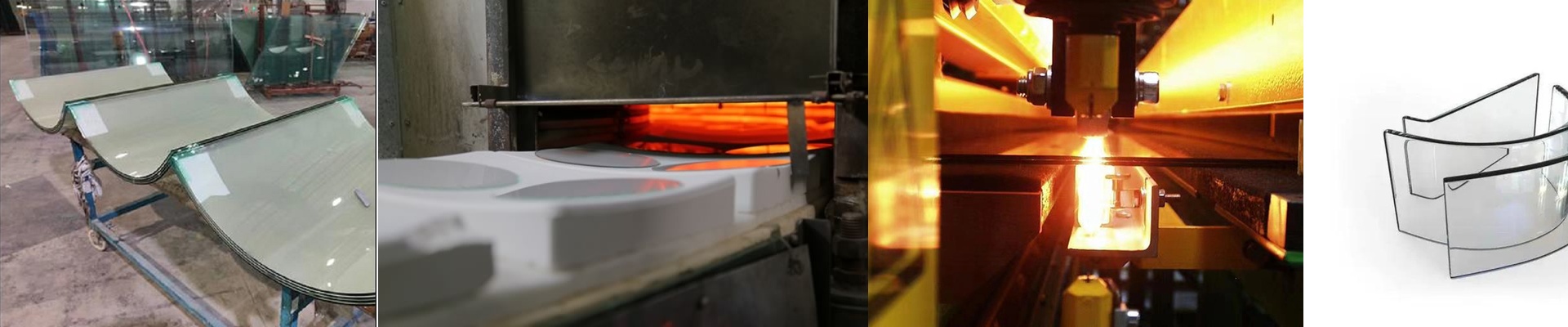
Standard heaters usually flop in glass research because they can’t mimic the violent thermal shocks you find in industrial furnaces. That’s why we give you the freedom to set the voltage and the exact W/cm distribution yourself. No more guessing where the heat is peaking. You can just plug these into your current controllers, dial in the power density, and find the exact moment your new glass compound fails. It takes the guesswork out of the lab.