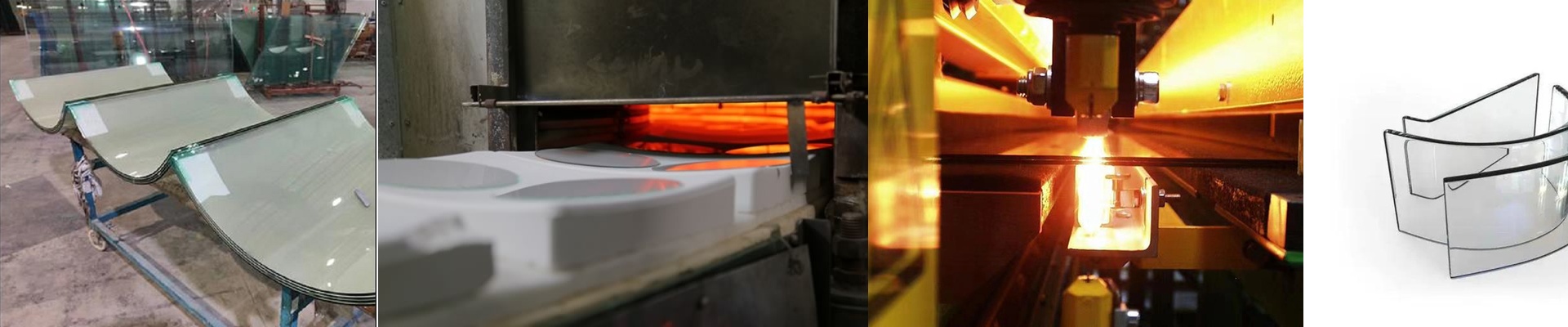
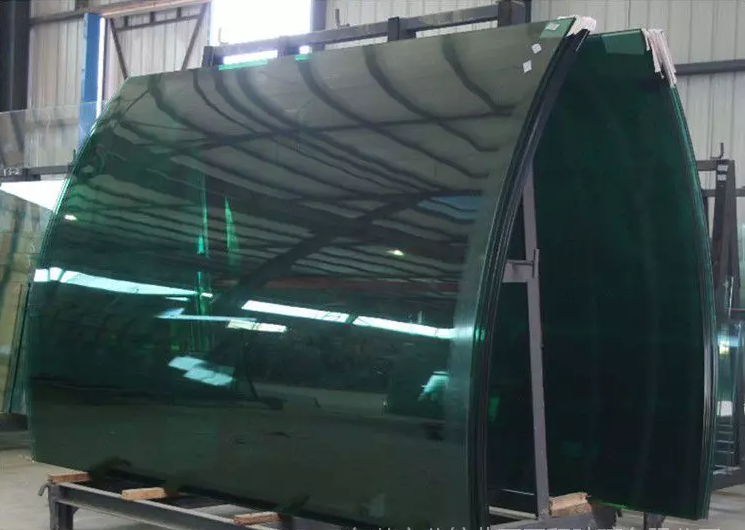
Cutting ultra-thick glass is a brutal process. If you try to score it cold, you’re basically fighting the material. The friction is insane, the mechanical stress is off the charts, and your cutting wheels? They just burn out. It’s a waste of money and a headache. To fix this, we use medium wave infrared (MWIR) lamps. Instead of heating the whole slab, we aim the heat exactly where the cut is going to happen. Here is the trick: most IR heat just bounces off the surface or stays shallow. But medium wave radiation actually sinks into the glass. We’ve tuned these lamps to a wavelength the glass actually “likes” to absorb. Now, we aren’t trying to melt the glass—that would be a disaster. We just want it to soften a tiny bit. It lowers the surface tension, which means the cutting wheel doesn’t have to fight so hard. The difference is night and day. When that path is pre-heated, the wheel just glides. You stop seeing those annoying chips and jagged edges. Since the glass isn’t acting so brittle, your diamond or carbide tips actually last. You get way more mileage out of every single wheel. But, there are a few things you have to watch out for. Since this requires a lot of power, your electrical panels need to be able to handle the extra current draw. And you have to be careful with the heat. If the lamp is too close or stays on too long, you’ll create “hot spots.” That’s how you get glass that looks fine now but spontaneously cracks an hour after the cut. It’s all about the dance between the lamp’s heat and the speed of the cutting head. If your timing is off, you’ll warp the plate or blow the edge. You’ve got to get that calibration just right.