How to keep your outdoor heaters from dying early
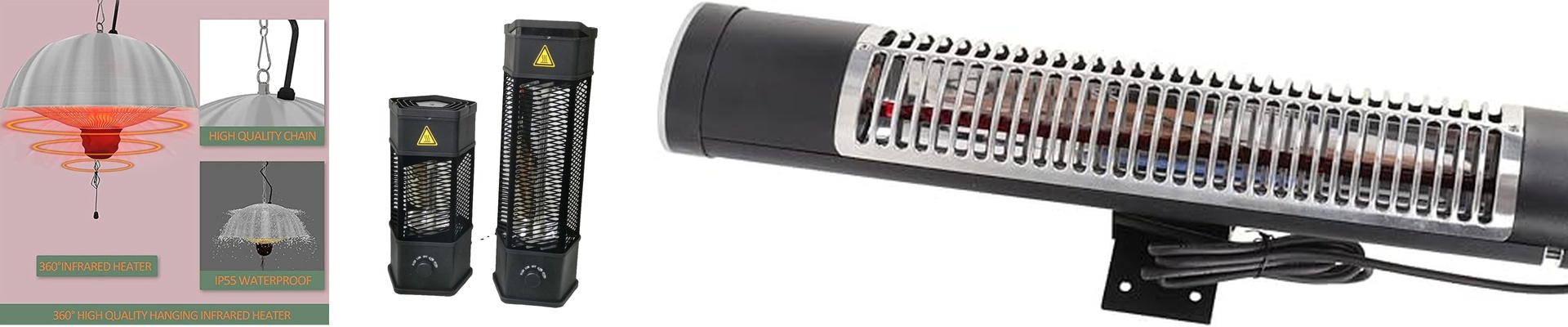
If you’ve ever owned an outdoor infrared heater, you know the two things that absolutely wreck them: rain and condensation. It’s a simple, brutal cycle. Water gets into the electrical housing or a few drops hit a scorching hot quartz tube, and pop—you’ve got a short circuit or a cracked element. It’s frustrating, and it’s expensive. That’s exactly why we build our heaters the way we do.
Dealing with the rain (and the splashes)
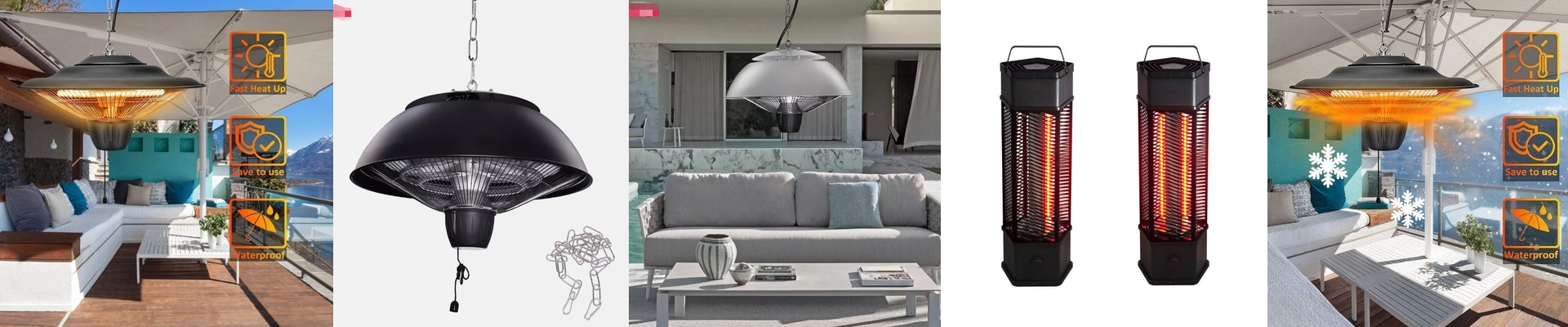
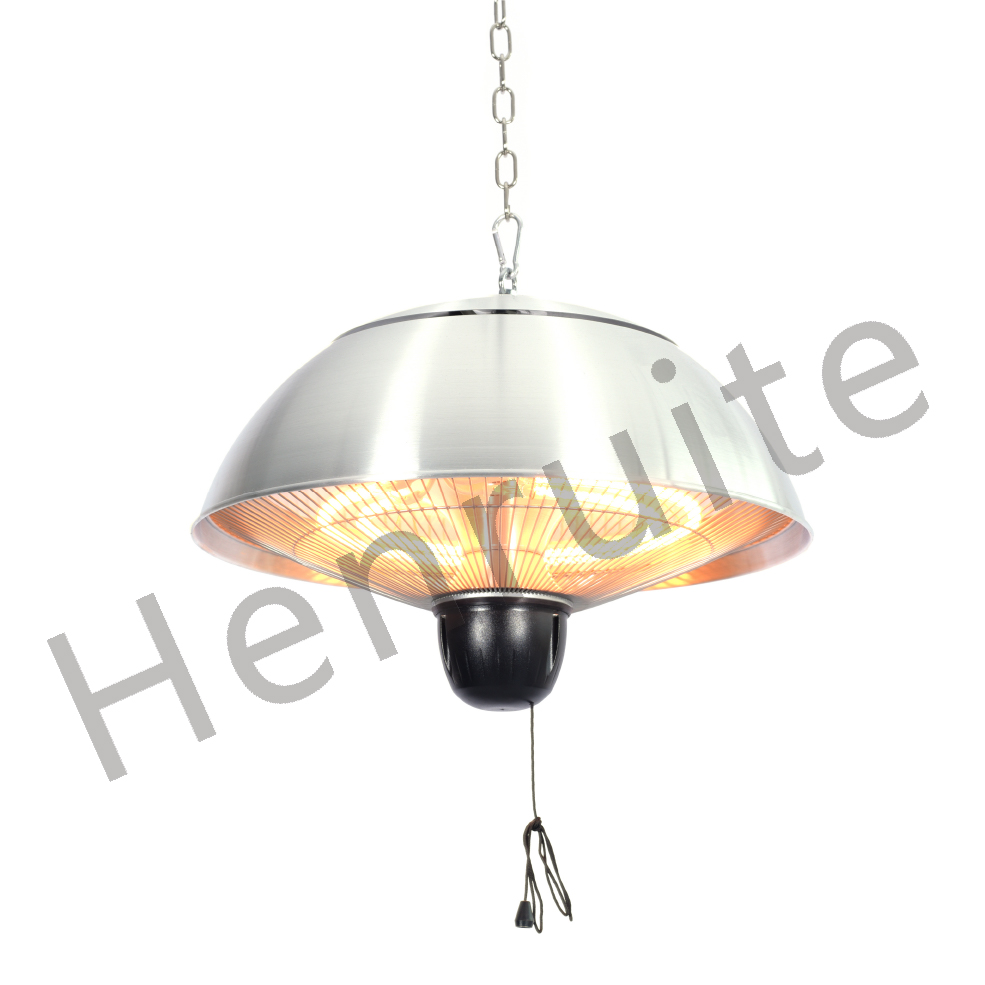
We don’t just slap some plastic over the wires and call it a day. We use heavy-duty sealed housings and gaskets to keep the guts of the machine dry. But here’s the thing: it’s not just about a downpour. It’s the little things. The mist that blows in during a storm or the splash-back when you’re hosing down the patio. We’ve isolated the wiring from the heating element so that if water hits the outer shell, it just slides right off. No pooling. No corrosion. No burnt-out connections.
The battle against fog
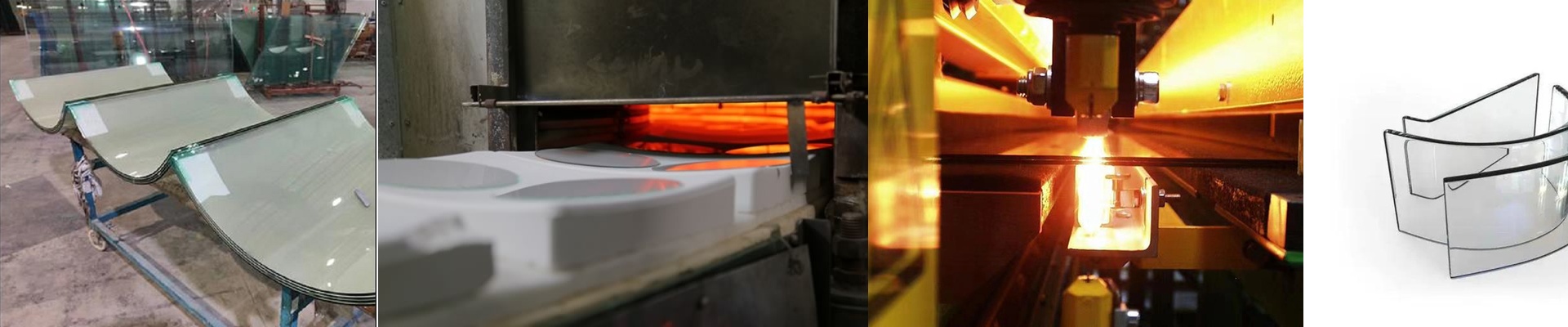
Then there’s the condensation. Outdoor temperatures swing wildly. When you shut the heater off, moisture settles on the lens and the tube. If you flip the switch back on too fast, that moisture turns into steam instantly. That shock can snap a quartz tube in half. To stop that, we added anti-fog coatings and designed specific airflow paths. It keeps the critical parts dry and prevents that “foggy” look that usually kills your heat output.
The honest trade-off
I’ll be straight with you: this kind of protection takes up space. You can’t have a tiny, ultra-slim heater that’s also truly waterproof. It just doesn’t work. You have to choose between a minimalist look or a machine that can actually survive a storm. For any high-traffic area, we believe the extra bulk is worth it. It’s better to have a slightly larger unit than a sleek one that breaks the first time it rains. Just a heads-up—since these casings are a bit beefier, make sure your mounting brackets are sturdy enough to handle the extra weight.