Why Your Bathroom Heater Needs to Be “Explosion-Proof”
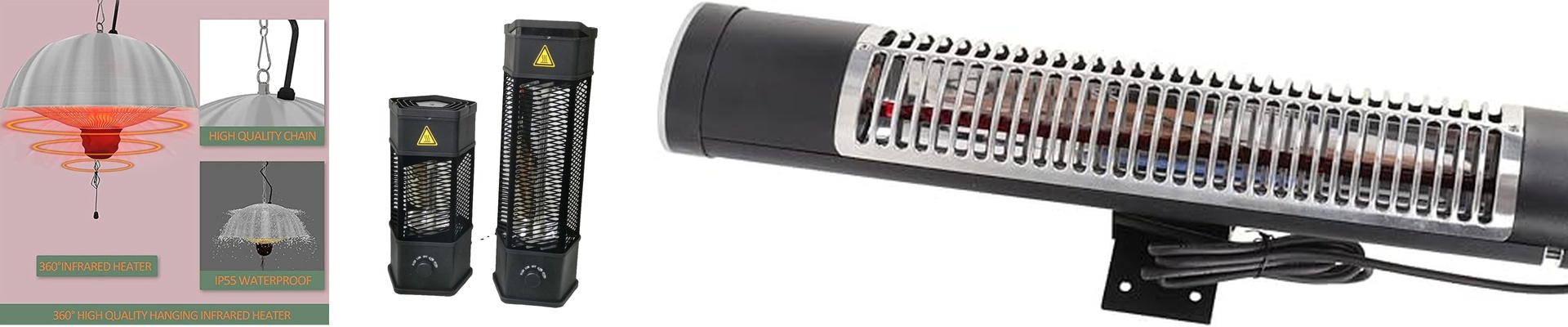
Let’s be honest: bathrooms are a nightmare for electronics. You’ve got steam everywhere and water splashing wherever it wants. Most standard heaters just can’t hack it in those conditions. That’s why we lean on IP65 housings and explosion-proof quartz tubes. It’s the only way to make sure you don’t end up with a short circuit or, worse, shattered glass.
The deal with quartz
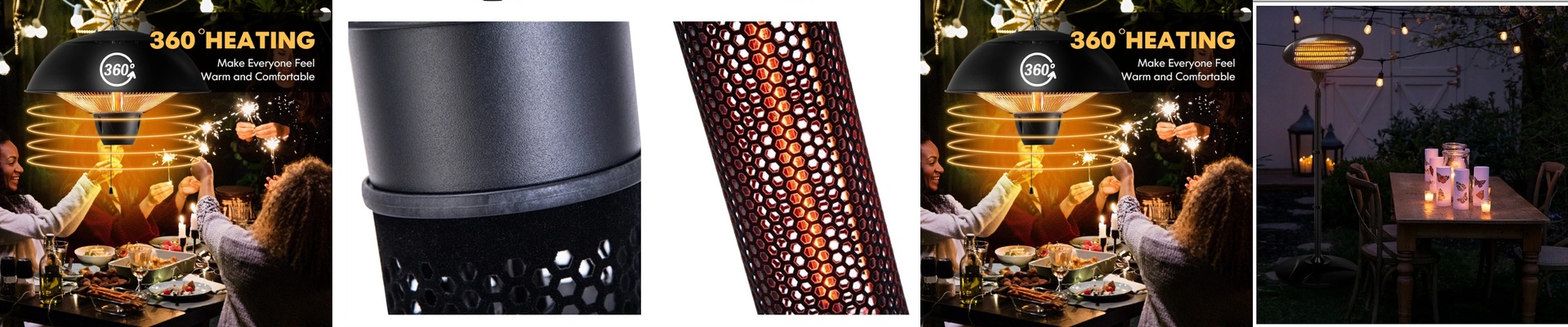
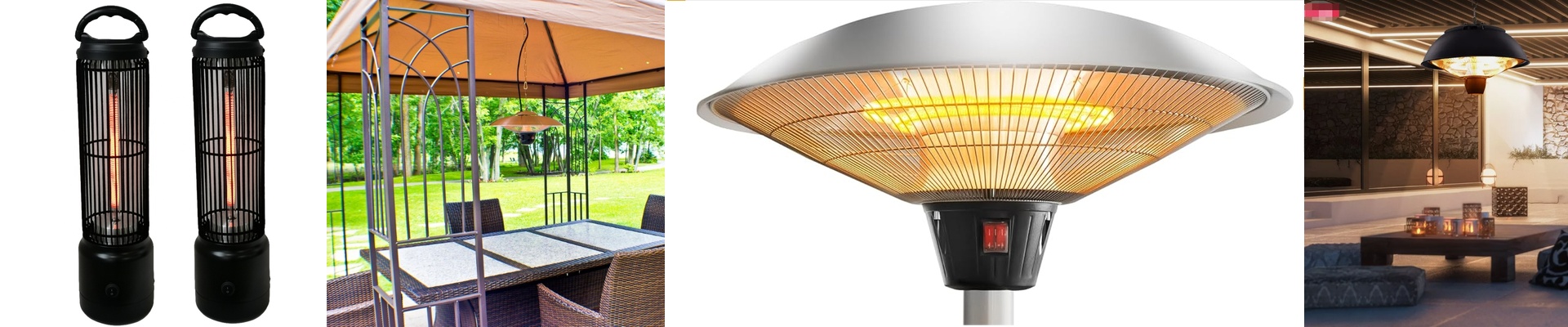
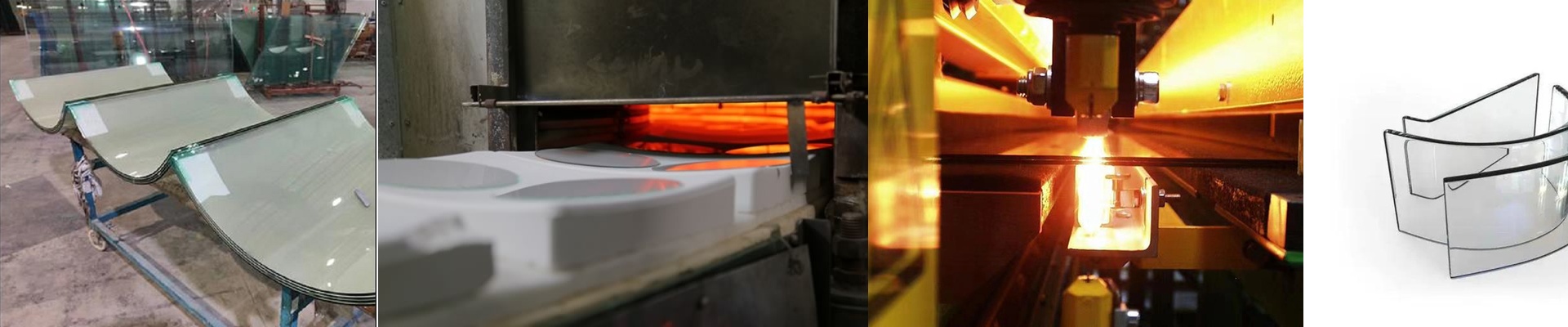
Here is the problem with regular glass: it hates sudden temperature changes. Imagine a tiny droplet of cold water hitting a lamp that’s sitting at 600°C. That instant shock causes the glass to contract and snap. We use explosion-proof quartz because it actually handles those wild swings. Even if the outer wall takes a hit, the tube is built to keep the internal halogen gas locked inside. The best part? You get that instant, short-wave infrared heat. It doesn’t waste time trying to warm up the air in the room—it hits your skin directly. It feels like standing in the sun.
Keeping things dry (and safe)
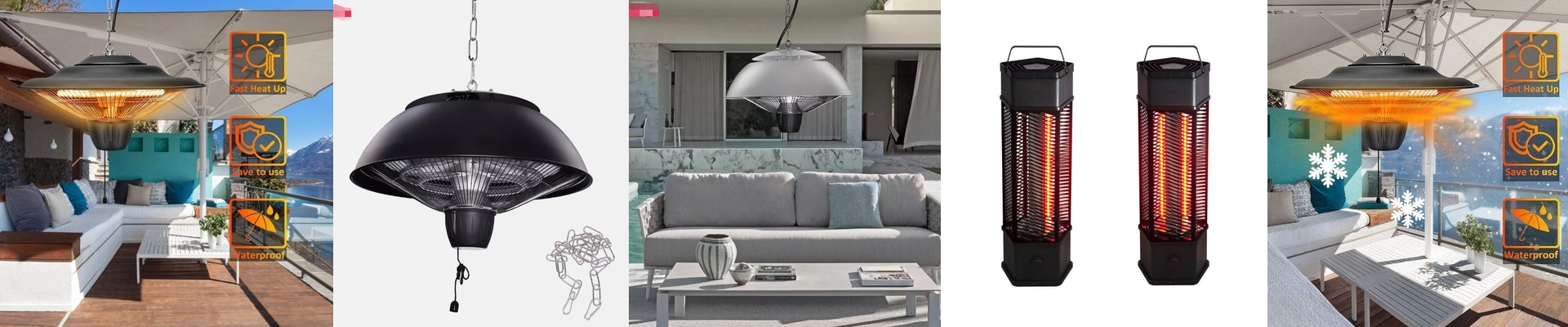
When we talk about an IP65 rating, we’re basically saying the unit is tight. Dust can’t get in, and it can handle a decent spray of water without blinking. We seal the wiring entries tight so moisture doesn’t creep into the terminals. Because if water hits the internal circuitry, you’re looking at a ground fault. Not a great way to start your morning. We also use reinforced insulation to keep the chassis “dead.” Plus, the wiring is specially made for high heat. You don’t want your insulation melting just because it’s sitting near the end of a hot tube.
A few things to watch out for
These heaters pack a massive amount of heat into a tiny space. It’s great for warming up fast, but you have to be careful where you put them. If you mount them too close to plastic panels, you’re going to warp your trim. One more tip: give these units their own dedicated circuit breaker. They can have a bit of a power surge when they first kick on, which tends to trip smaller, undersized breakers. Throw in some high-temp leads, and you’ve got a setup that actually lasts, even in the wettest spots of the house.