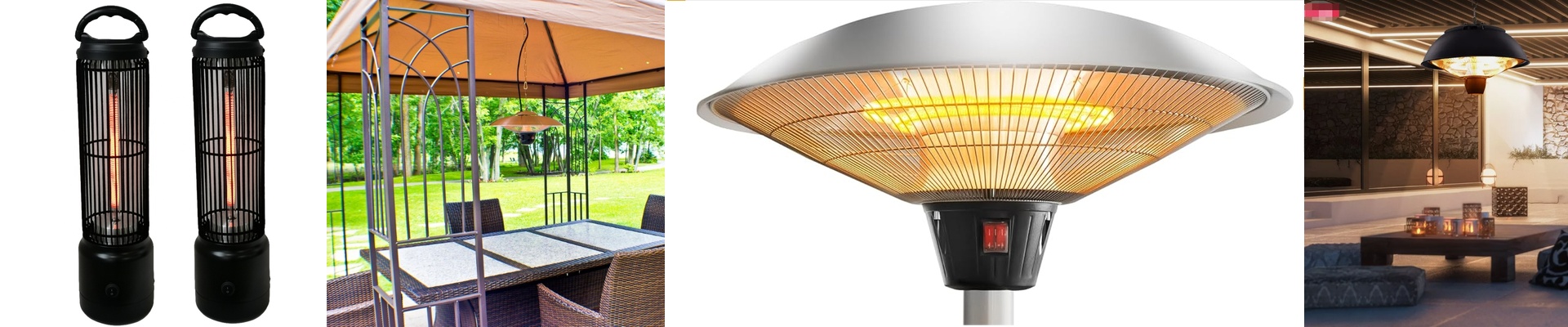
Fitting Serious Heat into a Tiny Glass Repair Tool
When you’re trying to jam high-performance infrared (IR) heating into a mobile glass repair bracket, you’re basically fighting a war against space. You need a ton of heat, but you have almost nowhere to put it. Standard industrial heaters are way too bulky for this. They just won’t fit. That’s why we lean on miniaturized shortwave IR lamps. It’s the only way to get that thermal punch without the tool becoming a giant, clunky brick.
The Power Struggle
Here’s the thing: in a mobile setup, you don’t have unlimited power. You’re working with a ceiling. If you just throw a high-wattage heater in there, you’ll blow a fuse or melt your own bracket before you even touch the glass. We spend a lot of time tweaking the wattage-to-length ratio to find that sweet spot. Shortwave IR is the secret sauce here. It hits the glass surface fast and hard. No long wait times. You get a concentrated zone of heat exactly where you need it, which means the rest of the tool doesn’t just soak up heat for no reason.
Making it Small (And Making it Last)
Space is the enemy. To keep the handheld bracket light enough to actually use all day, we use micro-quartz tubes and tiny connectors. But you have to be careful. If you bend high-temp wiring too sharply, it’ll burn out—fast. Unless your shielding is top-tier, those tight corners are a death sentence for the element. We keep the leads as short as possible. It stops the voltage from dropping and keeps the signal clean.
The Trade-off
There’s a catch, though. When you pack that much heat into such a small area, you create a massive hotspot. The glass gets hot quickly, which is great, but the housing takes a beating. If you aren’t careful, you’ll literally melt your bracket mounts. You can’t just crank the wattage and hope for the best; you have to balance that heat with solid airflow. A good fan or a decent heat sink is the only thing keeping the tool from eating itself during a long shift.