Engineering High-Density Infrared for Mobile Glass Tube Annealing
We built this infrared lamp for a mobile glass repair rig, plain and simple. Here’s the reality you’re facing on the road: not much voltage to work with, and hardly any space to spare. But you still need serious, industrial-grade heat to anneal glass properly. So we packed a ton of power into a small package that actually fits the job.
Technical Deep-Dive: Power, Voltage, and Dimensions
The lamp runs at 400V and 2500W. That’s enough punch to get the job done, without needing a monster power supply on your truck. We made the tube 300mm long because that’s the sweet spot for most work areas. It gives you a tight, focused zone of heat—right where you need it, no wasted spread. But let’s be honest: this is a lot of power for the size. So your rig has to be ready for it. Proper cooling and wiring that can handle the load are a must. We chose 400V for a reason. It keeps the current lower, which means you can use thinner cables and smaller connectors. That’s a big win for a mobile setup.
Material and Design: Halogen, Quartz, and R7s
Inside, you’ve got a halogen-filled quartz envelope. The halogen keeps the filament stable, even when it’s screaming hot. No burnout. Just consistent output, shift after shift. The quartz body can take the thermal shock and blasts out shortwave infrared. That means the heat gets into the glass fast. And the R7s connector? It’s just a smart, practical choice. It’s compact, locks in tight, and makes the wiring a one-and-done deal. You hook it up, and it stays put—even when the whole rig is getting jostled around the shop.
Application and Benefits: Mobile Adaptation and Performance
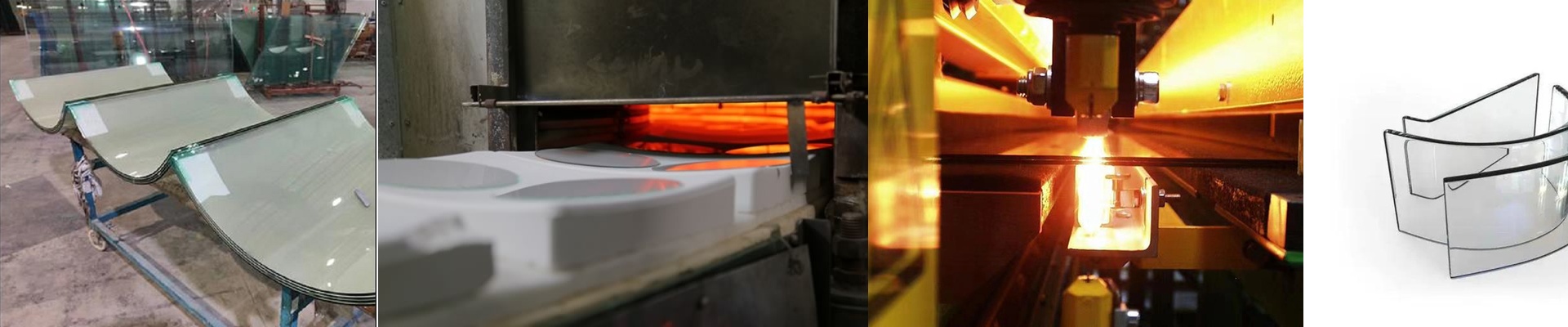
If you’re doing mobile glass repair, this lamp needs to drop in and work. Minimal fuss. The compact design leaves you room for your positioning arms and safety shields. It heats up fast, right where you point it. That cuts down on cycle time and gives you way more control during annealing. Out in the field, you get repeatable results without dragging around a giant oven. Just remember, you’re dealing with a lot of power in a small space. Give it a well-vented home and keep the heat separated from the other sensitive bits on your rig.