Introduction
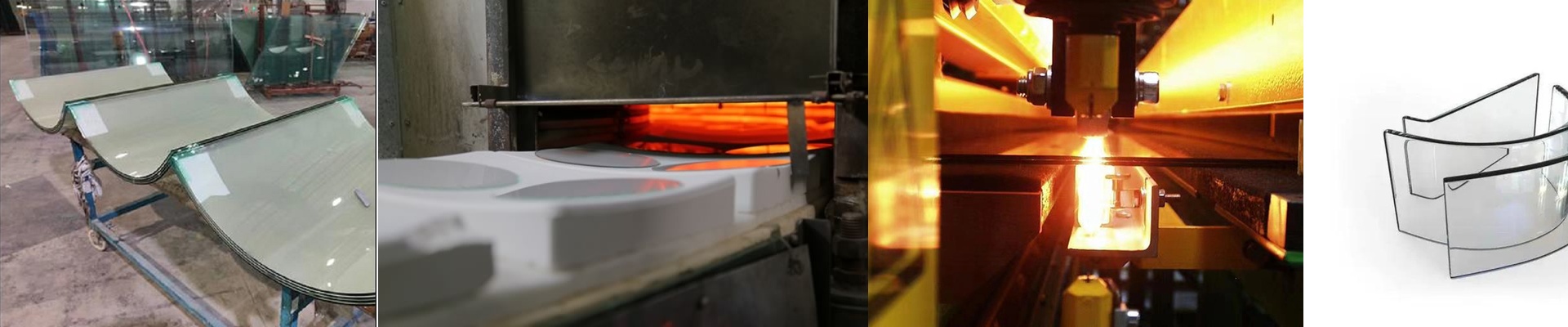
Here’s the thing about glass annealing: you’re trying to do one simple job—take out the stress inside without shattering the glass. Sounds easy, right? But then you have to deal with the shapes. Twisted stems. Flared rims. All those odd, irregular bodies. They create these “temperature dead zones” that regular heating just can’t reach. So we built our fiber glass annealing heaters to fix that. They use focused infrared to hit every single surface, no matter how tricky the container’s shape.
The Power Behind the Heat
We designed this system for real life—your production line, not a lab. The heaters run on 400V, which gives us the muscle to crank the quartz tube up to serious heat without tripping the system. And with 2500W of power, the tube heats up fast. Seriously fast. It keeps up with the conveyor speed, so you don’t have to slow down and wait for the heat to catch up. The whole unit is compact, too—about 300mm long. That means it fits in tight spots. And you can line up a bunch of them to create a heating grid that matches your exact container layout.
Built to Last
At the heart of it is a quartz tube. We chose it because it can handle thermal shock and stay rock-solid at high temps. Inside, a halogen element pumps out shortwave infrared that gets right through the glass, quickly and evenly. The tube also has a special coating to protect it from the harsh annealing environment. It keeps the output steady, day after day. For the electrical connection, we went with R7s connectors. They’re industrial-grade, tough enough to handle the constant vibration of a factory floor. And when a tube does burn out, swapping it in is a simple, straightforward job.
Real-World Results
In the annealing lehr, these infrared heaters really shine when the shapes get complicated. Because the radiation travels in straight lines, we can aim the units so they “see” into those hard-to-reach spots that convection heat just misses. No more stubborn cold spots. Just a more even anneal, fewer rejects, and output that stays stable, run after run. But there’s one thing to keep in mind. 2500W at 400V generates a lot of heat. So your machine’s cooling and airflow need to be up to the task. If the surrounding area can’t shed that heat, the system will run hotter than you want. Plan your heat dissipation from the start, and these heaters will give you consistent, full-coverage performance. Every single time.