
Stop Fighting Your Glass Annealing Setup
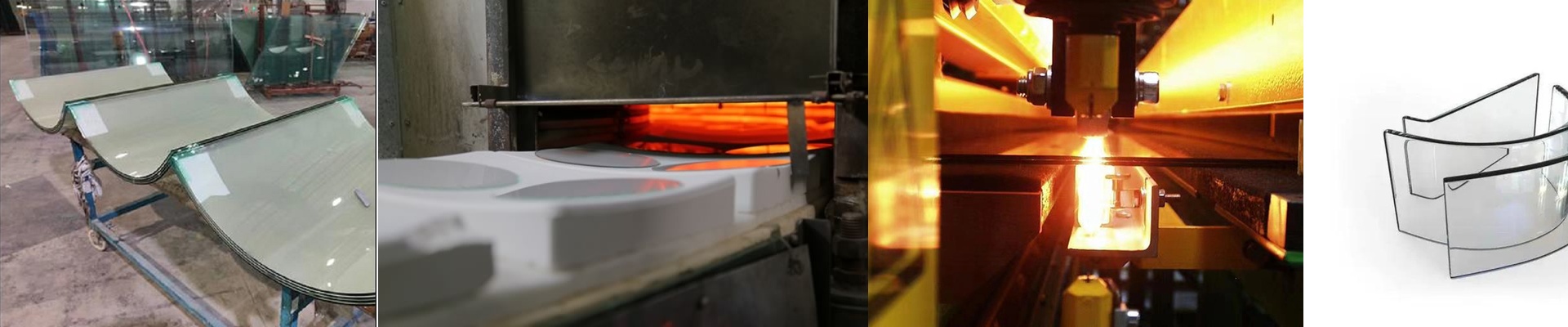
Getting the thermal gradients just right to kill internal stress in glass is a headache. We’ve always leaned on shortwave infrared lamps for this. Why? Because they actually punch through the glass and heat the middle of the material way faster than some old-school convection oven ever could. But here is the real problem: most plant upgrades turn into a nightmare because of the physical space. You’re stuck with the footprint you’ve got.
The “It Doesn’t Fit” Headache
Let’s be honest. Most production lines are a Frankenstein’s monster of old and new gear. You probably have a mess of screw-in heads and weird, irregular connectors scattered across your tunnel. Nothing kills a mood faster than ordering a replacement lamp only to realize it doesn’t fit the socket. Suddenly, you’re looking at rewiring the entire rack. It’s a waste of time and a total pain. That’s exactly why we built our IR line to just… fit. Whether you’re dealing with standard spiral heads or those strange custom interfaces, these are drop-in replacements. You don’t have to mess with the chassis. You don’t have to touch the wiring harness. You just put them in and get back to work.
No Adapters, No Nonsense
We obsessed over the mechanical fit. We matched the exact dimensions and pin layouts of the old hardware so you don’t have to use adapters. Adapters are risky. They create electrical resistance and cause “heat soak” right at the connection point, which is the last thing you want. When it’s time to upgrade, you just pull the old tubes out and pop the new ones in. No recalibrating the holders. No swearing at the equipment. Just a fast swap that keeps your downtime to a minimum.
A Few Things to Watch Out For
Now, a quick heads-up. High-density IR lamps hit hard and fast, but that puts more pressure on your power distribution. If you’re jumping from low-wattage old tubes to high-output quartz,go check your breakers first. Also, that extra heat flux can be a bit much for nearby sensors. I’d suggest double-checking your cooling airflow. You want to make sure those sockets stay cool while you’re running at full tilt.