
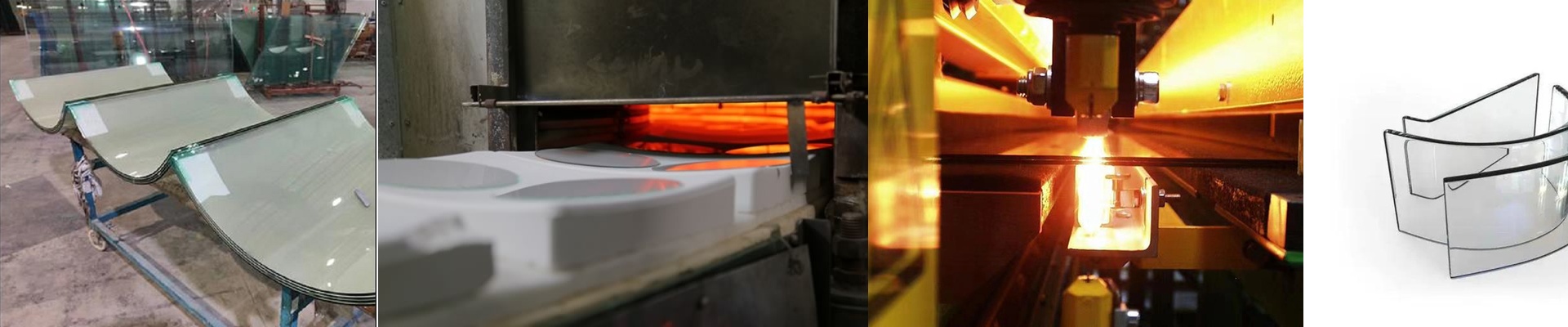
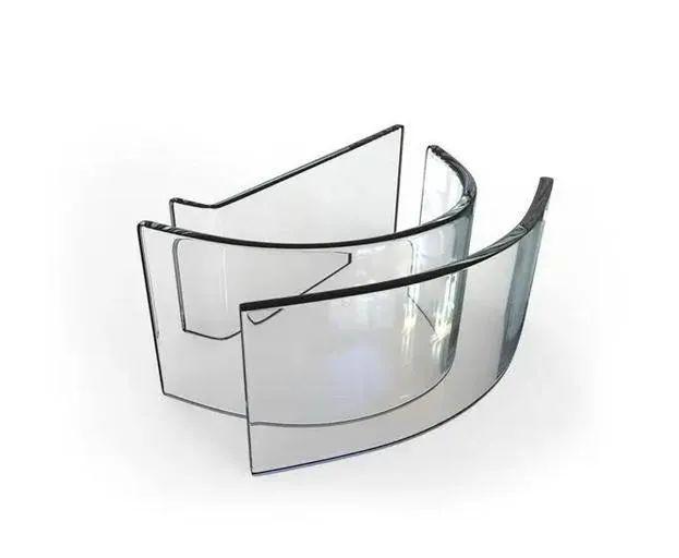
On the line, heat is more than temperature—it’s control. In tempering, bending, EVA/SGP/PVB lamination, and coating drying, a hot zone that drifts shows up fast: optical distortion, thermal stress cracks, and scrap that drags down yield. We build industrial oven heater parts to keep every heating step repeatable, shift after shift. What matters, technically, is matching the energy to the glass. We design heating modules around quartz and short-wave infrared elements, chosen to line up with the emissivity and thermal response of the glass. Geometry is tuned so radiant energy lands evenly, giving you a stable thermal field instead of hot spots that push the glass into warp and stress. Specs are picked for equipment that actually runs on the floor: standard voltages, defined watt densities, and mounting dimensions that drop into common oven zones. Fast ramp capability keeps pace with high-throughput bending and tempering, while tight control tolerances hold lamination and coating cure profiles steady. Here’s why this matters where the work happens. In bending, uniform heat cuts down rework caused by inconsistent sag. In tempering, predictable preheat and quench zones mean fewer breakouts and more consistent surface compression. In lamination, the right heat profile gives you complete adhesive flow without edge voids or over-cure. In coating drying, controlled irradiation shortens dwell time and trims gas use—without scorching sensitive layers. The payoff is fewer line stoppages, less scrap, and quality you can count on at production speed. Installation is straightforward, but the oven environment always has a say. Reflectors, insulation condition, and airflow shape temperature uniformity, so the heater has to match the chamber design. For coatings and thin-film work, confirm optical transmission and absorption characteristics to avoid localized overheating. Plan maintenance around thermal cycling—heater joints and termination integrity take a beating from repeated heat shocks. Specify connector types and mounting tolerances to match your OEM footprint, and you get a drop-in fit with predictable performance.