
Why Your Bathroom Heater is Doing More Than Just Warming Your Toes
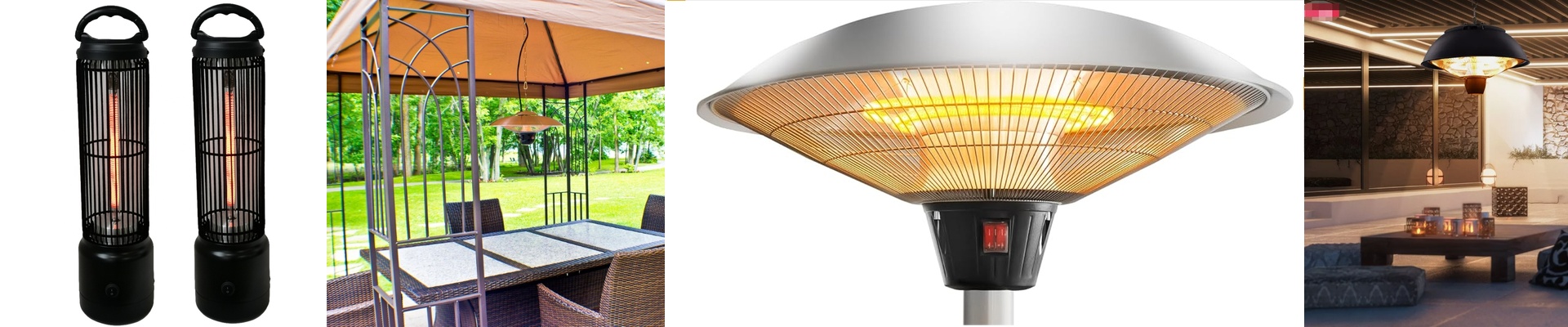
Most people see those infrared lamps in the bathroom and think, “Oh, it’s just a heater.” But there’s actually some pretty cool stuff happening behind the scenes. We aren’t just trying to make the air feel cozy; we’re actually attacking the moisture where it hides.
The secret to a dry bathroom
Here is the thing about standard heaters: they warm up the air. The problem? Your tiles stay cold. When warm, moist air hits those cold tiles, you get condensation. And once you have damp walls, you have a playground for mold. That’s why we use shortwave infrared. Instead of just heating the air, these rays dive deep into the surfaces of your walls and ceiling. They get the actual material warm—above the “dew point”—which basically forces the water to evaporate. You aren’t just fighting a chill. You’re literally stripping the moisture off your walls before mold even gets a chance to move in.
The nitty-gritty of the gear
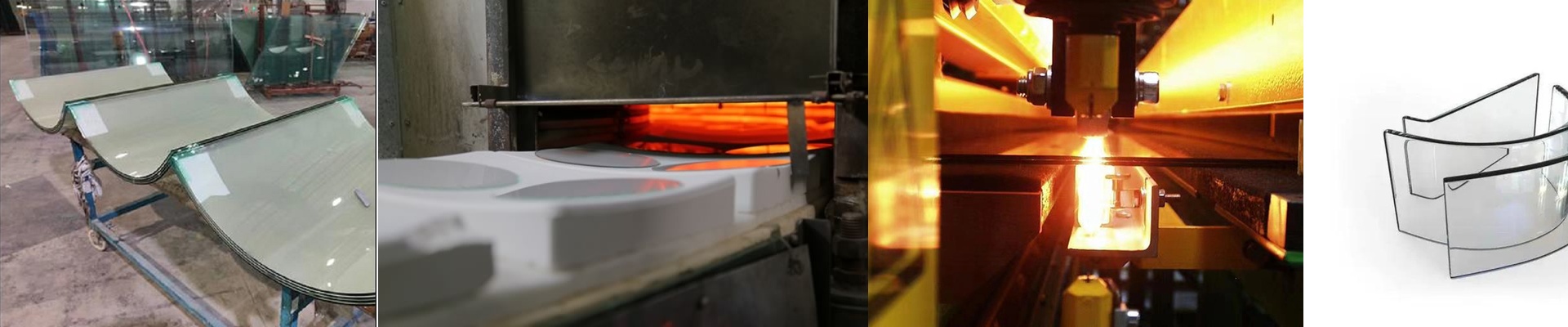
To make this work, we use quartz glass with special coatings to get the wavelength just right. Because these lamps pack a lot of heat into a small space, we have to use high-temperature wiring. If we didn’t, things would get messy fast. But you can’t just throw the biggest lamp you can find into a tiny room. You have to balance the power with the size of the space. And here is a pro tip:**your exhaust fan matters.**If your fan is weak, the lamp will evaporate the water off the walls, but that moisture has nowhere to go. You’ll just end up moving the dampness from your walls up to your ceiling.
What this actually means for you
When you use this kind of tech, you don’t have to keep your ventilation fans screaming 24/7. It creates a “dry zone” in the spots where your bathroom is most vulnerable. It just feels cleaner. Your bathroom stays dry, the air feels fresher, and you don’t have to spend your weekend scrubbing mildew off the grout.