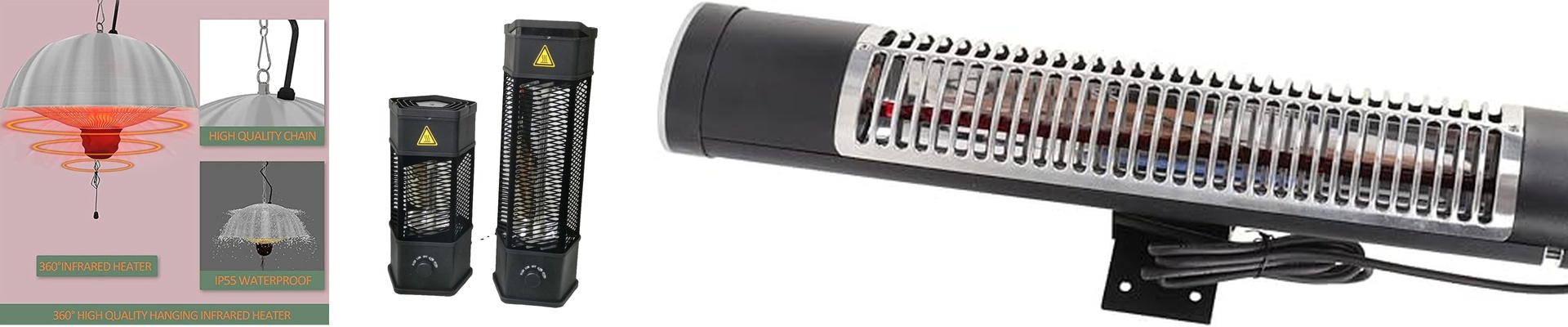

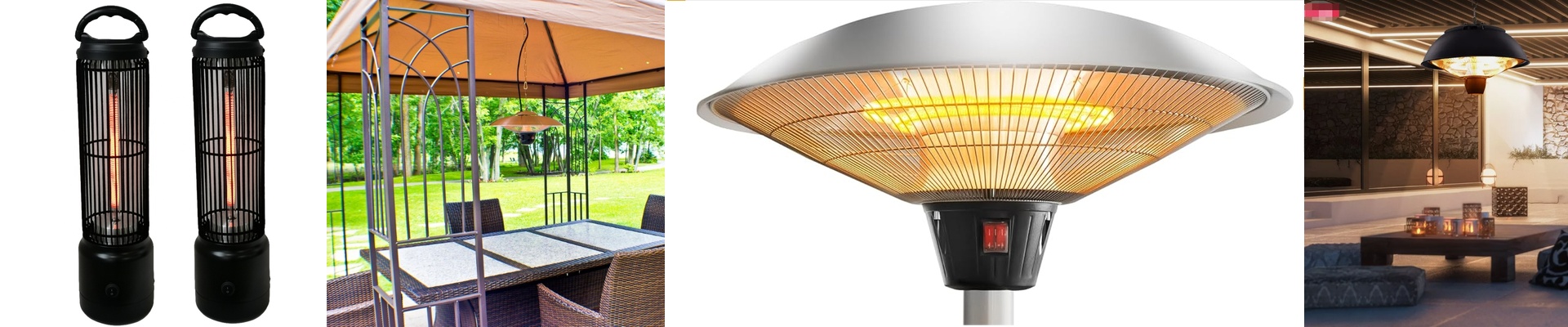
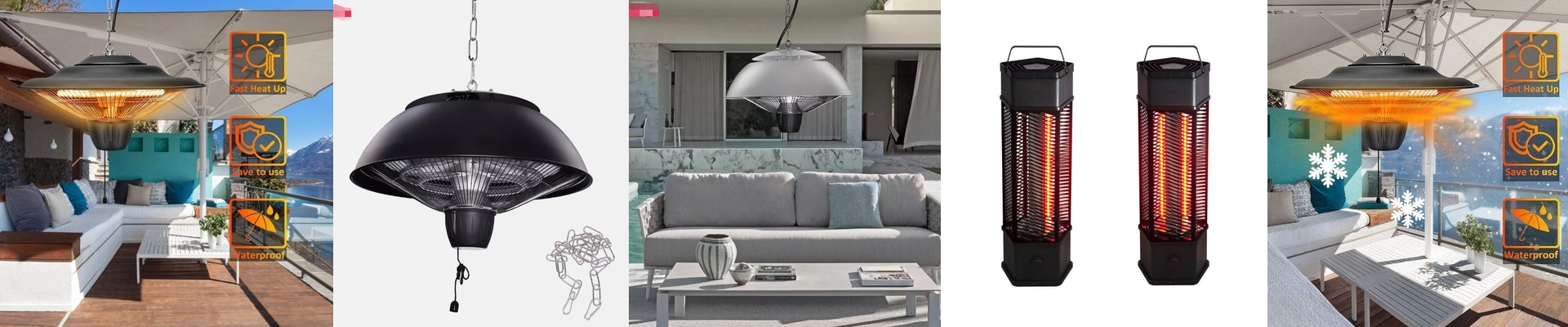
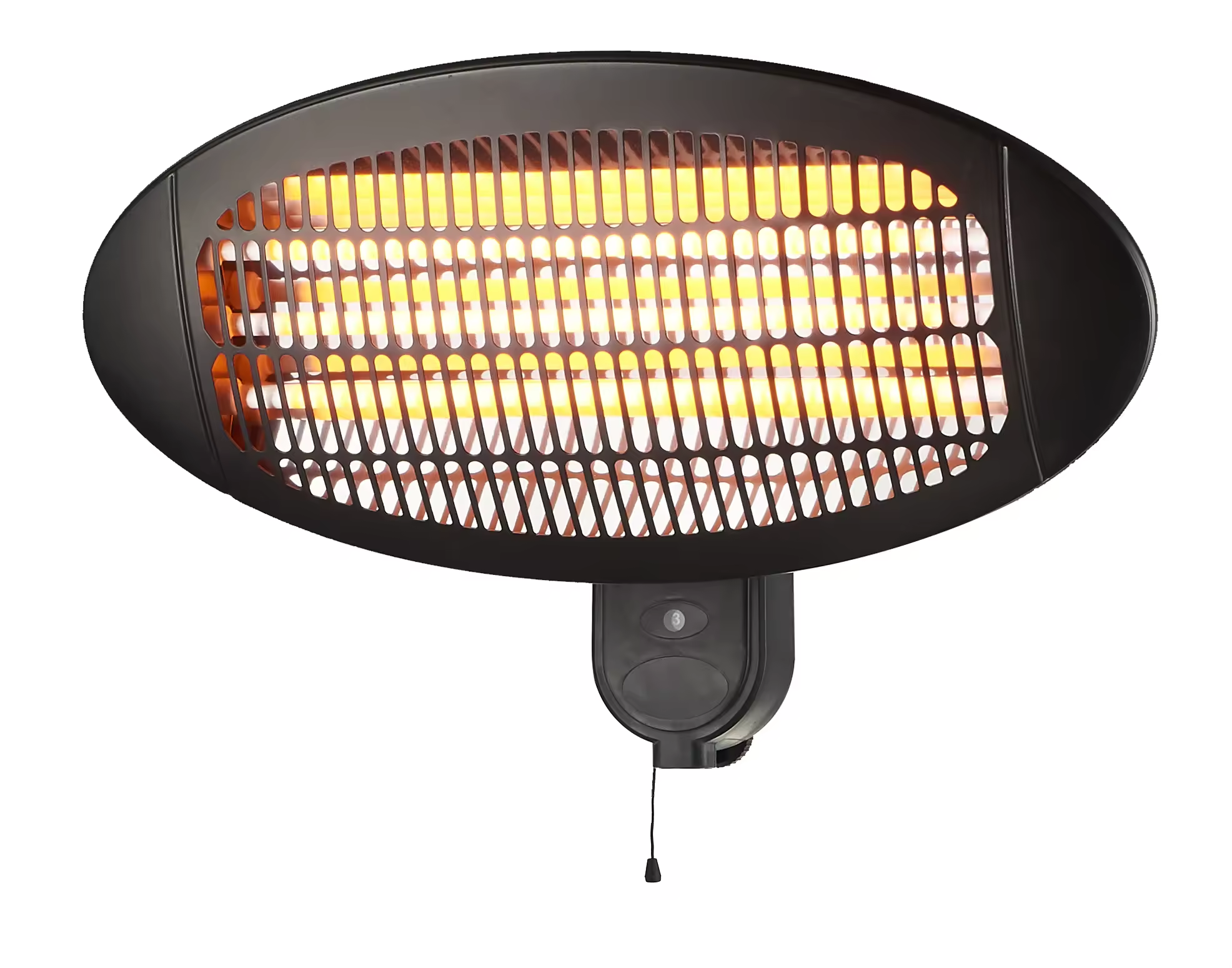
Why we put our IP55 heaters through the ringer in damp-heat chambers
If you’re putting an infrared heater in a bathroom, you’re basically asking it to survive a daily battle with steam and condensation. Now, an IP55 rating is a good start—it’s the baseline. But a rating on a spec sheet doesn’t tell the whole story. That’s why we take every batch of our bathroom lamps and throw them into damp-heat aging tests. We want to find exactly where the build fails here, in our lab, rather than having it fail at your customer’s site. The problem with “breathing” Here’s the thing about bathrooms: you aren’t just dealing with a random splash of water. You’re dealing with vapor. It’s sneaky. It finds its way through seals over time. Think about it. The heater cycles on and off. The air inside the housing heats up and expands, then cools and contracts. It’s like the heater is breathing. That process literally sucks moist air right past the gaskets. If the wiring or the heating element isn’t totally isolated, you get oxidation on the terminals. Not pretty. To stop that, we lock these units in high-humidity chambers for hundreds of hours. We’re looking for seals that shrink when they get hot or gaps that are just a bit too wide. Heat, cold, and the rust factor Infrared lamps get incredibly hot in one spot. When that intense heat hits a cold, damp room, you get rapid condensation on the quartz tube and the metal reflectors. If you use cheap coatings, this cycle eats them alive. We test to make sure the enclosure does more than just “keep water out.” We need to know that when moisture inevitably settles on the connectors or the PCB, nothing corrodes. The balancing act Now, there is a catch. You can’t just seal the box airtight to pass these tests. If you do, the electronics inside will basically cook themselves because there’s no airflow. It’s a trade-off. We spend a lot of time balancing the seal integrity with just enough venting to keep things cool. Just a heads-up: if you’re installing these in high-humidity zones, give them the clearance we recommend in the manual. It keeps the components from burning out early.