
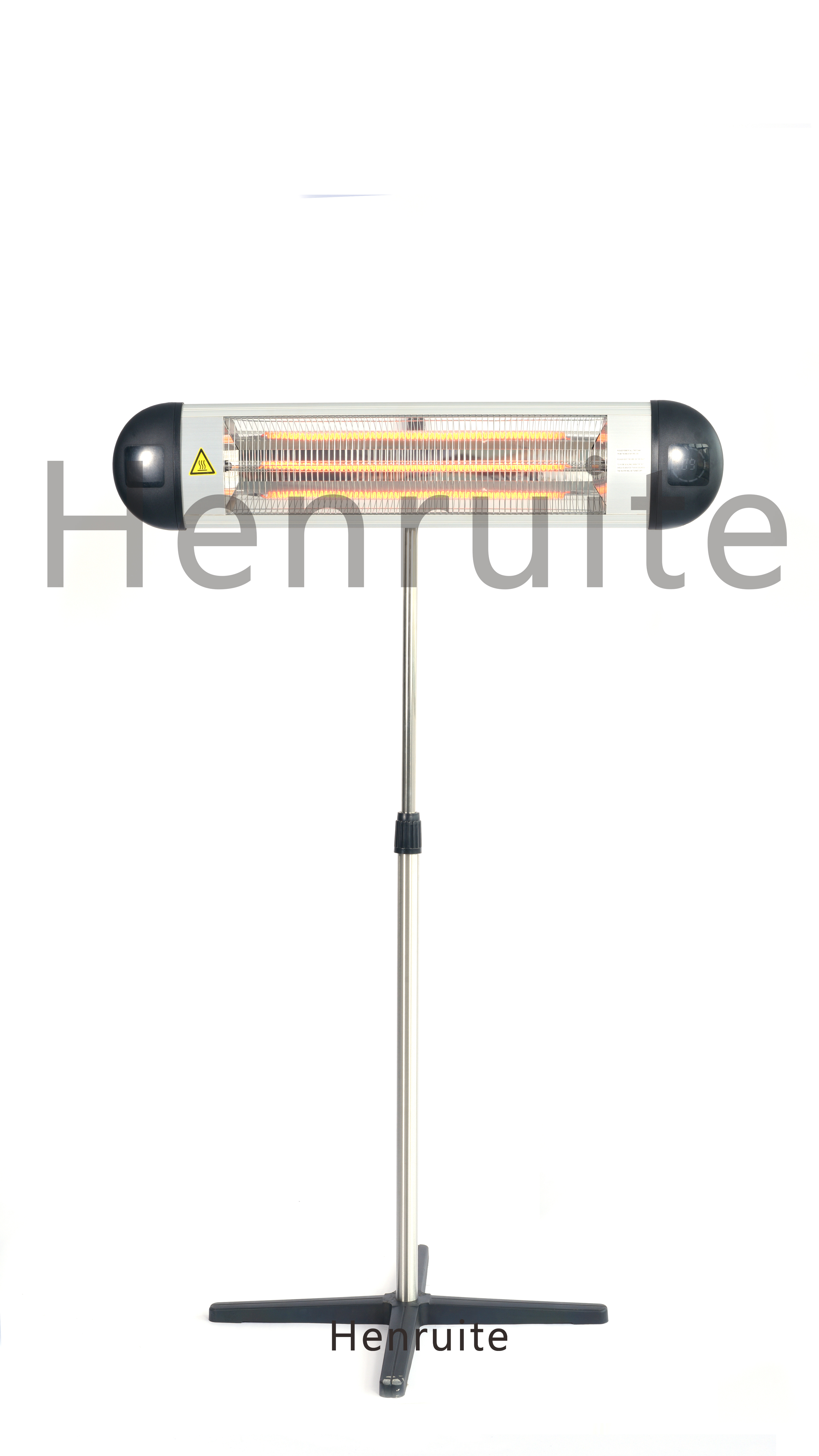
Don’t Let Your Ceiling Kill Your Vibe (and Your Budget)
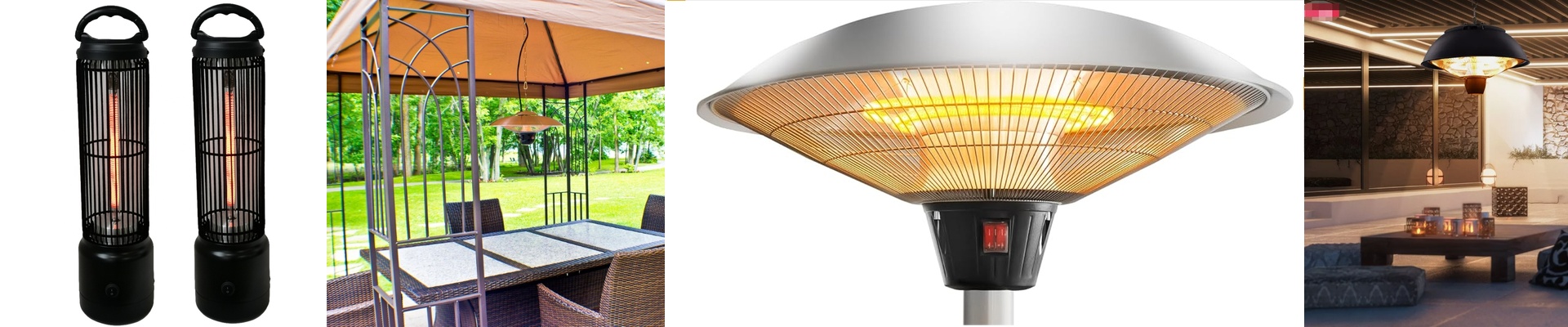
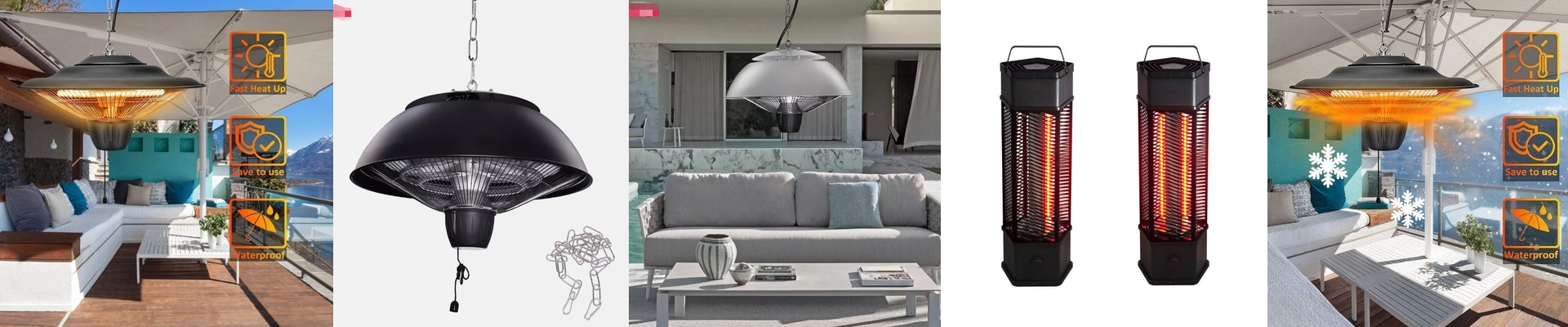
Putting infrared heaters in an outdoor dining area seems simple—just pick a wattage and bolt them up, right? Not exactly. If you get the distance between the heater and the ceiling wrong, you’re asking for trouble. I’ve seen it happen way too often. Some owners mount them too high and the heat just vanishes into the sky. Others mount them too low, creating these brutal “hot spots” that make guests want to move tables immediately.
The Danger Zone
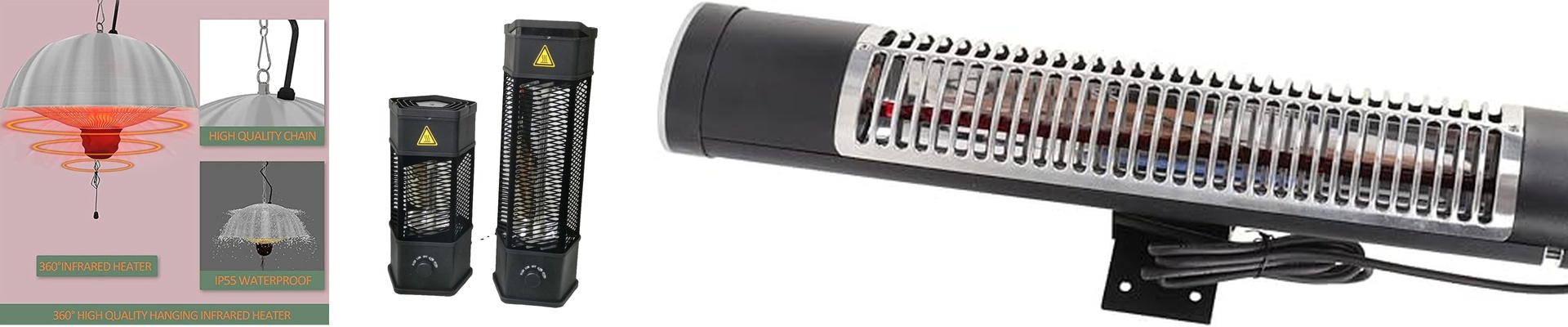
First off, let’s talk safety. Shortwave infrared heaters get incredibly hot. If you mount a high-power unit too close to a wooden pergola or a low ceiling, you aren’t just warming the room—you’re risking a fire or triggering the alarm. Give yourself some breathing room. Usually,0.5 to 1 meter of clearanceis the sweet spot, depending on how powerful the unit is. Then there’s the “heat pooling” problem. When a heater is too close to the ceiling, the warmth gets trapped up there. You end up paying a fortune in electricity to heat your roof while your customers are still shivering in their coats. It’s a total waste of money.
Keeping People in Their Seats
The way you mount your heaters directly affects your bank account. The goal is to hit that “comfort zone”—usually about2.1 to 2.5 meters above the floor. When you nail this, you create a cozy bubble of warmth that makes people want to stay. Think about it. When it’s freezing outside but the patio feels like a warm living room, guests linger. They order another round of drinks. They stay for dessert. But if it’s too cold, they leave early. And if it’s too hot because the heater is practically touching their heads? They’ll move. You want a steady, gentle warmth across the whole area.
The Balancing Act
Here’s the trade-off: the higher you mount the heater, the more area you cover, but the less “punch” the heat has when it reaches the ground. You can fix this by bumping up the wattage, but be careful. Your electrical panel can only handle so much. Don’t try to fix a bad mounting height by overloading your circuits. It’s much smarter to get the height right the first time than to blow a fuse in the middle of a Friday night rush.