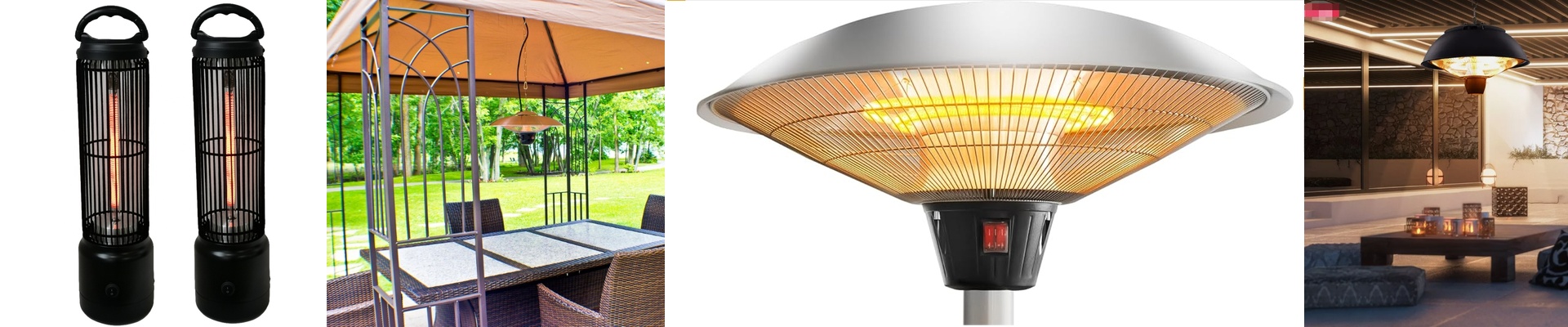
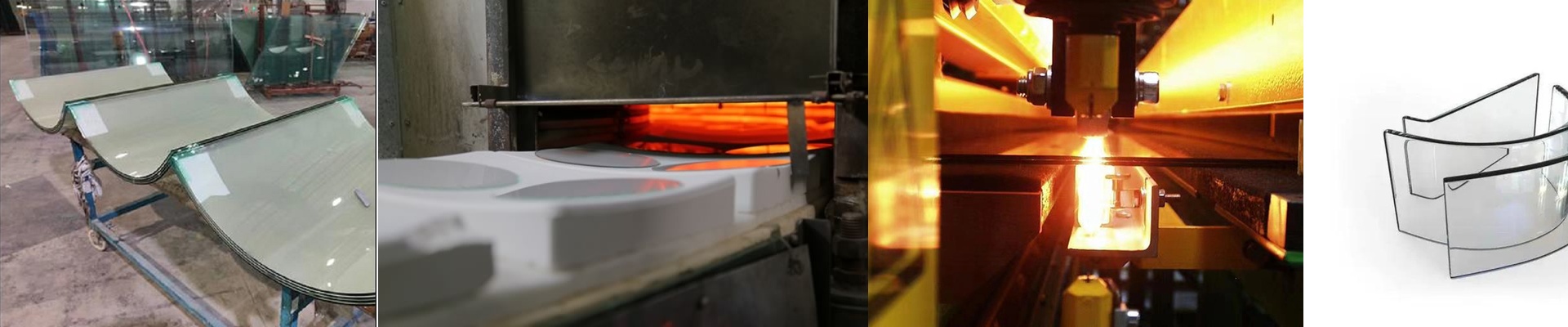
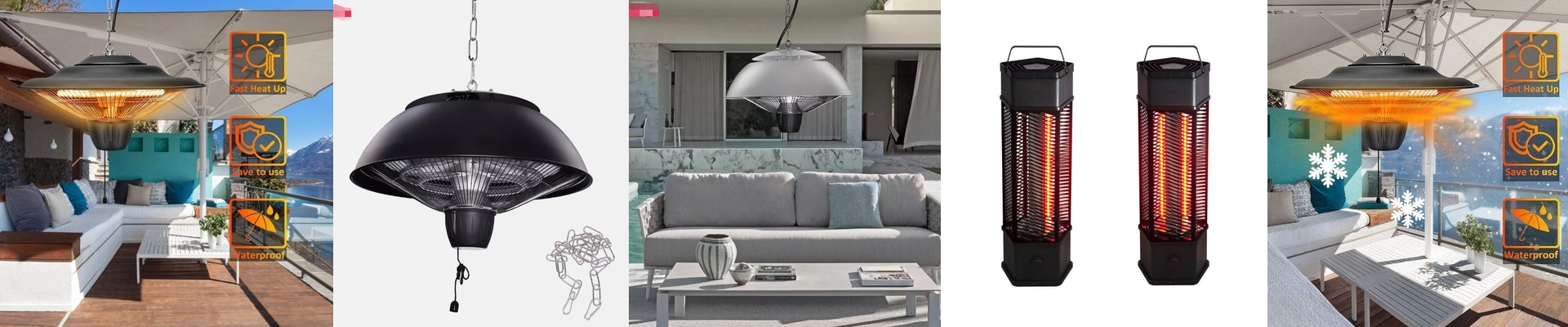
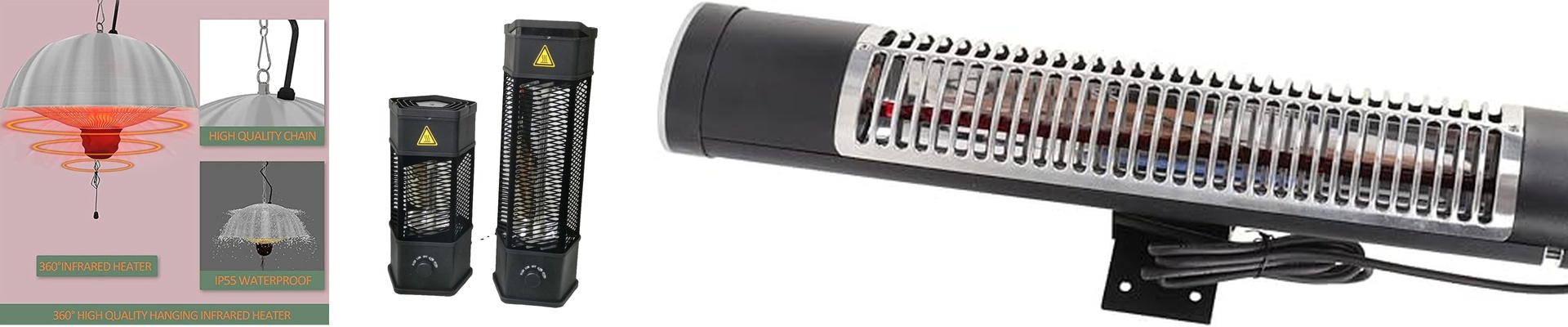
Making Bathroom Heaters That Actually Feel Good (And Won’t Blind You)
Most infrared lamps are basically heat cannons. They blast out a huge spectrum of light that can be way too harsh on your eyes. Now, think about a bathroom. You’ve got steam, mirrors, and often babies or toddlers running around. You can’t just crank up the wattage and hope for the best. The real challenge is getting that heat to hit the skin without blinding everyone in the room with a crazy glare. Keeping it easy on the eyes To make these heaters “eye-safe,” we have to tweak where the energy goes. Standard short-wave lamps throw off a lot of visible light and UV, which is a no-go for sensitive eyes. Instead, we use a specific mix of quartz and internal coatings to filter out those aggressive wavelengths. It turns that blinding light into a soft, warm glow. We’re basically leaning into the long-wave infrared spectrum. It’s a simple bit of physics: the energy still sinks into your skin to keep you warm, but the light stays dim enough that you aren’t squinting. Dealing with the damp Waterproof ratings are just the starting point. Bathrooms are brutal—high humidity, direct splashes, the works. To stop things from breaking, we seal the heating elements in high-purity quartz glass. This keeps the tungsten filament from oxidizing (which is a fancy way of saying it keeps it from burning out). We also beef up the seals where the wires connect, so moisture can’t sneak into the electrical housing and cause a mess. The trade-off Here’s the honest part: when you prioritize eye safety, you lose that “instant punch” you get from raw short-wave lamps. It takes a few extra seconds to feel the full heat. To fix that, we have to be obsessive about the reflector geometry. If the angle is off by even a few degrees, you’ll end up with annoying cold spots. That’s why we use a wider beam angle. It ensures the warmth spreads evenly across the floor, so you aren’t stepping from a hot spot into a freezing puddle.