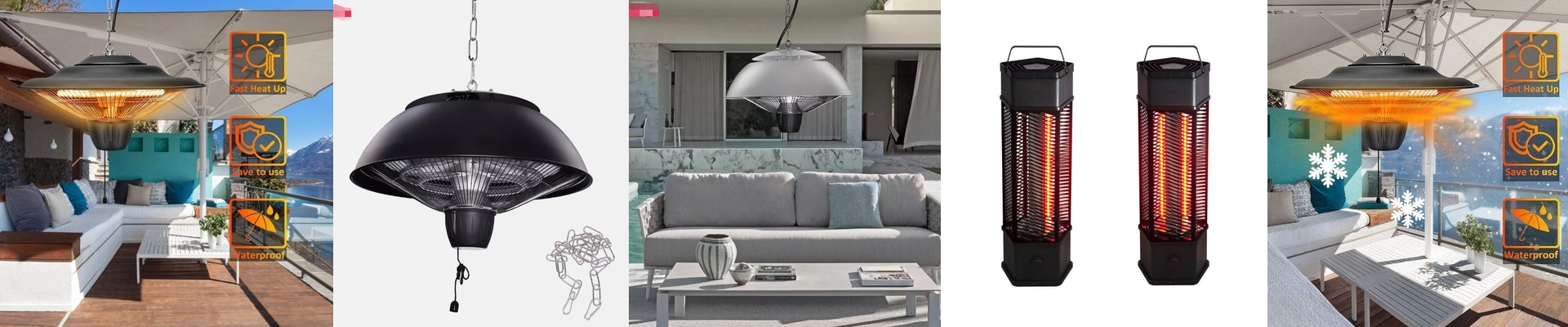
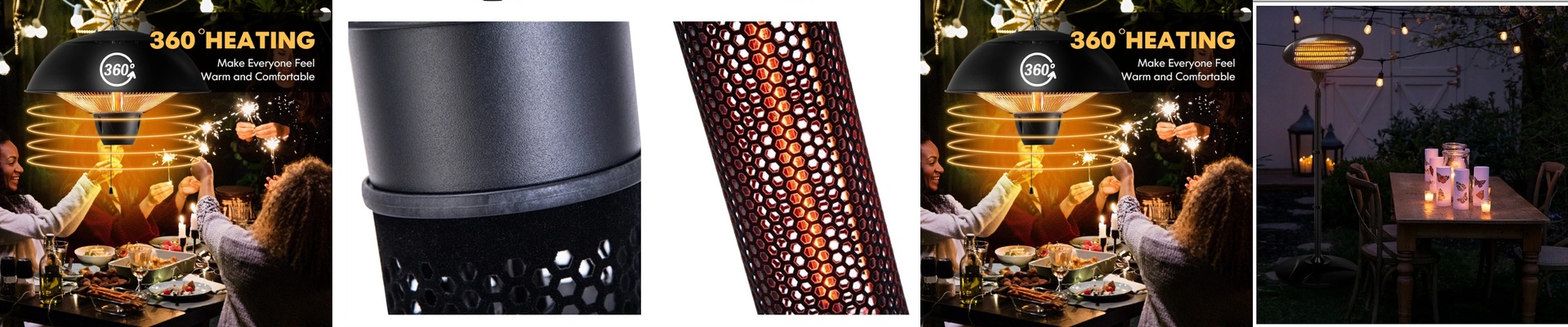
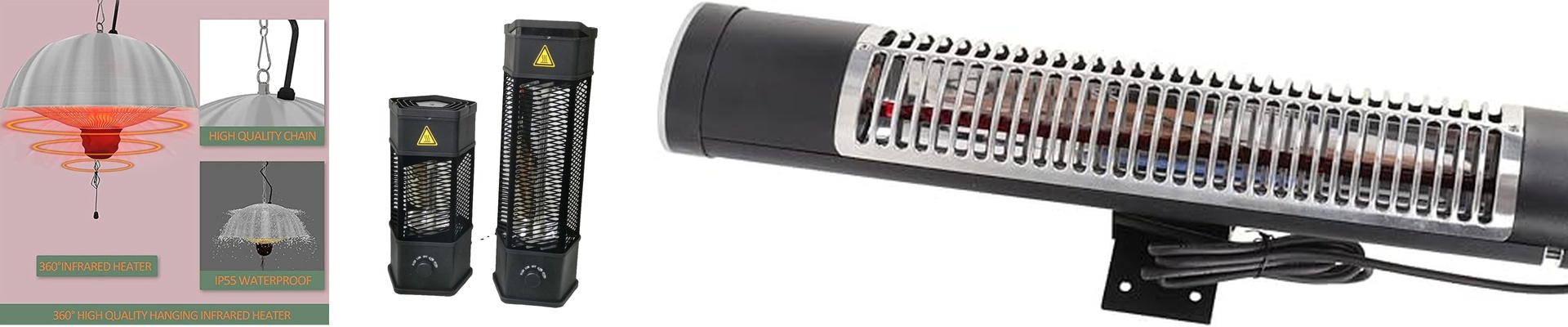
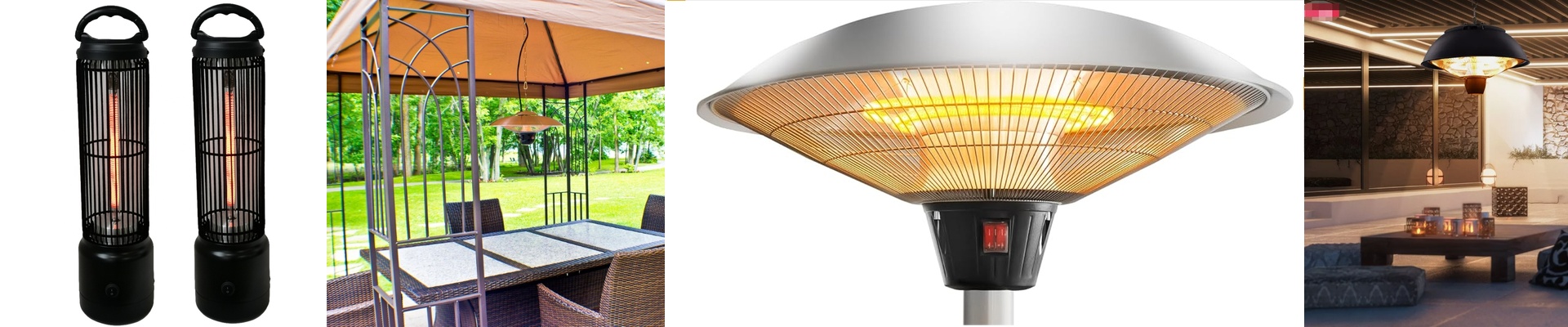
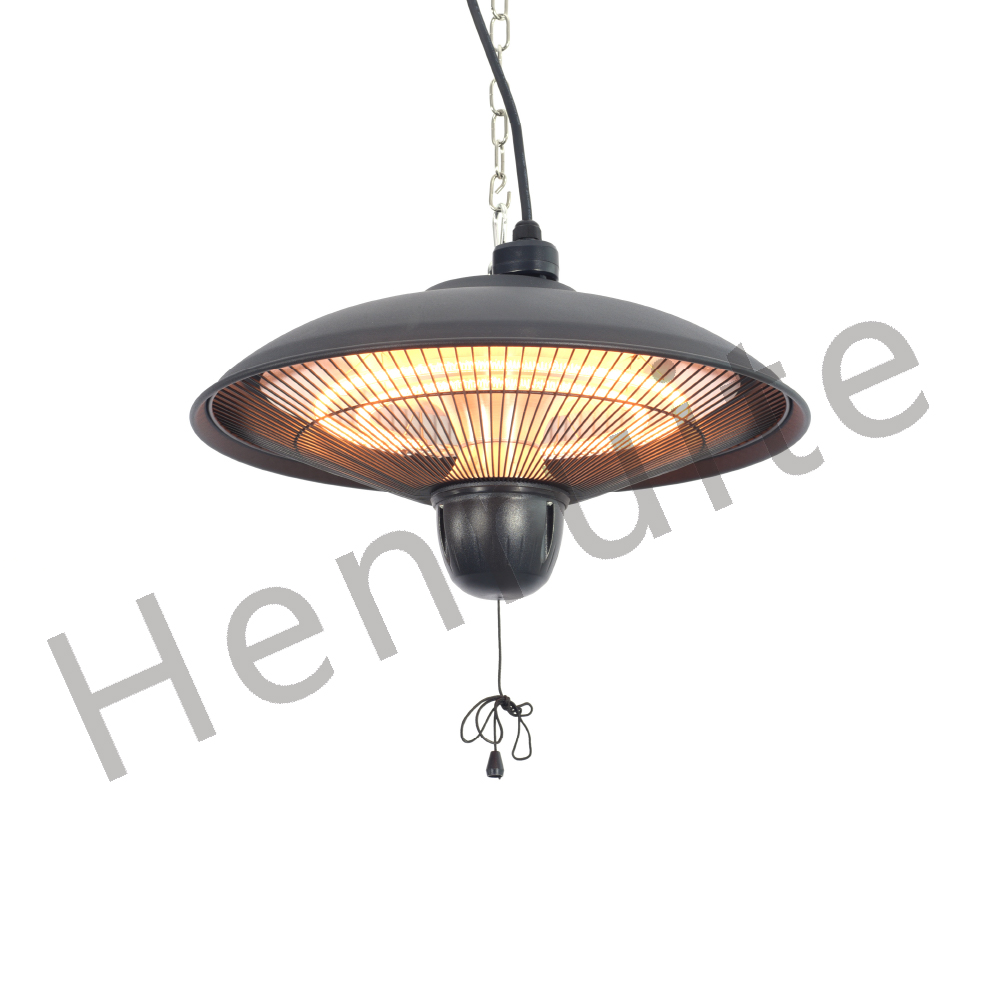
Why we built our outdoor heaters to be modular
If you’ve ever dealt with outdoor heating, you know the struggle. Rain, humidity, and salt air just love to eat away at electronics. We make sure our heaters are IP65-rated to keep the water out, but let’s be honest: heating elements eventually burn out. It just happens. The real headache isn’t the price of the heater. It’s that moment five years down the road when a tube pops and your patio is freezing, and you’re stuck wondering how to fix it.
The nightmare of “sealed” units
Most waterproof heaters are built like a vault. They’re sealed so tight that if one little piece breaks, you basically have to tear the whole thing apart just to get to it. It’s a massive waste of time and a total pain for whoever has to do the work. We decided to do things differently. Instead of wiring the heating element directly into the power grid, we went with a slide-in module.
How the swap actually works
Think of it like a cartridge. We separated the heavy-duty weather shield from the actual heating core. When a tube finally gives up, you don’t need to strip the unit bare. You just open the access panel, unplug the quick-connect terminals, and slide the old module out. It takes less than ten minutes. No soldering. No rewiring on a ladder in the wind. You just drop in a new standardized part and you’re back in business.
The honest trade-offs
Now, making something modular means adding seams, and seams are where leaks happen. To keep that IP65 waterproof rating, we use reinforced locking clips and compression gaskets. But here’s the catch: those gaskets aren’t immortal. You’ll want to check them every couple of years. If they dry out or crack, that’s when you’ll lose your seal. It’s a small price to pay for not having to replace the entire heater.
The logic behind it
We focused on one thing: how quickly can you get the heat back on? By treating the infrared tube as a part you replace—like a lightbulb—rather than a permanent fixture, the whole system lasts longer. You keep the expensive housing and the electronics, and you only swap out the quartz or halogen element when it’s time. Simple.