How to Actually Keep People Warm in Breezy Spots
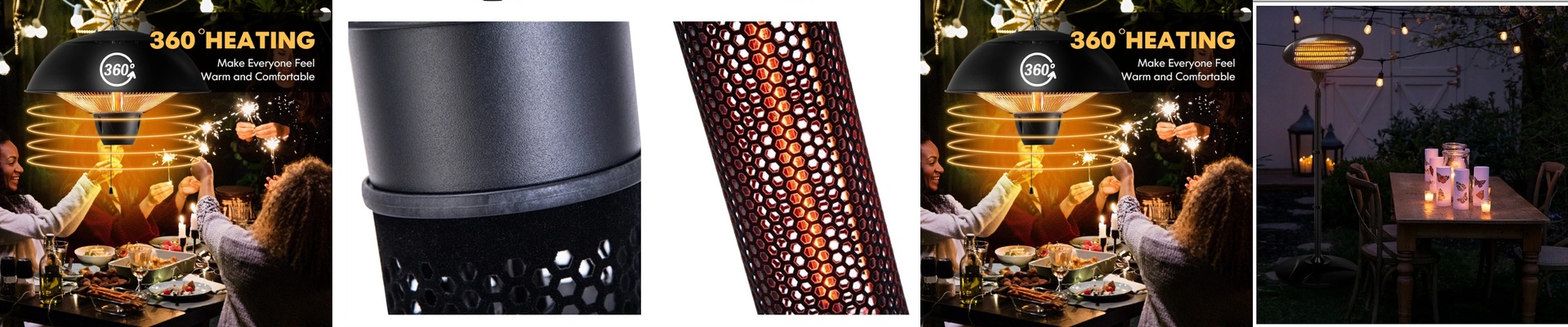
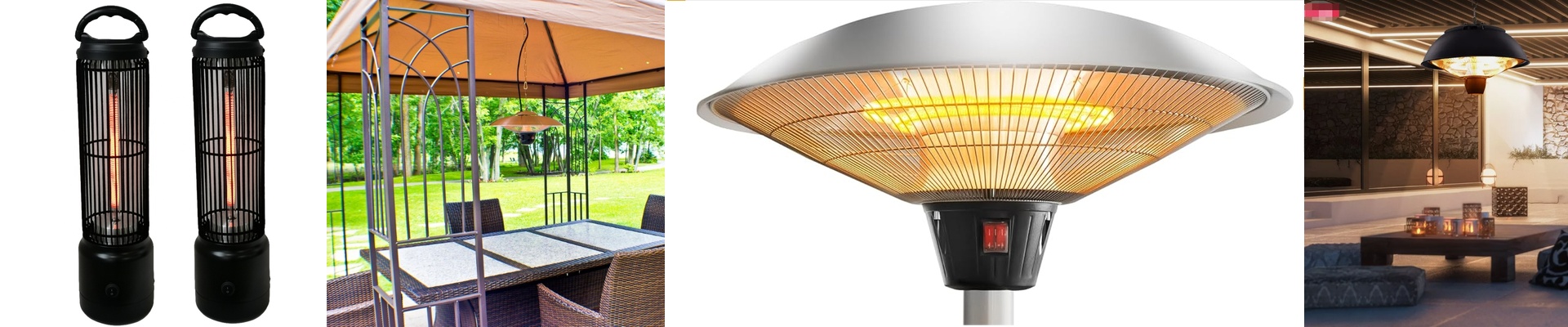
Trying to heat a nightclub patio or a changing area is usually a nightmare. You’ve got wind whipping through and moisture everywhere. If you use a standard heater that just warms the air, the breeze literally blows your money away before anyone even feels it. That’s why we go with shortwave infrared. Think of it like the sun. It doesn’t warm the air around you; it warms you. You can step into a freezing cold room and feel the heat hit your skin in seconds. No waiting around for the whole space to warm up. It just works.
The Secret to That “Instant” Heat
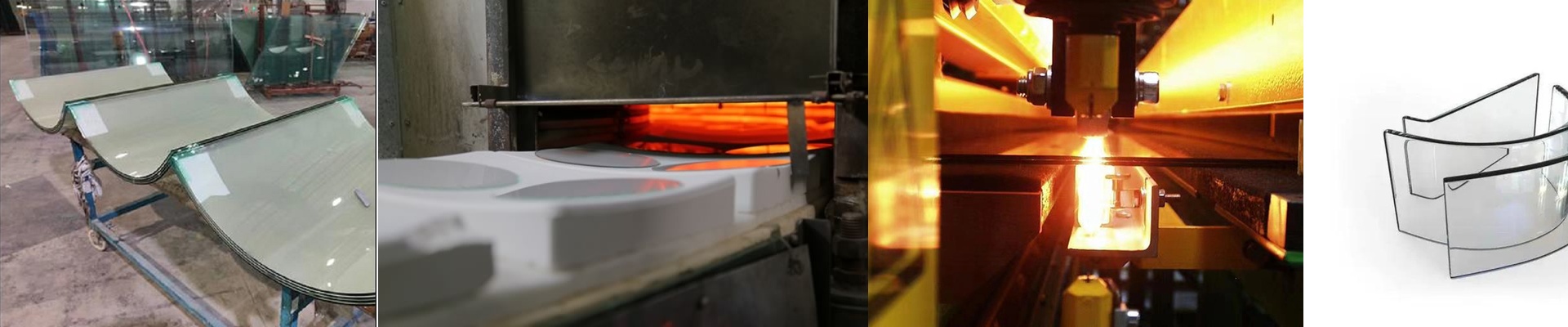
We pick units with high wattage because we want that “hit the switch and feel it” effect. By using shortwave lengths, the heat actually sinks in deeper. It means that even if there’s a nasty breeze blowing across your patio, your guests stay warm. We use quartz glass tubes for this because they can handle being turned on and off rapidly without cracking under the pressure.
Keeping the Water Out
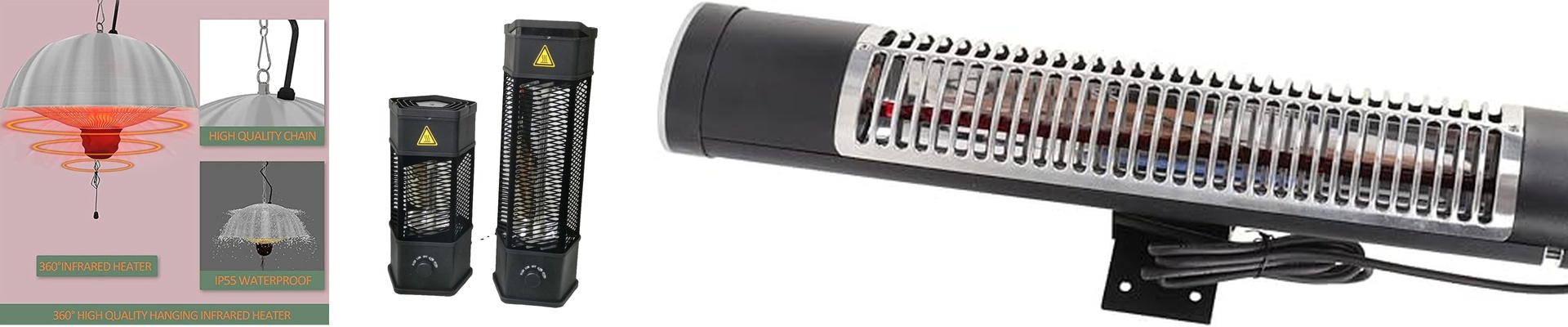
Waterproofing is about more than just putting a box around the heater. It’s all about the seals. We use IP-rated enclosures so moisture doesn’t sneak in and fry the electrical terminals. The elements themselves are usually tucked inside clear or gold-coated quartz to keep the heat output just right. And we don’t skimp on the gaskets where the wires enter the chassis—that’s usually where the leaks start. One heads-up: check your circuit breakers. These IR lamps pull a lot of power the second they kick in, so you need to make sure your electrical setup can handle the surge.
Getting the Setup Right
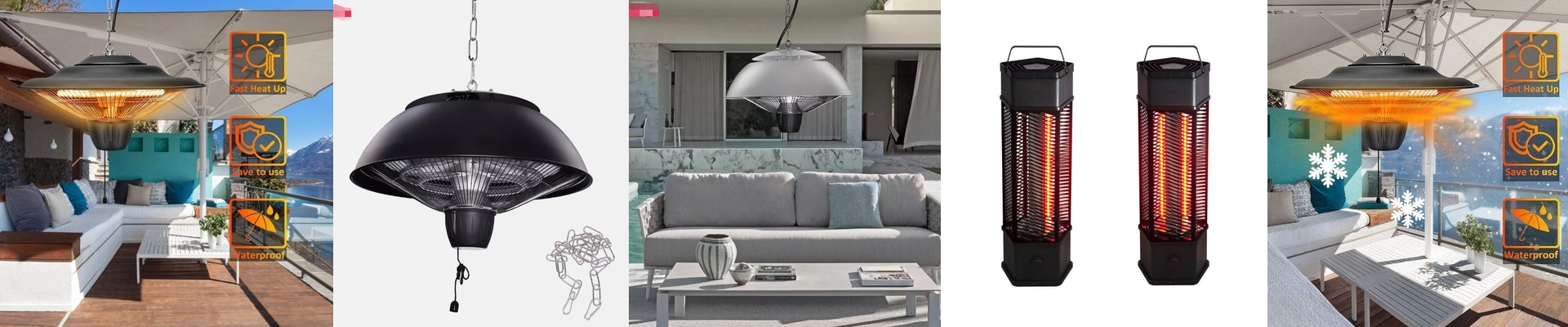
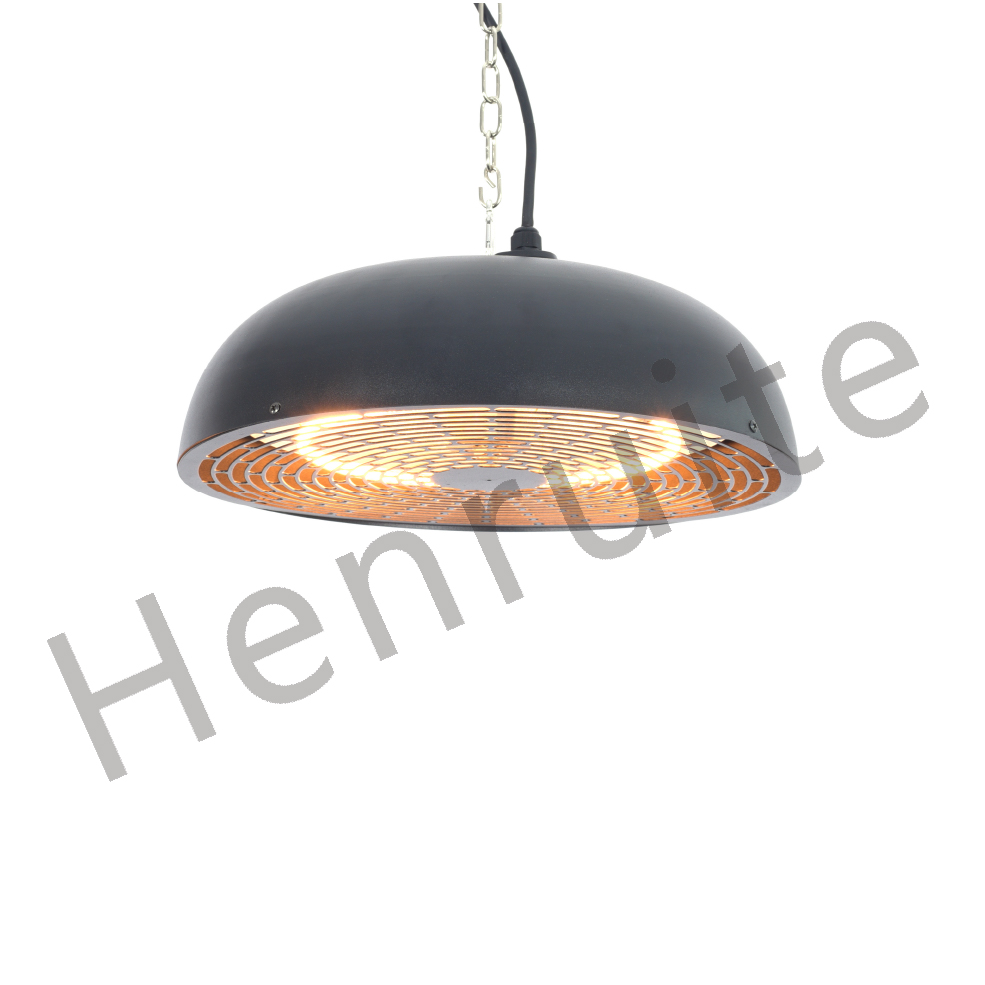
You can swap these into most spots where a standard electric heater would go, but the layout is different. Since the heat travels in a straight line, where you put them is everything. Our trick? Mount them overhead at a 45-degree angle. That gives you the best coverage. Just be careful with the height. Shortwave IR is intense. If you hang them too low, you’re going to scorch your materials or make your guests feel like they’re standing too close to a campfire. Find that sweet spot between the wattage and the mounting height to avoid any “hot spots.”