Stop Breaking Your Glass: A Real-World Look at Twin Tube IR
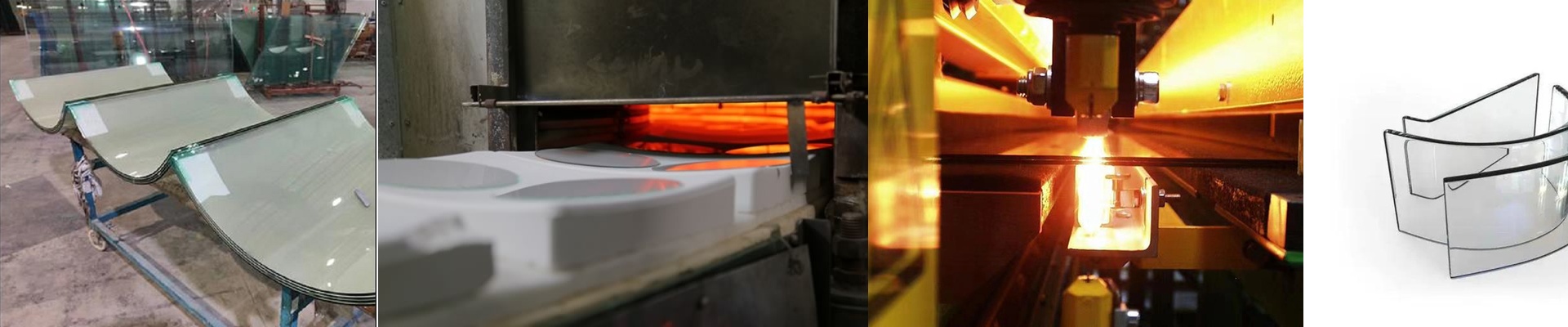
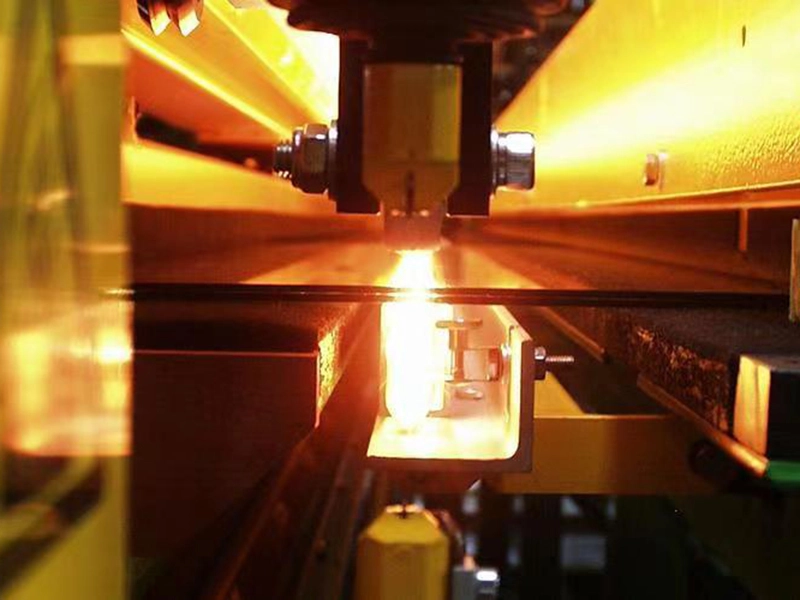
If you’ve ever worked with glassware, you know the nightmare of a stress fracture. One minute everything looks perfect, and the next—snap. Usually, it happens because the heat ramp was too slow or the temperature hit the glass in a patchy, uneven way. That’s why we use twin tube infrared heating. It gives you that massive hit of heat you need for tempering, but it’s nimble enough to dial back the second you hit your mark so you don’t shock the glass into pieces. The trick is in the power shift. Think of it this way: twin tube designs cram more radiating surface into a smaller space. Because there are two filaments, we can push way more wattage without needing a longer tube. It means you hit tempering temps in seconds, not minutes. But the real magic happens when you turn it off. Since short-wave IR sinks into the glass so fast, you can kill the power the instant you hit your target. No lingering heat soak. No cracked glass. What’s actually under the hood? We keep it simple: high-purity quartz and tungsten filaments. The twin-tube shape just spreads the heat more evenly than a single tube ever could. To make this work, you’ll want to wire them into high-speed SCR controllers. This lets you jump from 0% to 100% power in a blink. It’s fast. Really fast. And that’s what saves your product. A few warnings from the shop floor. Here is the part the brochures usually skip: these lamps pull a ton of power. If you’re packing 2kW+ tubes into a tight array, your electrical cabinets are going to get hot.**Really hot.**If you don’t spec your cooling right, you’re asking for trouble. And keep an eye on your reflectors. If they warp from the ambient heat, your heat distribution goes sideways. You’ll start seeing “cold spots” in your glass, and you’re right back to square one with fractures. Just keep the airflow moving. Your lamps—and your sanity—will thank you.