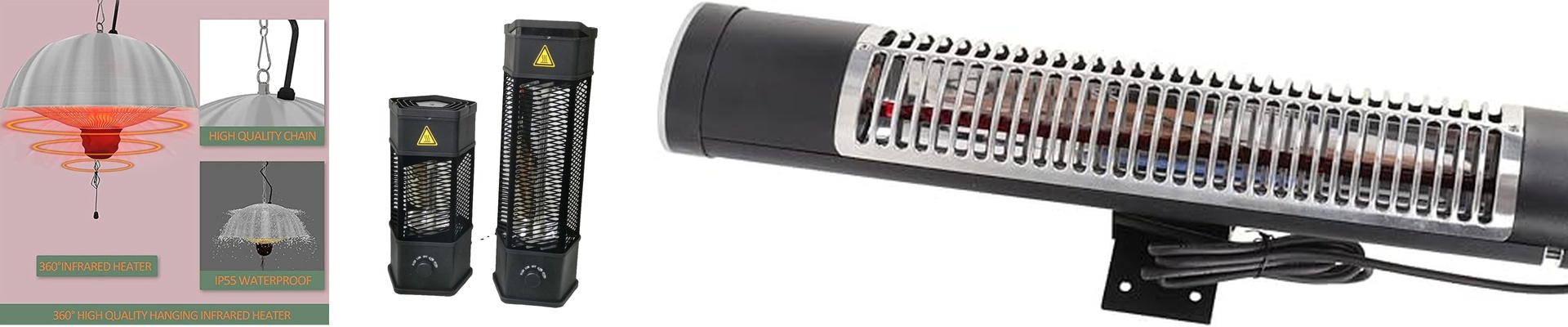
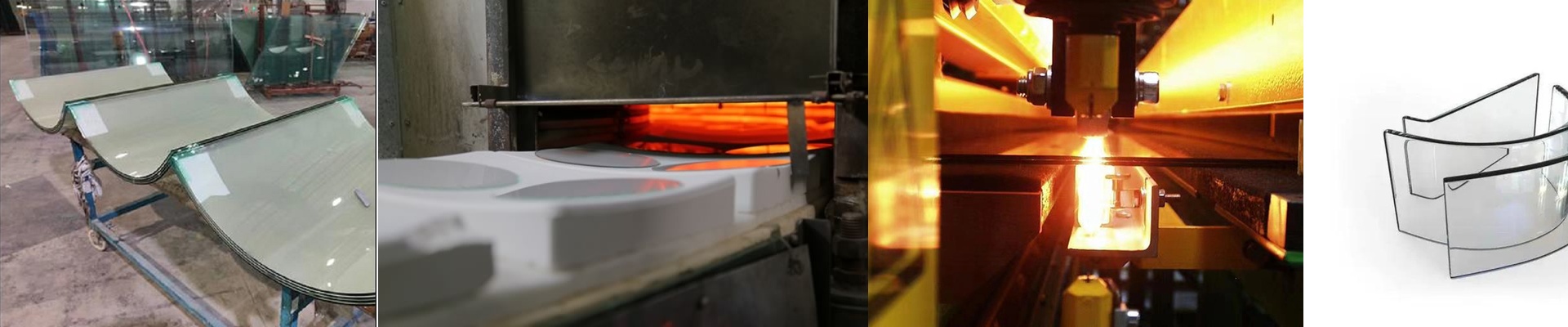
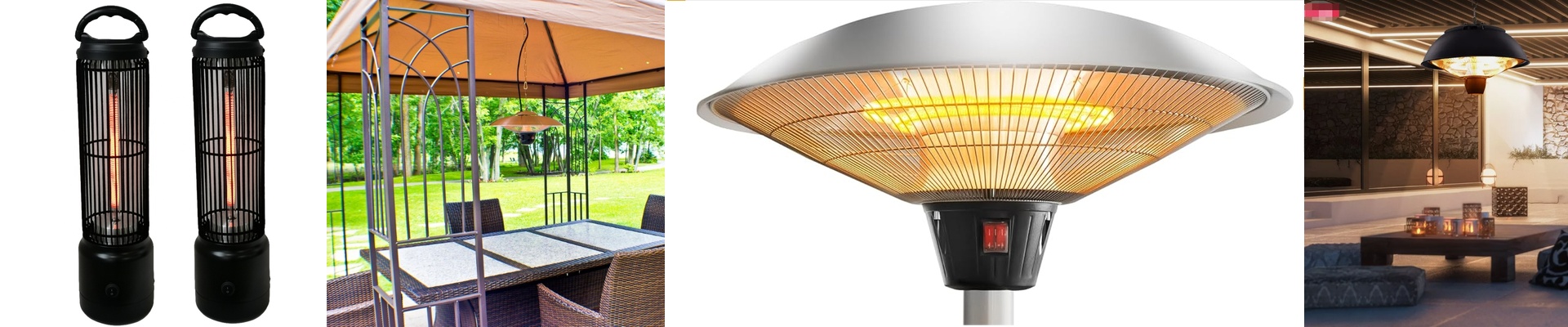


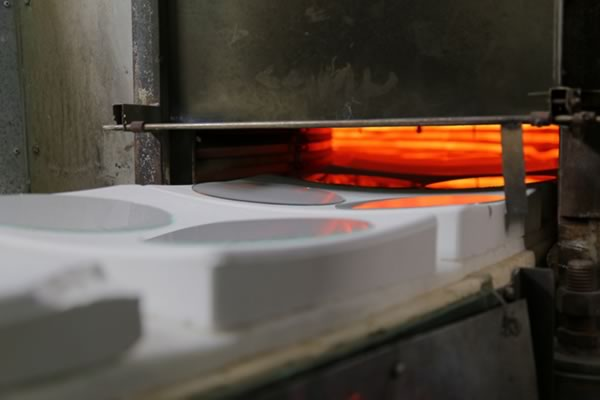
On the line, uneven heating shows up fast—edge waves during bending, optical distortion in coatings, and thermal stress fractures that slip through inspection. Convection ovens and aging radiant panels try to hold the thermal field steady, but you still get slow ramp-up, high energy draw, and stress that’s never quite the same from batch to batch. We built the modular infrared heating array to knock that variability out at the source. What matters, technically The array runs on near-infrared emitters in a modular layout, putting heat where you need it, fast, with minimal convection. Each module can be tuned independently, so power density tracks the glass contour instead of averaging across the belt. Response is near-instant, which gives you tight control of the heating curve for annealing, tempering, and bending. In practice, that means less time at temperature, lower kWh per batch, and a thermal profile that repeats shift after shift. The modular frame is built for quick swap-outs, and the control interface plugs into your existing line logic without a fuss. Why it holds up in real work In tempering, uniform heating is the difference between consistent compression and edge failure. The array’s targeted output cuts hot and cold bands, so quenching behaves predictably and breakage drops. For hot bending, you get the fast, localized heat needed to hit tight radii without cooking the center—shape accuracy improves, and cycle time does too. On insulating glass sealing, it brings the edges up to sealing temperature quickly, limiting heat bleed into the interior and keeping desiccant performance intact. Stress relief and controlled annealing come out ahead as well, because the thermal gradient is managed more precisely—fewer residual stresses, fewer callbacks in the field. What you need to know up front Installation is straightforward on most lines, but alignment is non-negotiable. Emitters have to be positioned to match the glass path, and array spacing should be set for the smallest common part so you don’t over-focus the heat. Keep reflectors and quartz components on a routine cleaning schedule; in dusty environments, plan for weekly inspections. You’ll see faster warm-up and lower peak demand, but plan for updated safety interlocks and operator training on the new thermal profile.