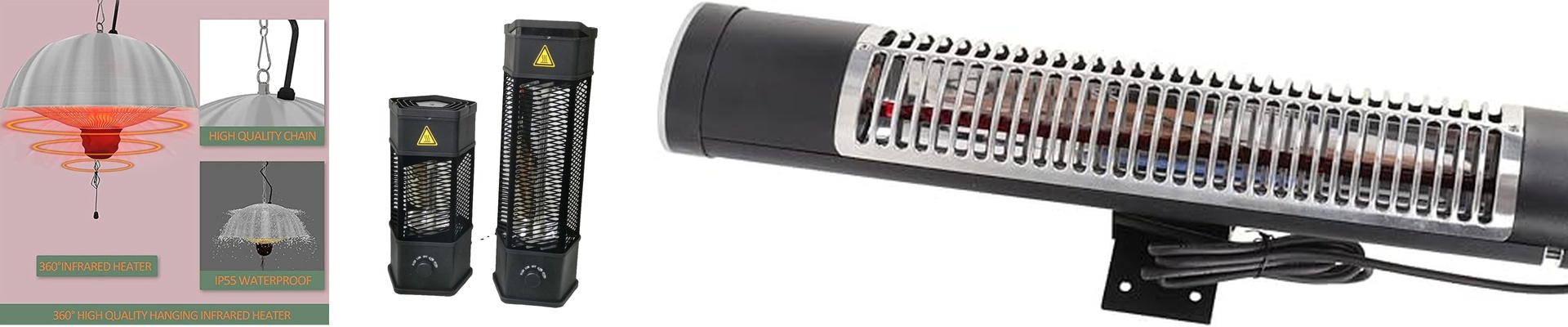
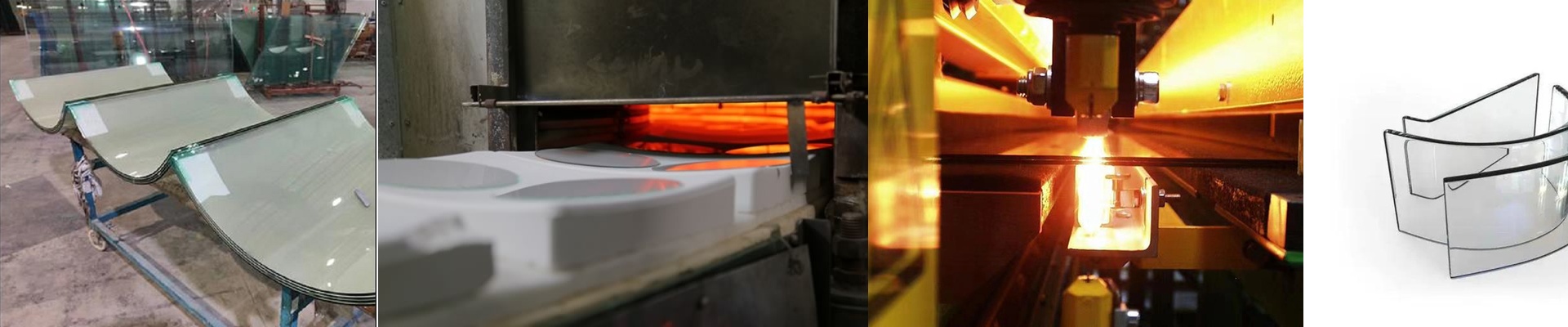
On the line, the glass is waiting for heat—no room for cold spots, thermal stress, or a sluggish ramp. One inconsistent zone in bending or lamination can kill a pane, stall the oven, and eat cycle time. We built our infrared heating lamps for glass to put repeatable, process-matched heat right where it counts: in the glass itself, not the air around it. Our lamps run short-wave infrared (NIR) through high-purity quartz envelopes, with reflector geometry that focuses the energy into a controlled thermal footprint. You can size power density and lay out zones to match the thickness and emissivity you’re running—tempering, bending, coating drying, EVA/SGP/PVB lamination, and insulating glass sealing. The response is fast, so you get rapid heating and just as rapid cool-down. Oven profiles stay tight, and throughput stays up. In practical terms, that means fewer rework panes from uneven curvature, fewer optical defects after coating, and adhesion that holds steady in laminated safety glass. Here is why it works on the floor: the heat lands directly on the glass surface, so soak time drops and you cut convection losses. That shaves kWh per part, shortens changeovers, and keeps the furnace belt moving on schedule. In tempering and bending, a uniform thermal field helps keep thermal stress in check, so bow and warp stay within tolerance. In lamination and IG sealing, the lamps hit target temperature quickly, then hold it without overshoot—keeping polymer flow and edge seal quality consistent. Installation is straightforward on most oven retrofits, but alignment and clearance are not optional. Keep lamp-to-glass distance inside the recommended window, or you’ll lose intensity uniformity. Treat the quartz with respect—wipe-down only after the lamp cools, and don’t touch the heated surface. Keep spare reflectors and lamps at the line; even solid materials take a beating under industrial heat cycles. Run the lamps within rated voltage, and you’ll get long life with output that stays predictable.