
Keeping Your Infrared Heaters Safe in Wet Zones
Let’s be real: putting infrared heating lamps in a bathroom or any high-humidity spot is a bit of a gamble if you don’t do it right. Water vapor and electricity are a terrible mix. If your housing isn’t built for the damp, you’re basically asking for a short circuit or a ground fault. To keep things safe, we stick to the IP44 standard.
Dealing with Steam and Seals
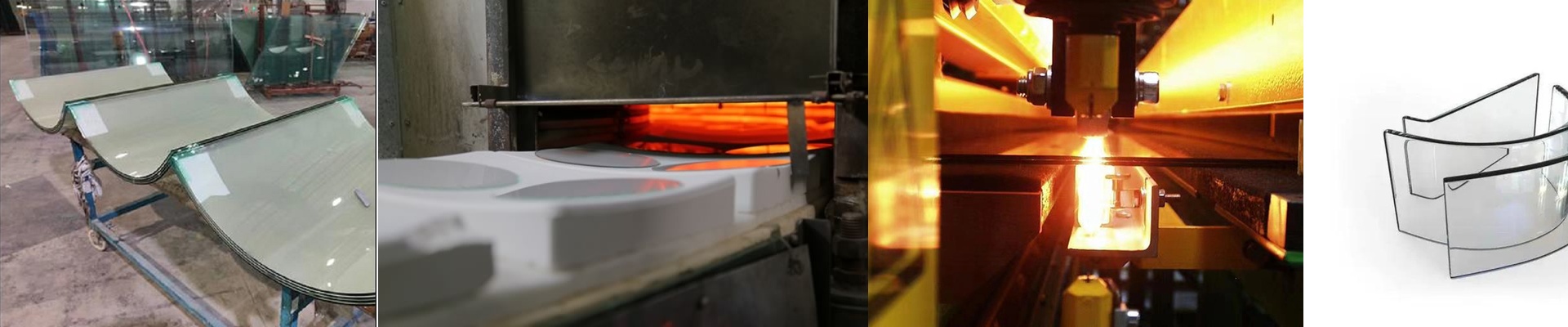
When we talk about IP44, it basically means the unit can handle splashes from any direction and keep out any solid bits larger than 1mm. But here’s the tricky part: infrared lamps get hot. Really hot. That quartz glass expands and contracts, which can put a lot of stress on the seals. To fix this, we use high-temperature silicone gaskets. They act as a flexible bridge between the lamp head and the chassis, stopping steam from sneaking into the wiring terminals where it doesn’t belong.
Getting the Insulation Right
We can’t have any leakage current. To stop that, we use ceramic insulators to keep the heating element separate from the grounded chassis. These ceramics are great because they don’t lose their insulating powers even when the air is thick with humidity. Plus, we use double-insulated cabling just to be safe. One thing you absolutely cannot skip:bond your grounding wire directly to the metal frame. Why? Because if a seal ever fails and water hits a live filament, you want the breaker to trip instantly. You don’t want the entire outer casing of the heater becoming live. That’s a nightmare scenario.
The Trade-offs (And How to Handle Them)
There is a catch. Adding that IP44 protection means you’re putting a physical barrier between the heat and the air. This can trap heat inside the fixture. If you pack the housing too tight, the internal temperature climbs. Eventually, that can melt your wiring insulation or degrade the cable jackets. You’ve got to leave enough air volume inside the box so it can breathe. When it comes to the actual wiring, skip the standard twist-caps. They aren’t enough. Use moisture-resistant connectors and wrap every junction in adhesive-lined heat-shrink tubing. It creates a permanent, airtight seal that actually lasts.