Let’s Talk About Precision Annealing Lamps
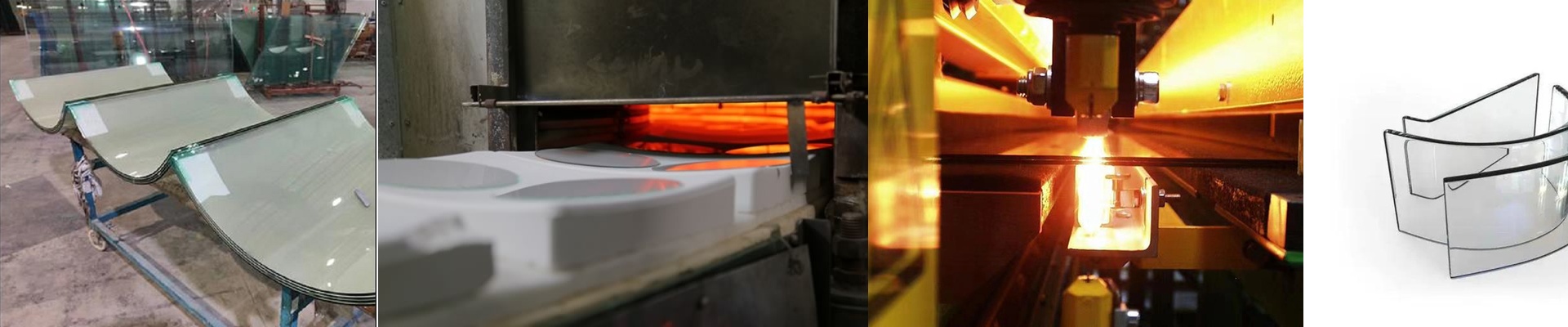
Look, precision annealing is more than just cranking up the heat until a piece of glass gets hot. If you do that, you’re asking for trouble. It’s really about how you manage the temperature shift so you don’t end up with internal stress that ruins the piece. That’s why we stick with short-wave infrared lamps. They dive into the glass surface way faster than convection ever could. It gives you a controlled soak and a smooth cool-down, which is exactly what you want.
Picking the Right Gear
When we talk about voltage and wattage, we aren’t just ticking boxes in a catalog. Imagine stuffing a 2500W tube into a tiny footprint. That creates an incredible amount of heat density. If you just plug that in without making sure your power supply can actually handle the load, you’re going to burn through your lamps way too fast. We spend a lot of time obsessing over the length and diameter of the quartz envelope. Why? Because if the heat isn’t spread evenly across the glass, you get “cold spots.” And cold spots are where the cracks happen.
The Nitty-Gritty: Materials and Connections
We use halogen-filled quartz. It’s simple: the halogen cycle stops the tungsten filament from evaporating and sticking to the walls. This keeps your light output steady for thousands of hours instead of dipping off after a few weeks. Then there are the connectors—usually R7s or Sk15. These aren’t just random industry standards. We use them because they can handle the way wires expand and contract when things get scorching. A loose connection is a nightmare. It creates an arc, and an arc will melt your housing right off the frame.
Why We Need to See Your Floor
Here is the thing: you can’t solve a thermal problem by staring at a PDF. Every factory is different. You’ve got weird drafts, machine vibrations, and layout quirks that a datasheet just doesn’t show. We prefer to come on-site and actually see how your setup handles the heat soak. A lamp might be rated for the perfect temperature on paper, but if your reflector is warped or your airflow is acting up, that glass still isn’t going to anneal right. We’d rather find those bottlenecks in person and just move the lamps around until the thermal profile is spot on.