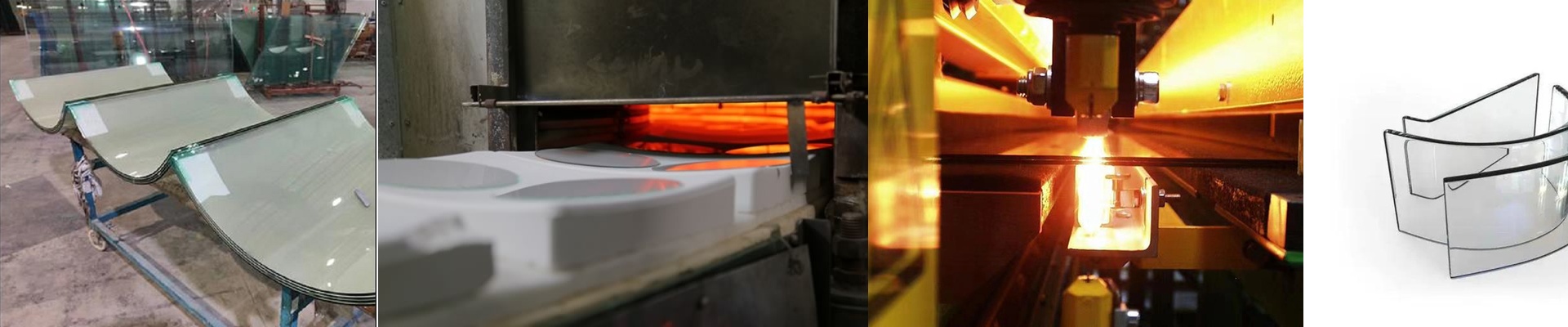
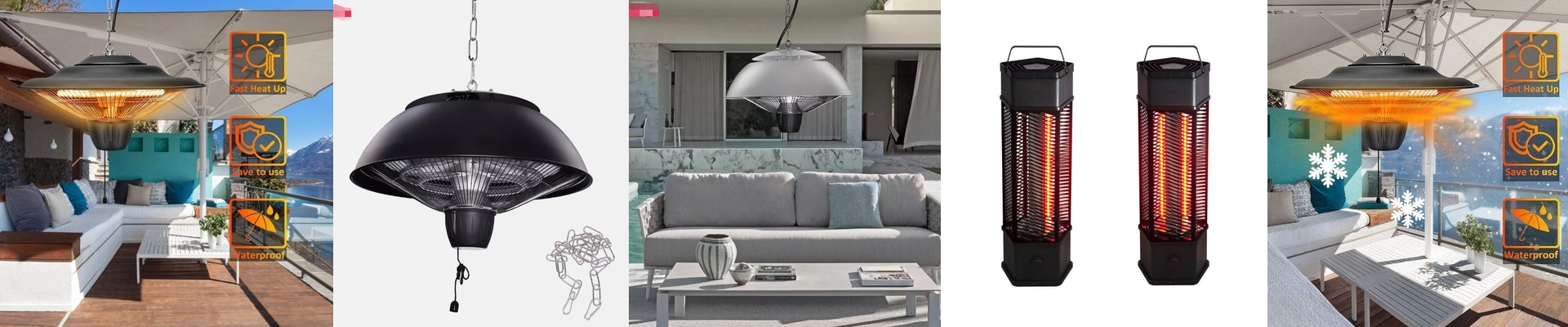
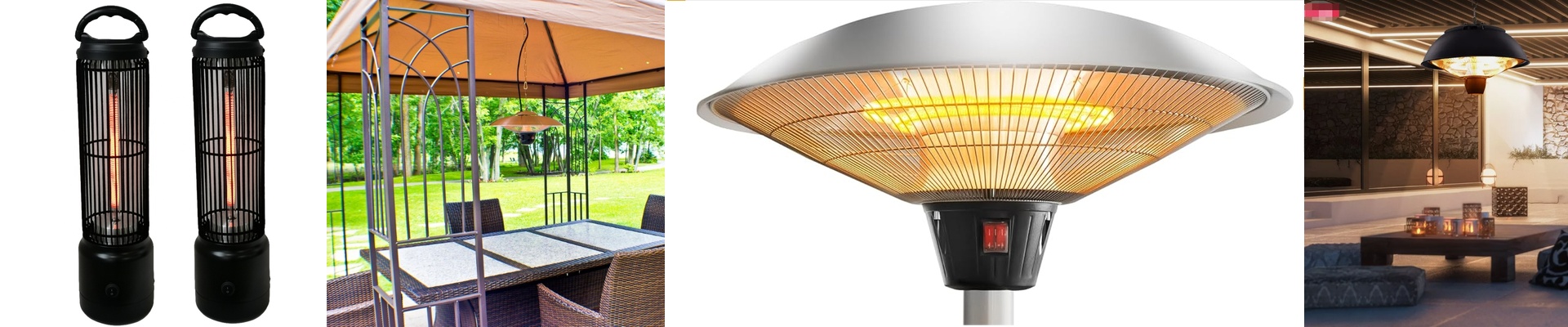
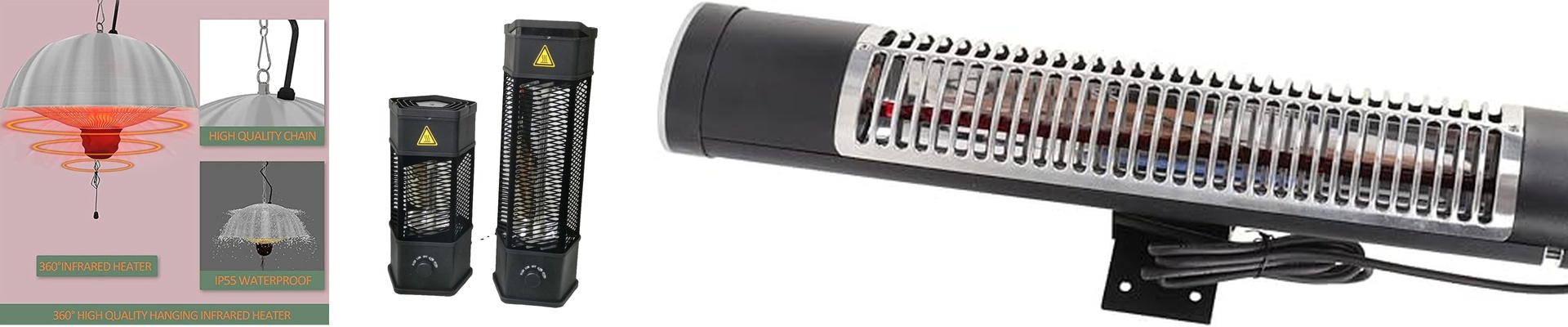
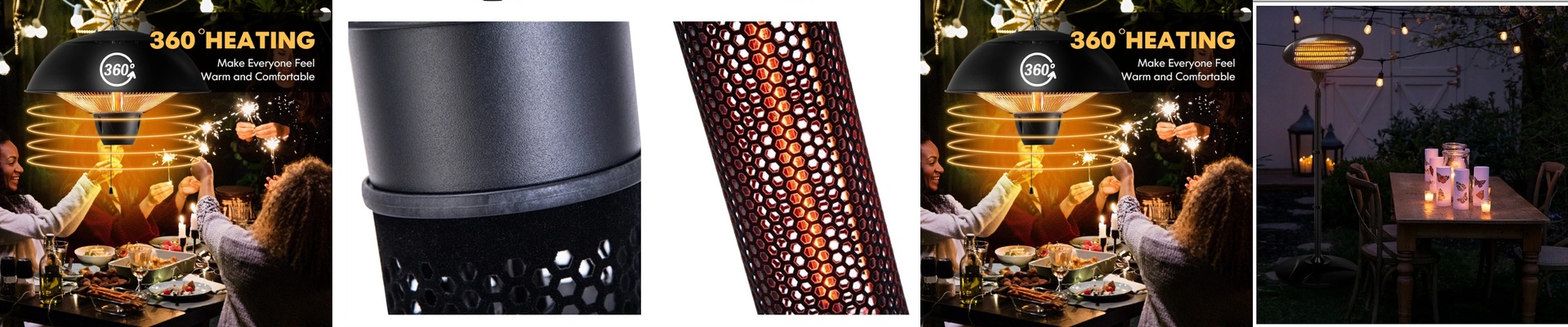
The furnace door opens and the clock starts. If the heating section doesn’t get up to temperature fast, the whole batch slides backward. Tempering, bending, EVA/SGP/PVB lamination, coating drying, insulating glass sealing—every one of them lives and dies on heat timing. One lagging zone is all it takes to push scrap, reheats, and overtime through the plant. We built the 3000W infrared heating bulb to hit target temperature quickly, hold it steady, and do it with less electricity per square meter of glass processed. It’s meant for industrial glass work, where cycle time, thermal uniformity, and operating cost get measured every shift.
What matters, technically
The 3000W infrared heating bulb is a short-wave infrared (NIR) emitter, built around a quartz envelope and a high-stability filament. Quartz transmits infrared energy cleanly and responds fast, so the bulb reaches operating temperature in seconds, not minutes. That speed shortens furnace heat-up and keeps the thermal profile repeatable shift after shift.
- Power: 3000W. Chosen for industrial zones that need rapid recovery and stable temperature under load—not for bench-top jobs.
- Spectrum: Short-wave infrared. Glass and many coatings absorb this energy strongly, so less heat gets wasted into the air and fixtures.
- Response: Fast thermal response. Heats on command, cools quickly when the zone is off—supports tight process windows and cuts idle losses.
- Efficiency: High electrical-to-radiant conversion. More of the input power becomes radiant heat that actually reaches the glass, lowering kWh per cycle.
- Construction: Quartz envelope and an industrial-grade filament are built to survive repeated thermal cycling. In a glass plant, that means fewer changeouts and less downtime. The numbers matter because they show up as uptime and yield. Fast response shrinks the time from “start” to “stable profile,” which tightens pitch and lifts throughput. High radiant efficiency reduces the heat load on the machine structure, so the furnace isn’t fighting to hold temperature.
Why this works on the line
Glass processing is a chain of thermal steps, and each step has a thin margin for error. In tempering, the heating section has to deliver uniform heat across the glass surface to manage thermal stress. If the zone recovers slowly after door open/close events, temperature drifts—and the quench loses repeatability. The 3000W infrared bulb comes back to setpoint fast, so the quench stays consistent. The payoff: less optical distortion and fewer breaks from uneven tempering. In bending, the glass has to hit a precise viscosity window without overheating the edges. Overheating wastes energy and can create roll-in defects. Underheating forces rework. Short-wave infrared heats the surface efficiently, and the fast response gives tighter control over the bending cycle—scrap drops, and geometry holds. In lamination—EVA, SGP, and PVB—the adhesive has to reach the right flow and degas state without scorching. The heating profile needs to be repeatable across different layers and glass thicknesses. The bulb’s rapid response and stable radiant output help you hold the required lamination temperature window, so bonding stays consistent, voids drop, and rework stays low. For coating drying and curing, the heat has to drive off solvents and set the film without boiling it. Infrared heats the coating directly, cutting reliance on hot air. That lowers total energy draw and reduces convective turbulence that can cause unevenness. In insulating glass sealing, the primary and secondary seals need controlled heat to hit the correct adhesive flow and cure. The bulb’s ability to reach temperature fast and hold it steady shortens dwell and trims energy per frame, while keeping edge seal integrity. Energy use is the other half of the story. In high-power heating zones, standby loss is often the biggest cost—keeping the furnace hot between cycles. The 3000W infrared bulb heats on demand and cools quickly when idle, so you spend less energy holding temperature and more energy processing glass. In practice, that shows up as lower kWh per square meter, fewer peak kW demands, and a steadier energy draw across the line.
What you need to know
The 3000W infrared heating bulb drops into many industrial heating fixtures, but it isn’t plug-and-play on every machine without checking the details.
- Electrical compatibility: Match voltage and connector type to your fixture. The 3000W rating assumes the rated supply—undervoltage drops output, and overvoltage shortens life.
- Fixture fit: Confirm envelope size and mounting geometry. Quartz is tough, but it still needs proper support and clearance so it doesn’t contact fixtures or shields.
- Control strategy: Infrared emitters do best with PID control tuned for fast response. If your machine relies on slow-reacting sensors, you may need to adjust the loop to avoid overshoot and oscillation.
- Environment: Keep the bulb out of heavy dust, oil mist, and direct solvent exposure. Contamination on the quartz surface cuts radiant output and can create hot spots.
- Thermal management: These bulbs run hot. Maintain airflow and keep reflectors in good shape. Reflectors degrade over time, and poor reflectivity hurts both efficiency and uniformity. One practical trade-off: infrared heats fast, which means the bulb surface temperature is high. Treat the fixture as a high-temperature zone and follow lockout/tagout procedures for lamp replacement. The payback is fewer lamp changes over time and less downtime overall, but safety has to be enforced. If your plant is chasing lower energy cost per square meter without slowing the line, the 3000W infrared heating bulb is a straightforward way to shorten heat-up, stabilize the profile, and cut kWh per cycle—while keeping the furnace ready for the next batch.