Getting Glass Annealing Right: Why Speed Matters
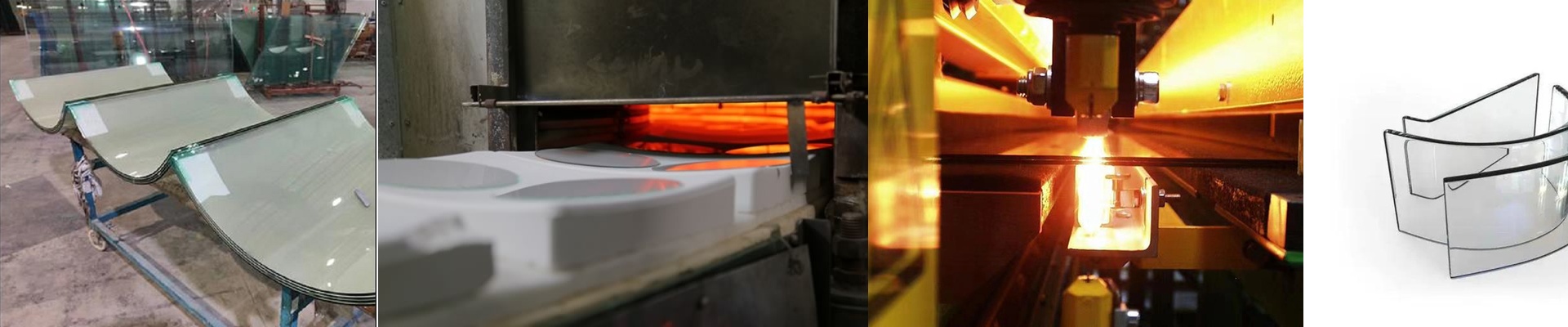
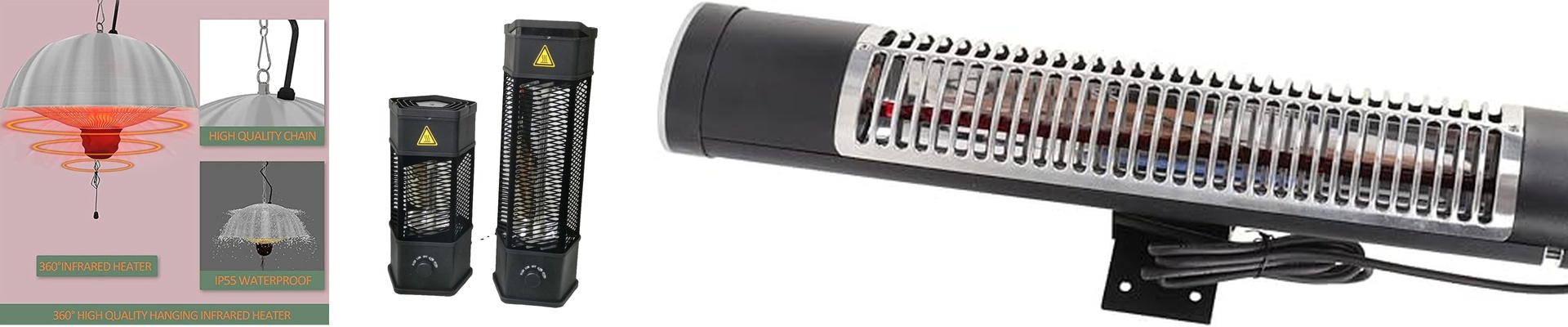
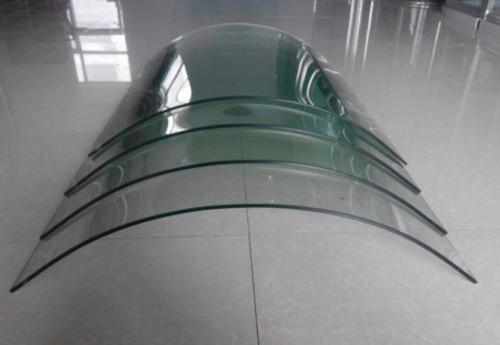
If you’ve ever worked with glass bending, you know the headache. You’re fighting a constant battle against internal stress and deformation. If your temperature is off by a hair, the whole piece is scrap. To fix this, we use shortwave IR lamps and high-reflectivity mirrors. The goal is simple: hit that glass transition temperature as fast as possible. This lets us move away from slow batch processing and actually run a continuous production line.
The Problem with “Slow” Heat
Most heating elements are just too bulky. They have way too much thermal mass, which means they lag. By the time they get up to temp, the glass has already moved. IR lamps are different. They hit full power in milliseconds. It’s almost instant. This means you can tweak the heat in real-time while the glass is sliding through the tunnel. And here’s the trick: we use a dedicated reflector. Without one, you’re just wasting energy by heating up the machine frame. By bouncing that radiation back onto the glass, we crank up the heat flux and can actually make the tunnel shorter.
It’s All in the Mirror
The reflector isn’t just some piece of shiny metal. It’s the heart of the system. Depending on the lamp’s wavelength, we usually go with gold-coated or polished aluminum. We shape them into parabolic or elliptical curves to focus the energy into a tight beam. This stops those annoying cold spots from popping up in the center of the sheet. But you have to be careful with the install. If your alignment is off by even a few millimeters, your focal point shifts. Suddenly, you’ve got uneven heating and a lot of wasted time.
The Real-World Trade-offs
Setting this up for 24/7 production isn’t without its quirks. You’re dealing with high current loads, so you need a power supply that can switch rapidly without flickering. Plus, there’s the heat. Because we’re packing so much energy into a small space to get that fast annealing, your cooling fans are going to be working overtime. If your airflow isn’t spot on, your lamp sockets will simply burn out. It’s a nightmare to fix. I always suggest keeping a close eye on the housing temperature. Proper venting is the only way to keep the system humming without things melting down.