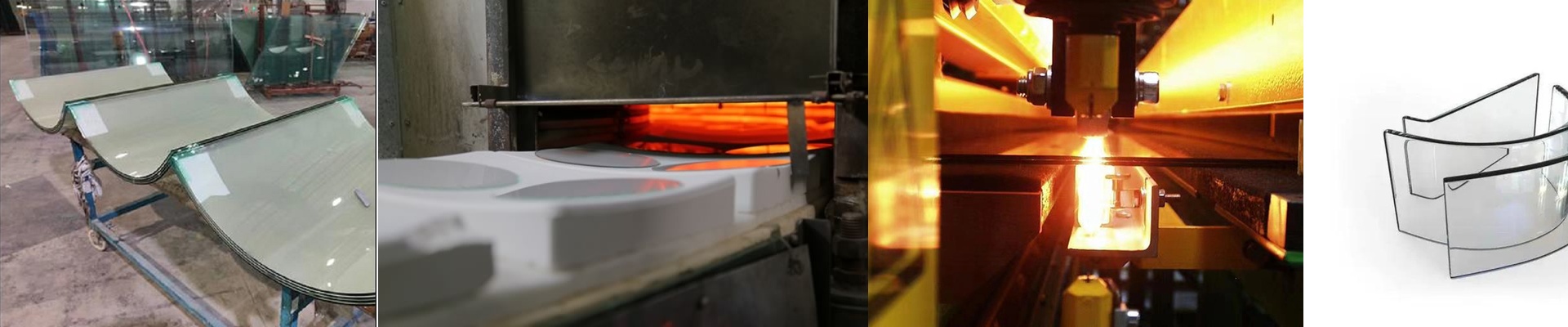
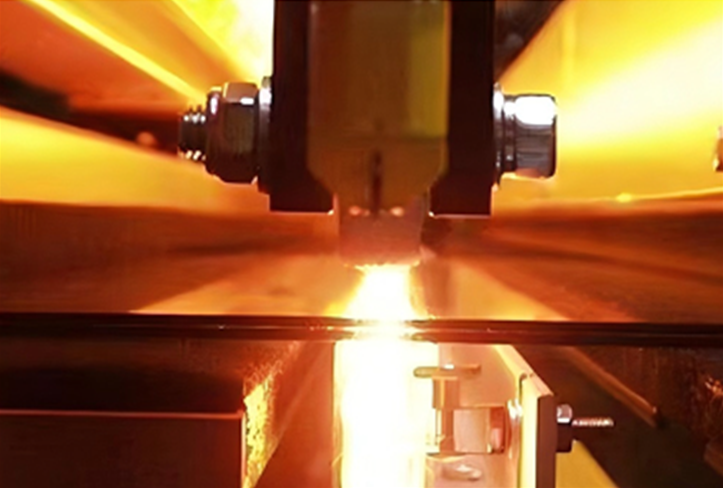
Here’s the struggle when you’re building mobile glass repair brackets: you need a ton of heat, but you have almost zero room to work with. You can’t just slap in a massive lamp because you’re fighting both a tight physical footprint and limited voltage. So, instead of just adding more power, you have to get smart about where the heat actually goes. Making the most of a tiny space In these mobile setups, we rely on aluminum reflectors. Think of it like a mirror for heat. Instead of letting the IR radiation bleed out into the housing and waste energy, the aluminum bounces it straight onto the glass. It’s a clever little trick. By concentrating the heat in one spot, we can use smaller, lower-wattage lamps and still hit those high temperatures needed to soften glass or cure resin. The balancing act We stick with aluminum because it keeps the tool light. If you’re carrying this thing around all day, every ounce matters. But there’s a catch. Aluminum doesn’t handle extreme heat as well as ceramics do. If you push a lamp that’s too powerful for the size of the reflector, you’ll end up warping the foil or ruining the coating. It’s all about the gap. You have to find that sweet spot where the lamp is close enough to work, but not so close that it melts the bracket. Fitting it all together To make this work in a micro-scale bracket, the shape of the reflector is everything. We use parabolic or elliptical curves to aim the IR waves exactly where they need to go. This keeps the tool slim and handheld rather than some bulky piece of machinery. The result? A compact tool that gets up to temp fast. Just a heads-up: when you concentrate heat like this, the mounting points take a beating. Make sure your housing can handle the stress, or throw in some small heat sinks. Trust me, you don’t want the outer casing burning the person using it.