Stop Wasting Heat: A Better Way to Handle Glass Annealing
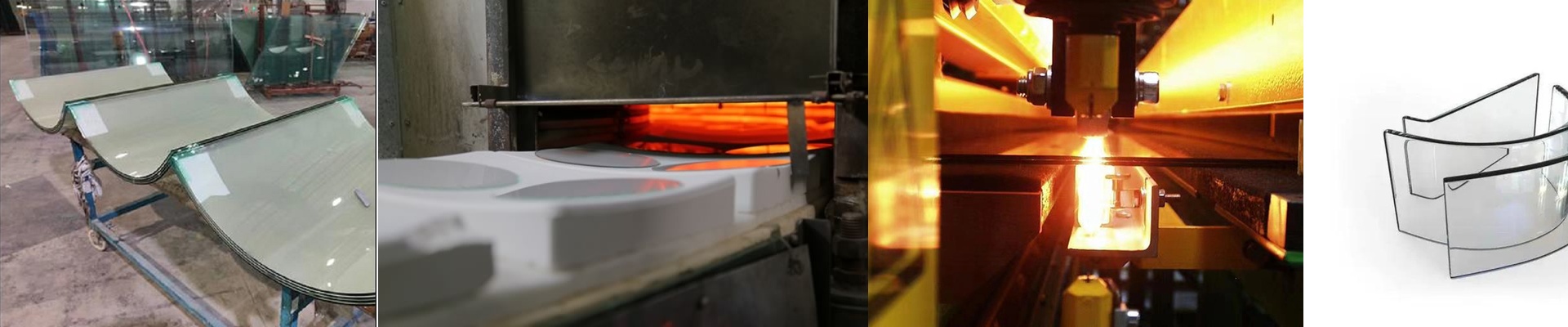
If you’ve spent any time on a CNC glass line, you know the headache of stress fractures. You need the glass hot, but not too hot, and you need it exactly where the cut is happening. The problem? Most shops are still using old-school heating elements. They’re basically space heaters for your machinery. They waste a massive amount of energy warming up the entire machine frame just to get the glass to the right temperature. It’s inefficient and, frankly, a pain. We do things differently. We use shortwave infrared (IR) lamps to put the heat exactly where it belongs. The secret is in the physics. Our lamps use a high-density tungsten filament inside quartz. Instead of trying to heat up the air around the glass—which takes forever—shortwave IR beams energy straight into the surface. It’s fast. Really fast. We’re talking seconds, not minutes. You get to your annealing temperature almost instantly, and your workflow actually starts to move. Getting the hardware right Since these go into industrial CNC setups, we build them to handle high voltage without breaking a sweat. We use higher wattage so the units can stay small without losing any punch. But here is a pro tip: when you go with a high-wattage tube, the heat density is intense. If you use cheap reflectors, you’re basically just heating your shop floor. We stick with gold-coated or polished aluminum reflectors to bounce every bit of that energy back into the glass. A few warnings on installation These are designed as drop-in replacements. We use standard industrial connectors, so you won’t be hunting for weird adapters or spending hours on custom wiring. But—and this is a big but—be careful with the quartz. It’s fragile. If you touch the glass with your bare hands, the oil from your fingerprints creates a “hot spot.” That’s a one-way ticket to a burnt-out lamp.**Use lint-free gloves.**No exceptions. The bottom line on cost Your electricity bill will drop because you’re no longer paying to heat the air in your building. The only real catch is the upfront cost of the IR controllers. You can’t just “plug and play” these; you need precise PID control. If the temperature spikes, you risk warping the glass, and that’s a mistake you only make once. It’s a small price to pay for a system that actually works the way it should.