
Getting Your Voltage Right for Glass Annealing
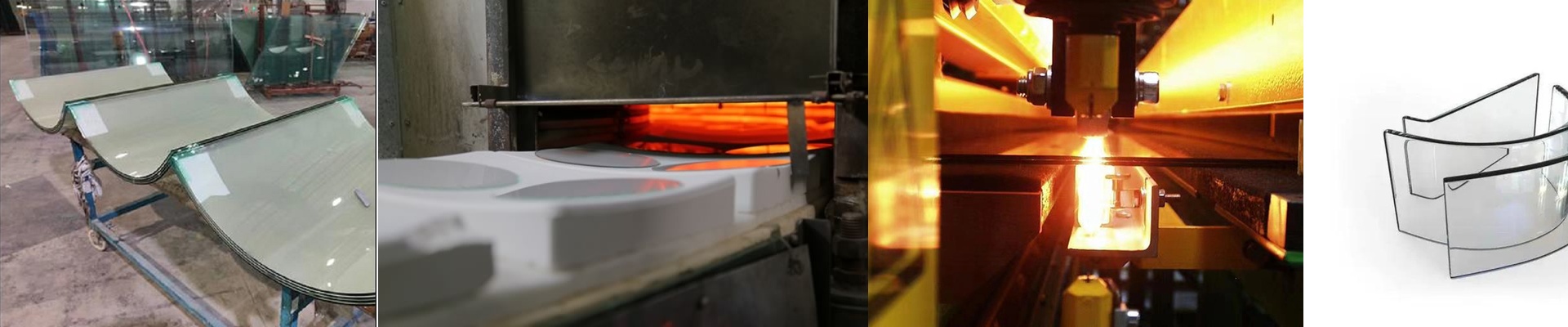
When you’re annealing spectacle glass, it’s all about the balance. You need that thermal gradient to be just right—enough to kill the internal stress, but not so much that you warp the lens. We build the IR lamps that handle this, but here’s the real secret: the heat isn’t usually the hardest part. The real headache? The power grid.
The Voltage Struggle
Most IR lamps you find off the shelf are built for 220V. That’s fine for some, but if you’re setting up a line in North America or running a heavy industrial site, you’re probably looking at 110V, 480V, or even 575V. If you try to run a 220V lamp on a 480V line, it’ll pop almost instantly. Poof. Gone. On the flip side, under-volting a lamp is just as frustrating. You get weak heat density and your cycle times stretch out, which kills your productivity. We fix this by tweaking the tungsten filament—adjusting the length and diameter—so the lamp matches your local grid. You get the same steady wattage no matter where the machine is plugged in.
Heat That Actually Works
We use high-purity quartz for these envelopes. But the real magic is in the spectral output. We make sure the heat actually sinks into the glass substrate rather than just scorching the surface. And if you’re running those 575V versions, there’s a nice perk: lower current draw. It means less strain on your wiring and fewer voltage drops across those long cable runs you find in big factories. You get all the heat you need, but your electrical footprint stays lean.
A Quick Warning on Installation
We offer a few different end-cap setups, so these should slide right into your existing rigs without any drama. But a word of advice: if you’re pushing high wattage through a compact tube, your lamp holders are going to feel the heat. Seriously. If you switch to a high-density 480V setup, take a look at your ceramic sockets. Cheap holders tend to crack under the constant thermal stress of an annealing cycle. It’s a pain to deal with, and you’ll find yourself replacing sockets every few months if you don’t match the hardware to the lamp’s output. Better to get it right the first time.