Stop Wrestling With Single Lamps—Get a System That Actually Works
Buying a single glass annealing lamp is the easy part. Any catalog can do that. The real headache starts when you try to actually fit that lamp into a production line and get a thermal curve that doesn’t fluctuate. That’s usually where engineers hit a wall. We’re here to help you get over it.
The problem with “just buying a lamp”
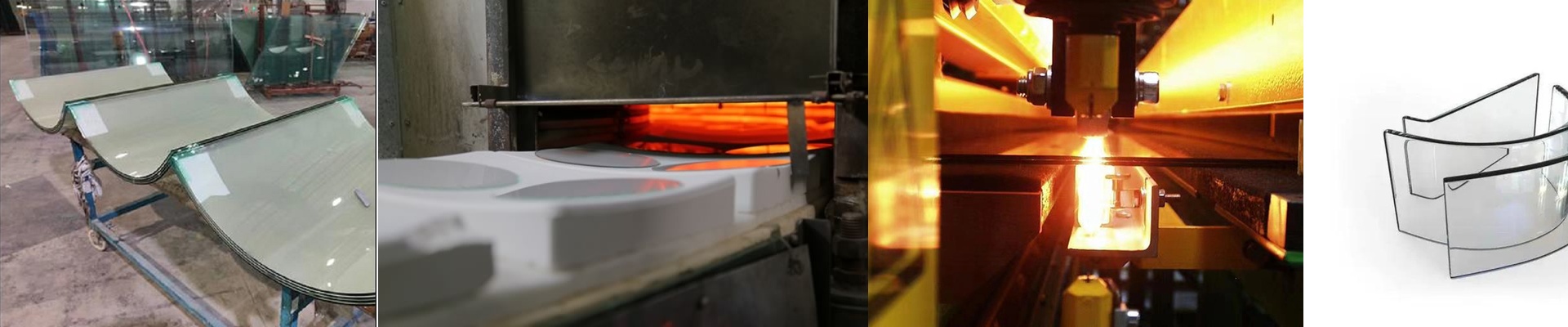
Most shops do the same thing: they spec out a basic quartz lamp, pick a wattage, wire it up, and just hope the heat spreads evenly. But here’s the thing—a raw lamp doesn’t care about the shape of your glass. If the positioning is off by even a fraction, you get cold spots. And cold spots mean internal stress. And internal stress means your glass is going to crack. It’s frustrating, and it’s expensive.
A better way to build
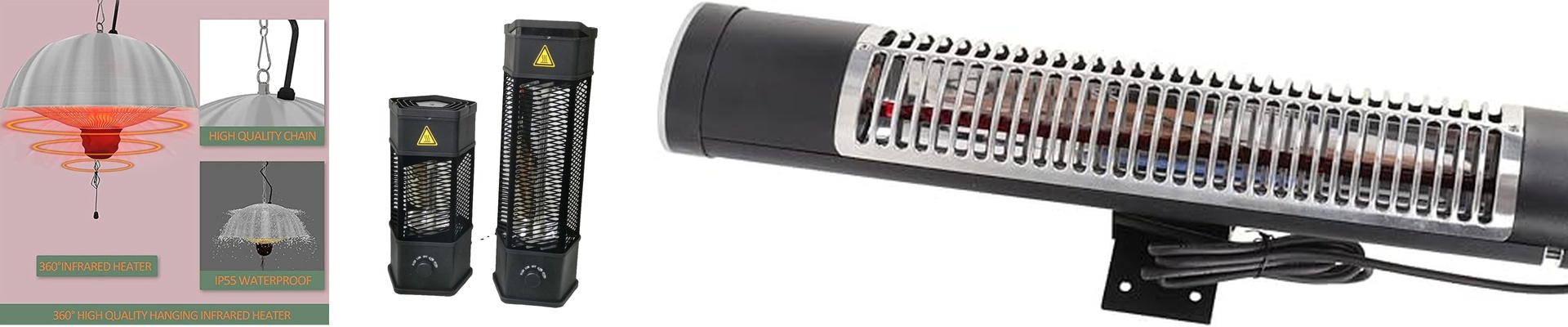
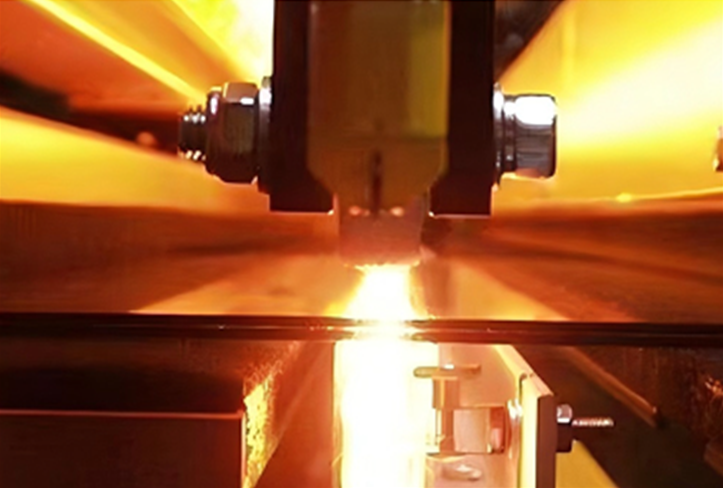
We decided to stop selling just the tubes. Instead, we build the whole heating module. We take care of the reflector geometry, the brackets, and all the messy wiring looms. It’s a “drop-in” assembly. You bolt it to your frame, plug it into your controller, and you’re done. No more spending hours manually aligning lamps and praying they stay put. We use high-density short-wave IR emitters, too. It means the heat hits the glass fast and penetrates deep, rather than just warming the surface.
A few things to keep in mind
Now, there is a trade-off. High-wattage modules pack a massive punch of heat. That’s great for speeding up your cycle times, but it puts a real load on your electrical setup. You’ll want to make sure your power supply can handle that initial surge when the bank kicks in. Plus, when you’re pushing that much heat, your cooling fans have to work harder. If they don’t, you risk warping the housing. But once you’ve got the power and cooling sorted? You can stop worrying about individual lamp failures and actually start focusing on how much product you’re pushing through the door.