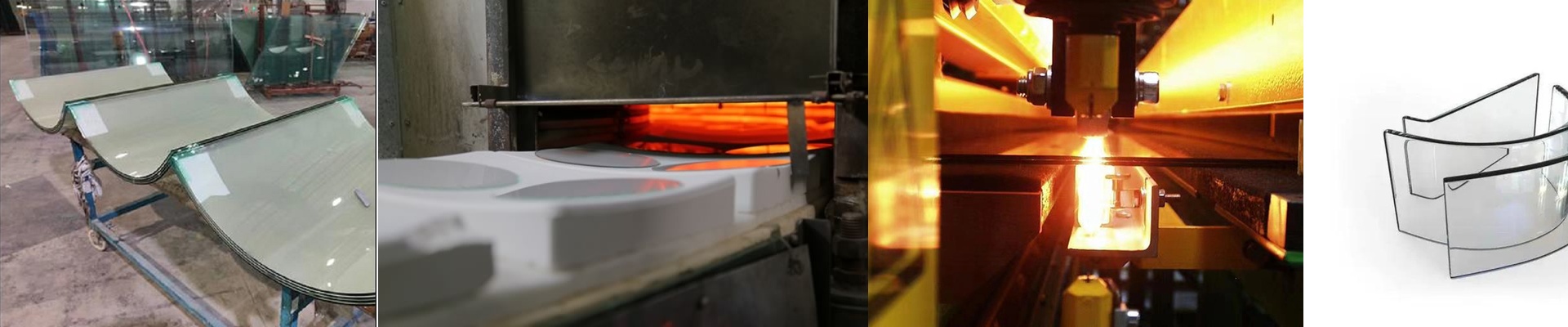
Out on the line, a non-uniform heat profile doesn’t come with an alarm. It comes as a pile of rejects. Glass cracking mid-cycle. Edges warping. Optical distortion showing up in inspection. And suddenly you’re chasing thermal hot spots while the schedule slips. In tempering, bending, lamination preheat, and coating drying, that heating lamp isn’t just a heat source. It’s the first control point for dimensional stability.
What matters, technically
We build our wholesale glass heating lamps around short-wave quartz emitters. The reason is straightforward: their output is mostly infrared, and that energy couples directly into glass with far less reliance on convection. That gives you fast response and tighter control over the thermal envelope. A matched reflector array and a calibrated power profile keep the work plane inside a narrow temperature band, so the sheet sees consistent heat instead of peaking hot and running cold at the edges. In practice, that translates to less thermal stress, fewer micro-cracks, and predictable sag behavior when you’re bending.
Why it holds up in real production
Uniform heat is the simplest way to avoid炸裂, deformation, and optical aberrations. When the thermal field is even, the glass hits target temperature without localized overshoot, so it moves predictably through annealing, forming, and curing. You end up with shorter heat-up windows, more stable cycle times, and fewer line stoppages for scrap. And the lamps drop into existing frames and controls, so you can replace aging modules without re-engineering the whole line.
The details that bite you if you ignore them
These lamps are tough, but they still need the basics: mounting clearance and airflow direction matter, or you’ll cook the edges. Keep the emitter surface clean and inspect reflectors regularly. Even a little contamination throws uniformity off. And before you order, verify drive voltage and connector type. Swapping cables on the fly shifts the power curve and kills repeatability.