
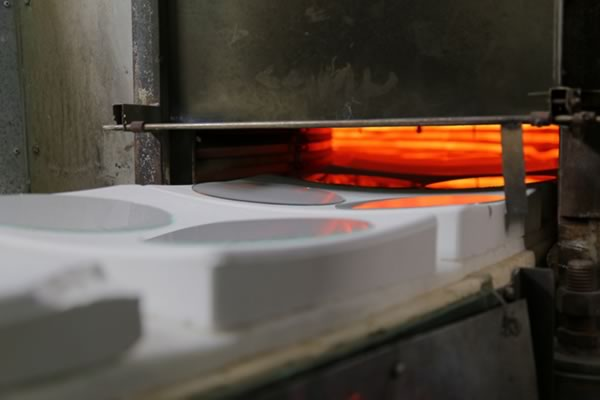
Getting the Heat Right: Why Standard Lamps Often Fail Your Glass
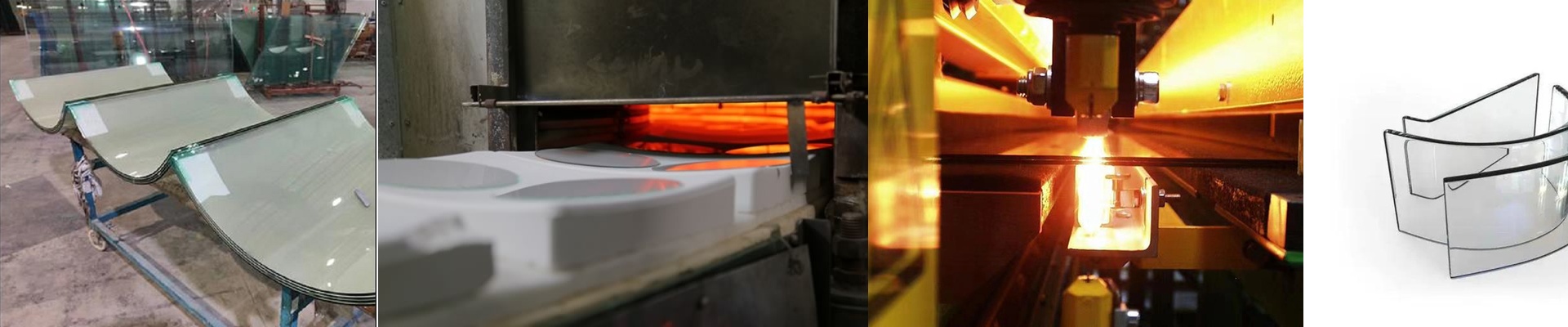
Most IR lamps just blast a broad spectrum of heat. It’s a blunt instrument. The problem is, a lot of that energy just bounces off or wastes away because it doesn’t actually “fit” the glass you’re working with. And if you’re adding chemicals or additives to your glass to change how it behaves, you’ve shifted the goalposts. The glass now absorbs heat differently. That’s where we come in. We don’t just sell you a bulb; we tune the lamp to match the specific “hunger” of your glass.
The “Surface Heat” Trap
Here’s the thing: glass isn’t just one thing. Depending on what’s in it, it absorbs infrared energy at different frequencies. If your lamp is humming at one frequency but your glass is waiting for another, the heat just sits on the surface. It’s like trying to push a square peg into a round hole. You end up with glass that’s scorching on the outside but cold in the middle. **That’s a recipe for disaster.**When you hit the quenching phase, that unevenness turns into stress fractures. Your yield drops, and your frustration goes up. We fix this by aligning the lamp’s output with those specific absorption peaks, forcing the heat deep into the heart of the glass.
How we actually do it
We don’t do “off-the-shelf” here. We mess with the filament composition and apply custom coatings to the quartz envelope. It’s a bit of a chemistry project. We look at your material’s DNA and narrow the emission band so it hits exactly where the glass wants it. The result? The heat transfers way faster.
The Trade-off (Because nothing is magic)
I’ll be honest with you—there is a catch. When you narrow the spectrum to make it more efficient, you lose some of that overall “brightness” or total light output. You’re getting more useful heat per watt, but the lamp isn’t as blindingly bright as a broad-spectrum one. Because the energy density changes, you can’t just swap the bulbs and walk away. You’ll need to tweak your conveyor speed and zone temperatures to get the rhythm right.
Why bother?
You’ll see this mostly in high-end lines where standard halogen tubes just aren’t cutting it. When you tailor the spectrum, you stop fighting the material. You reach the softening point using less energy, which means your oven’s cooling system isn’t working overtime. Plus, the glass stays flat. No warping, no surprises. Just a clean, consistent temper.