Stop Letting Old Ovens Slow Down Your Glass Line
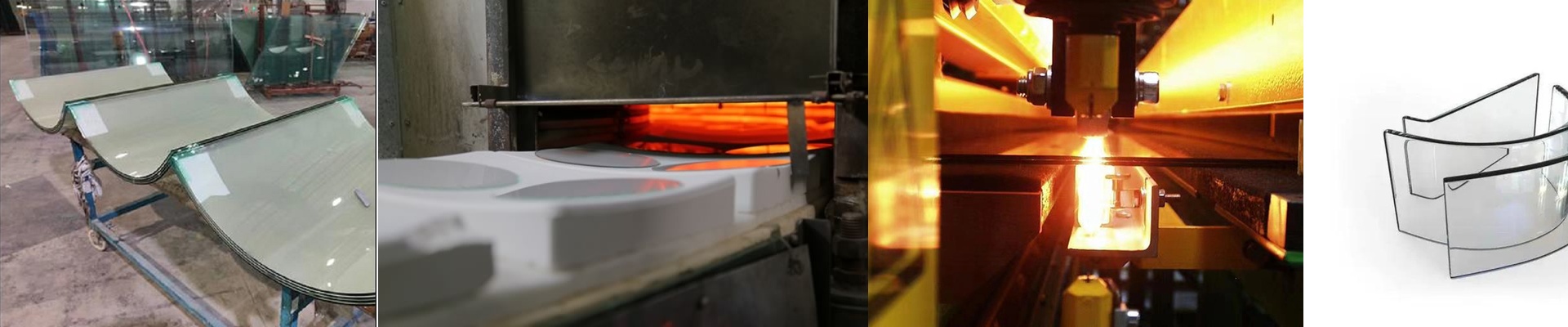
Nobody wants a train window to just… shatter. It’s a nightmare scenario. To stop that from happening, you have to get the stress out of the glass, but the old-school lehr ovens are a slog. They’re slow, they’re bulky, and they kill your momentum. That’s why we switched to shortwave IR heating. It lets you handle the annealing right there on the line. No stopping, no waiting. Just a smooth, continuous flow.
Why IR actually works
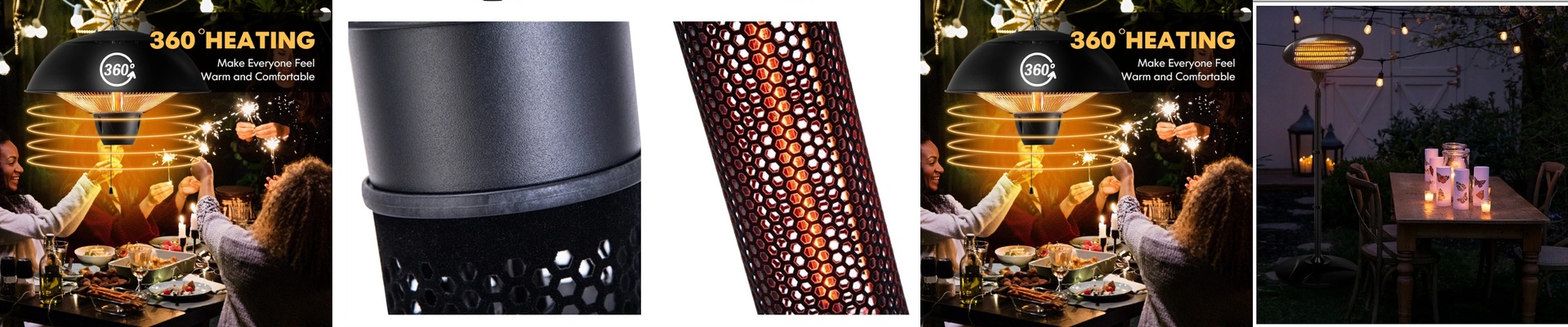
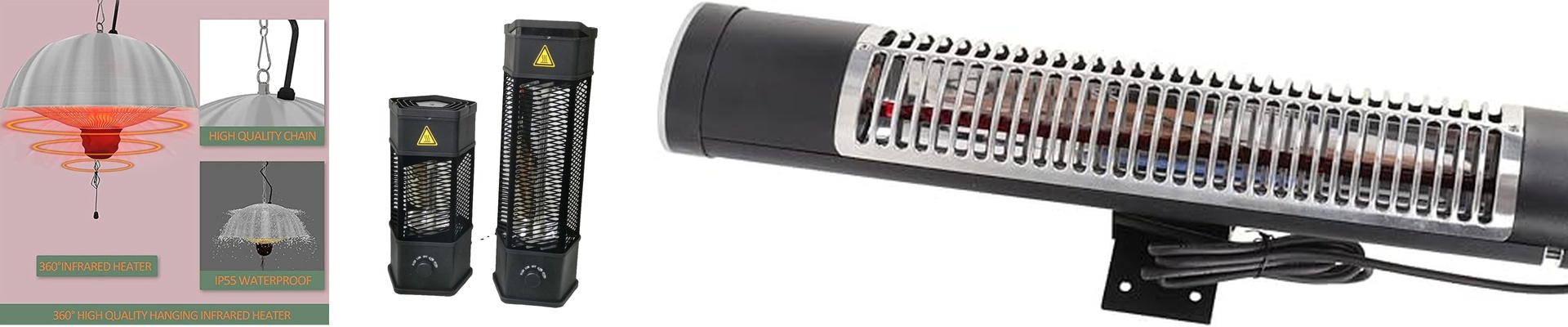
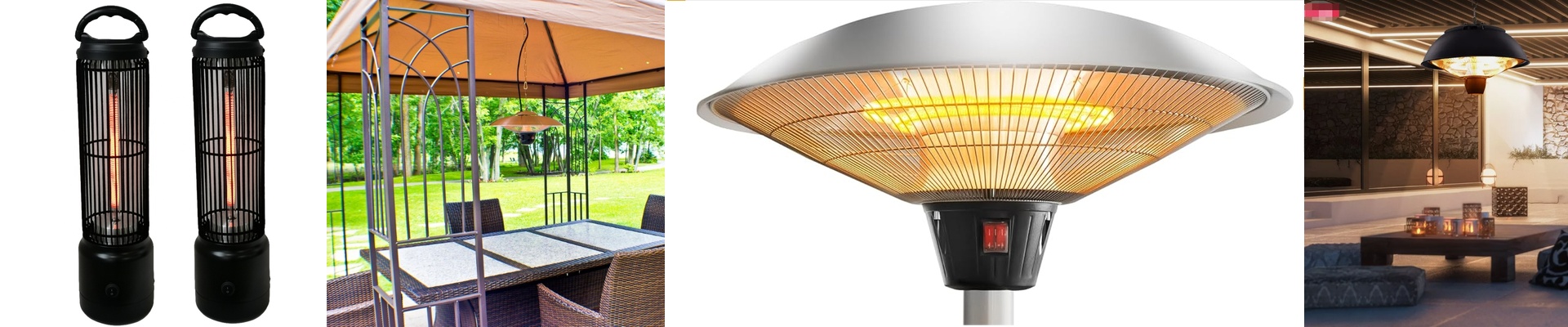
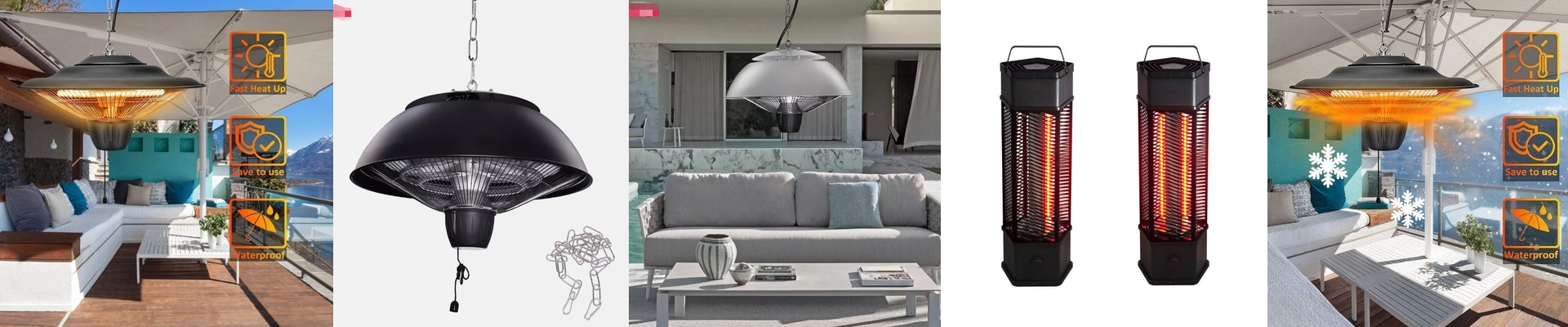
Think about a standard heater. It spends half its time just warming up the air around the glass. It’s a waste. Shortwave IR is different. It doesn’t mess around with the air; it shoots electromagnetic radiation straight into the glass, turning into heat the second it hits. It’s almost instant. When you’ve got high-wattage tubes firing, you hit those annealing temperatures in a blink. This means your glass keeps moving at a steady clip. You can finally ditch the “batch” mindset.
Keeping things under control
To keep a line moving, you need a lot of heat—but you have to be smart about it. If you just blast the glass, you’ll get thermal shock, and that’s a fast track to broken panels. The beauty of fast response times is that your PLC can talk to the lamps in real-time. If the conveyor slows down for a second, the lamps dim immediately. You don’t have to worry about overheating the glass or ruining the surface finish because the system reacts as fast as the line does.
The “Gotchas” (The Engineering Side)
Look, it’s not all magic. There are a few things you have to get right. First, these setups pull a lot of power. You can’t just plug them into a wall outlet and hope for the best. You’ll need a dedicated power supply that can handle the initial surge without tripping a breaker. Then there’s the heat. Since these lamps are so intense, you need a venting system that actually works. If your cooling fans quit, those housings will warp. But once you’ve got that sorted? You save a massive amount of floor space. You can rip out those giant ovens and create a much tighter loop from the first cut to the finished window. It just makes the whole factory feel leaner.