Stop Losing Your Patio to the Cold
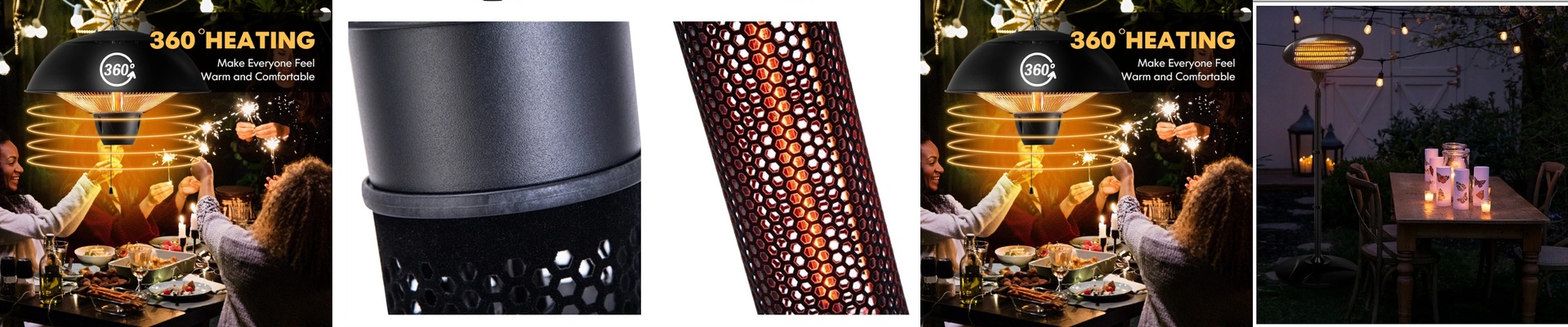
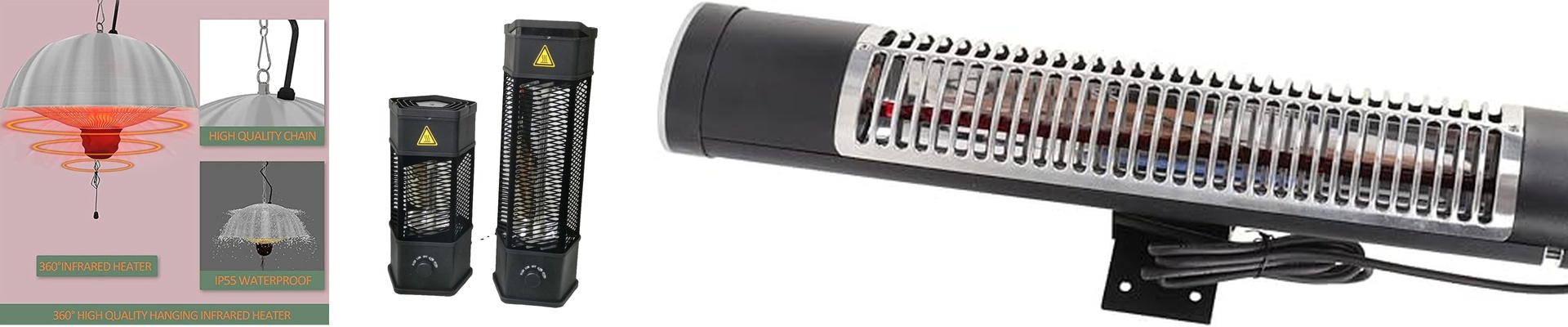
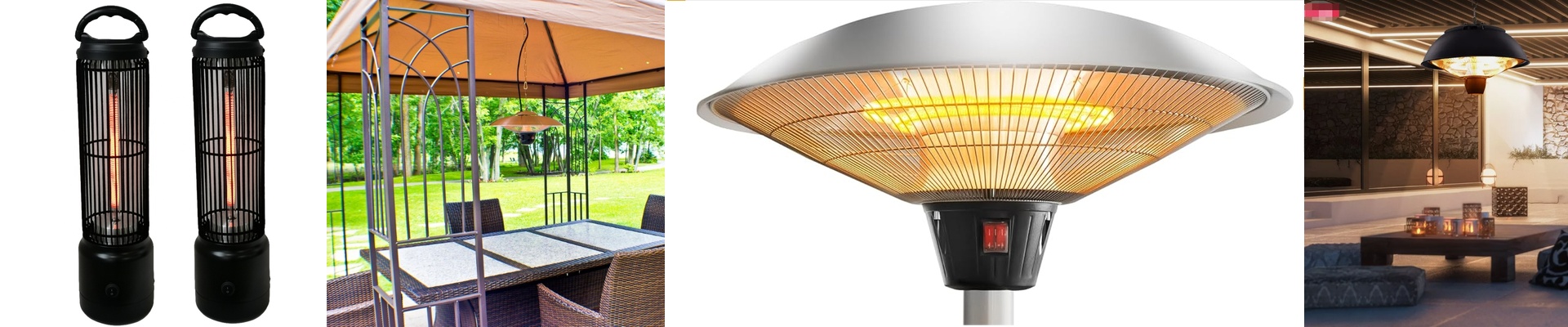
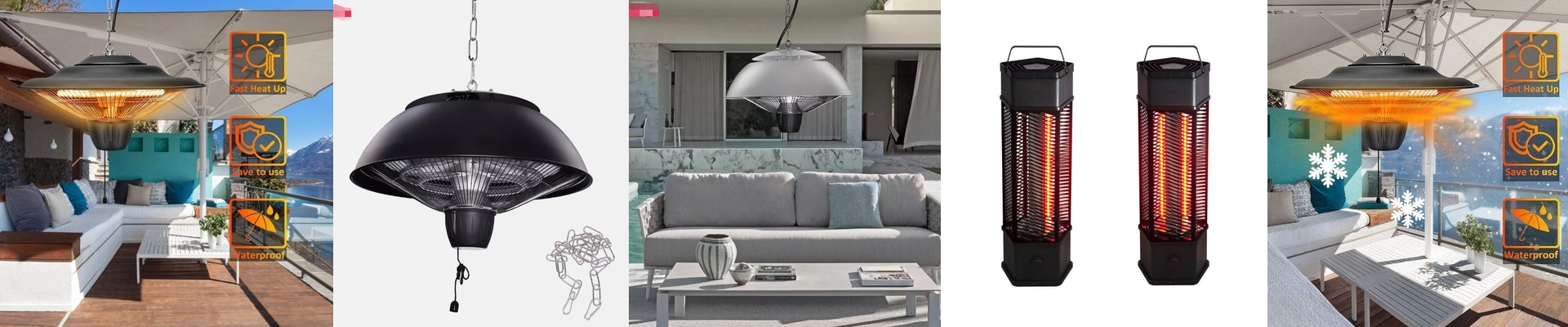
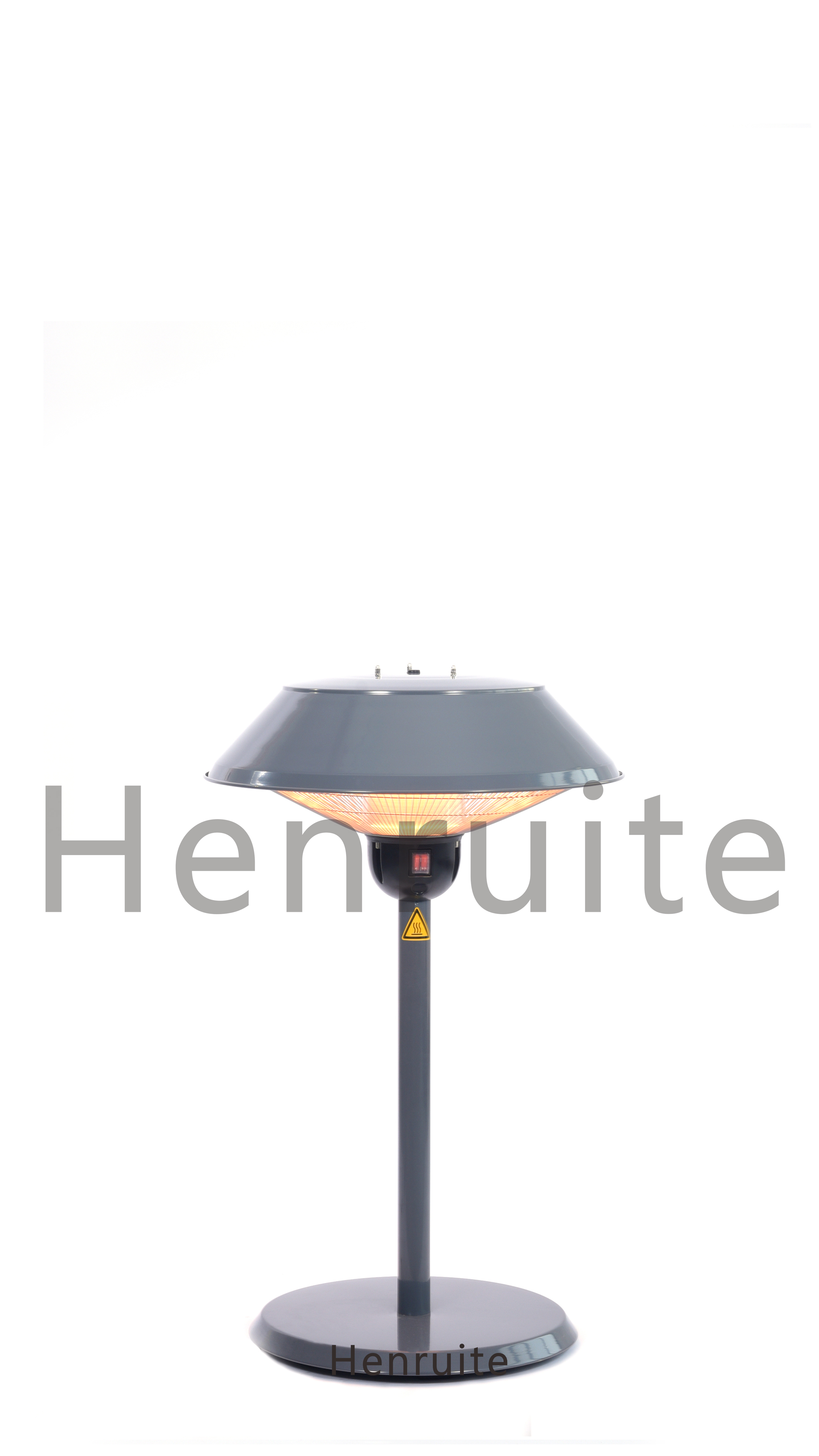
Here is the reality: the second the thermometer dips below 15°C, your outdoor tables start looking like ghost towns. Most people try to fix this with standard heaters that warm up the air. But that’s a losing battle. One light breeze comes through and all that expensive heat just floats away. We do things differently. We use short-wave infrared. Instead of fighting the wind, these heaters beam heat directly onto your guests and their chairs. It’s like sitting in the sun on a crisp autumn day. The air might be freezing, but your customers are warm. Keeping People in Their Seats Nobody wants to sit in a “cold spot.” You know the feeling—you’re warm for a second, then a chill hits your shoulders, and suddenly you’re itching to move inside. We set up these heaters in a grid to create a consistent bubble of warmth. When you get the wattage right for your space, the cold simply disappears. Your patio stays open and profitable all winter long. Plus, it’s instant. Your guests feel the heat the moment they sit down. They aren’t spending the first twenty minutes shivering and clutching their coats; they’re relaxing, ordering drinks, and actually enjoying the meal. The Nitty-Gritty Setup These units are built to take a beating. They’re rugged, encased in high-grade quartz, and designed to bounce those heat waves straight down. Whether you want them on umbrellas, the ceiling, or poles, they fit in. Just a heads-up on the power: don’t try to plug these into a standard wall outlet. A few 2kW heaters will trip your breaker faster than you can say “dinner service.” You’ll need a dedicated circuit and a panel that can handle the load, or you’re looking at a blackout right during the dinner rush. One Catch: The Line of Sight Here is the thing about infrared—it works like a flashlight. If a big pillar or a leafy plant gets in the way, the heat stops there. You can’t just toss one giant heater in the middle of the deck and call it a day. You have to map out your zones. It might mean buying a few more units than you originally planned, but it’s worth it. A fully packed patio in January is a lot better than a few warm spots and a lot of empty tables.