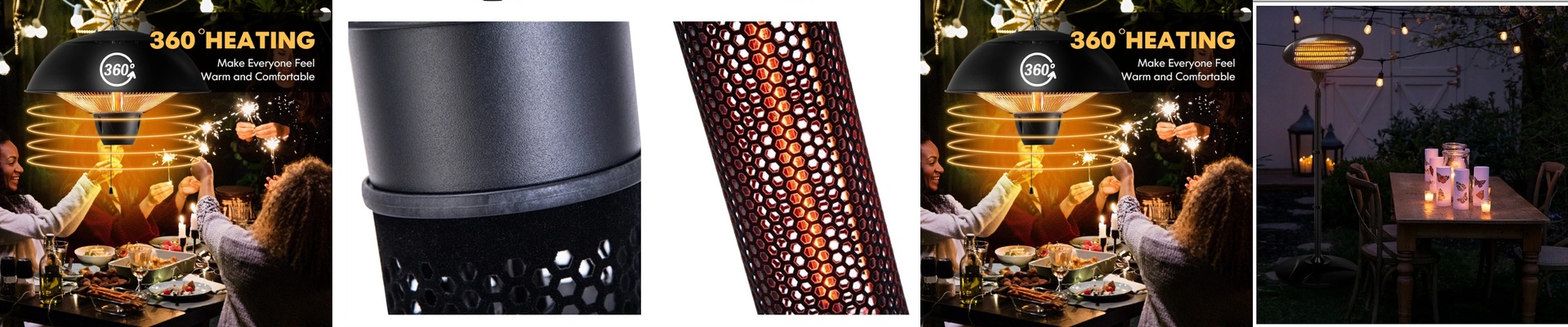
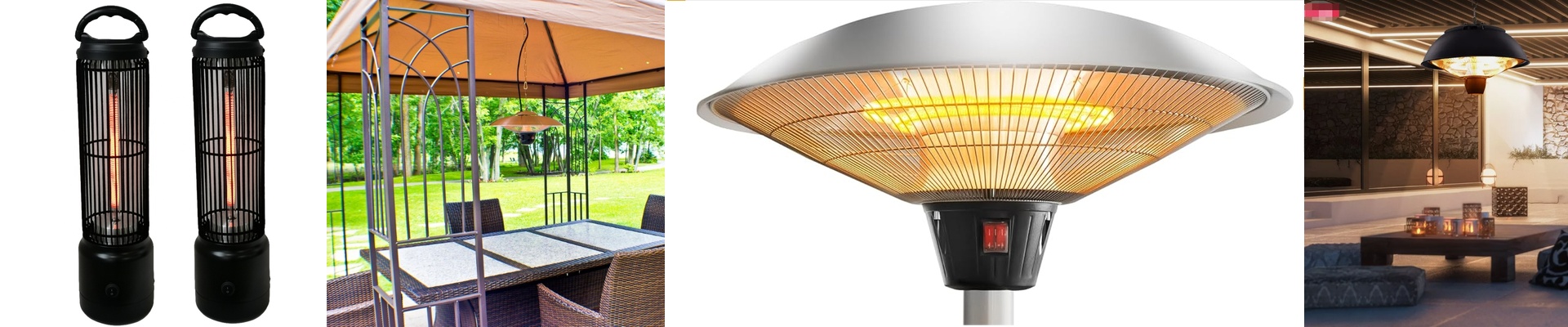
Keeping People Warm in High-Ceiling Changing Rooms
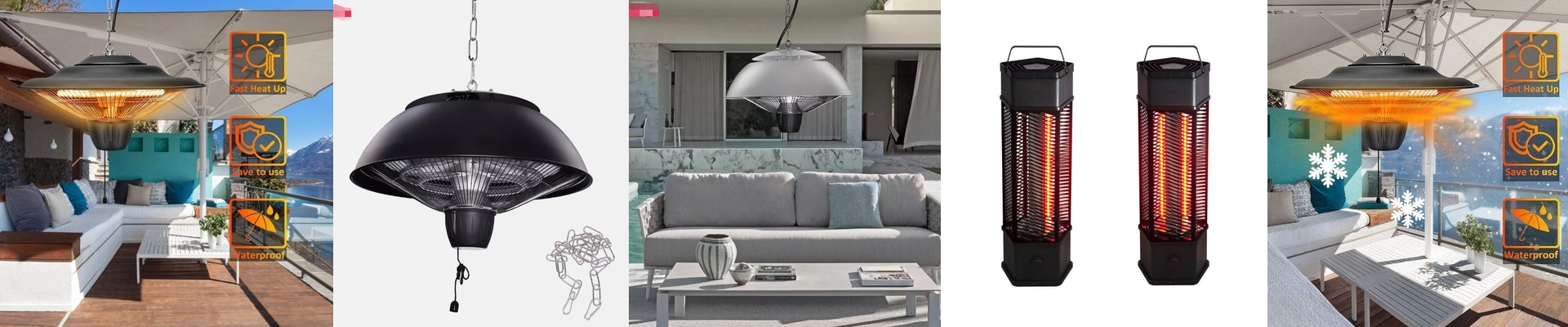
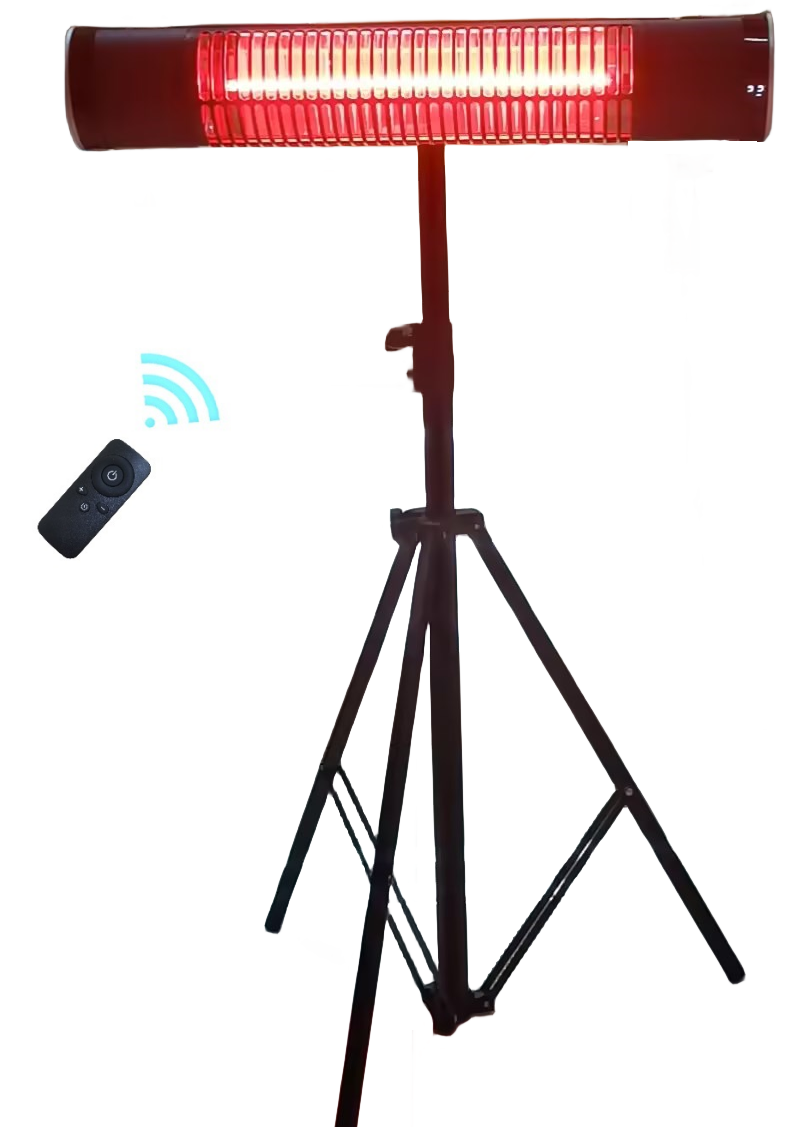
If you’ve ever tried to heat a massive changing room with high ceilings, you know the struggle. You crank up the heat, the air at the ceiling gets toastier than a sauna, but the people standing on the floor? Still shivering. It’s a losing battle. That’s why we stop trying to heat the air and start heating the people. We use shortwave infrared heaters. Instead of pushing hot air around, these send heat straight to the skin.
Heat That Hits Instantly
Think of it like the sun. You can be standing in the middle of a freezing winter day, but the second the sun hits your face, you feel that warmth. That’s exactly how this works. The heat travels at the speed of light and doesn’t bother warming up the air in between. You feel it in seconds. For those rooms where the ceiling is 4 to 6 meters up, we just use higher-wattage emitters. It ensures the heat actually makes it all the way down to the floor with enough punch to be felt.
The Setup (and the Trade-offs)
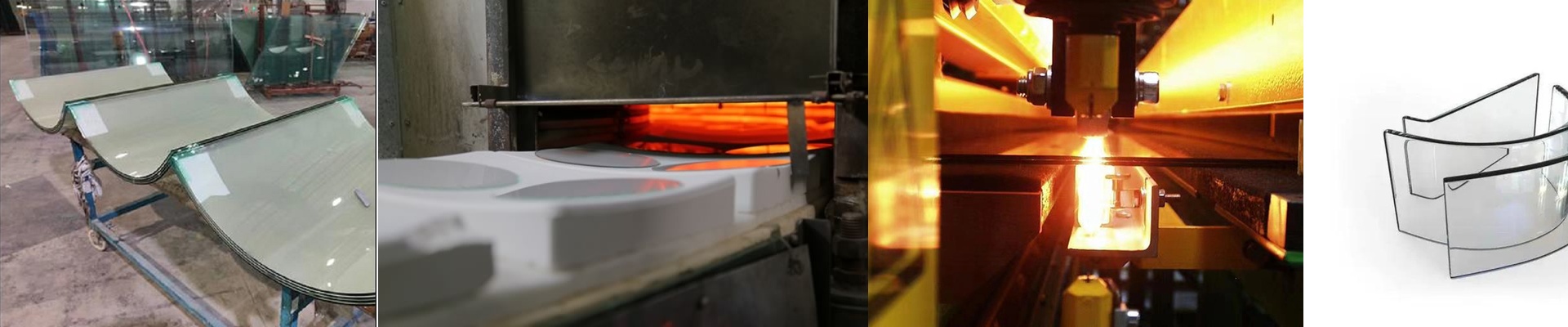
We use quartz glass tubes with high-density filaments, usually paired with reflectors that aim the beam straight down. This keeps the heat on the users and off your ceiling. But here’s the thing: you have to be smart about your power. A massive array of heaters puts a huge strain on your breakers. Plus, if you go too heavy in a small area, you end up with “hot spots”—those annoying patches where it’s almost too hot. The fix is simple: zone your heaters. It gives you way more control over the temperature in different parts of the room.
The Real-World Stuff
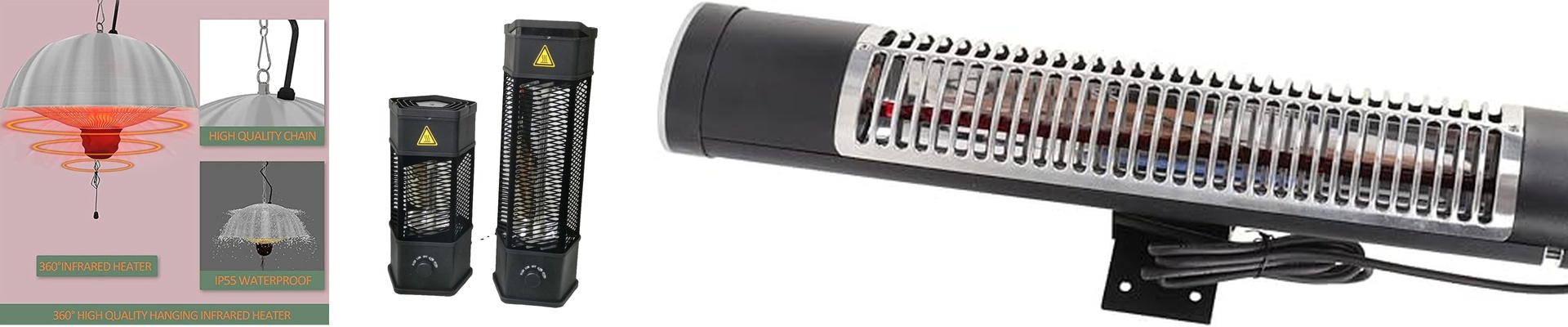
Installing these isn’t a “plug and play” job. You’ll need heavy-duty cabling to handle the current. And since locker rooms are usually damp, we use IP-rated housings. You really don’t want moisture getting into the terminals. One last tip: keep them clean. If dust builds up on the reflectors, your heat throw drops. A quick wipe-down every now and then is the only way to keep them performing like they did on day one.