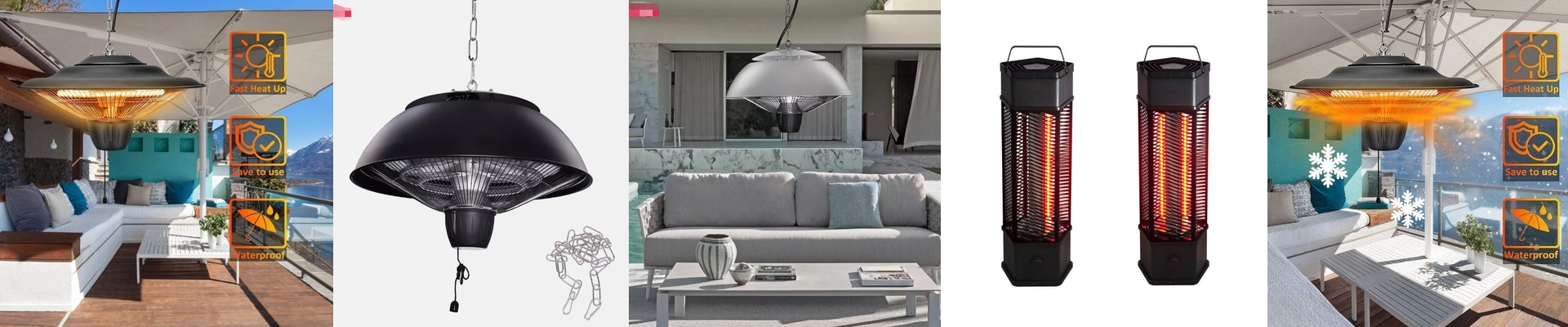
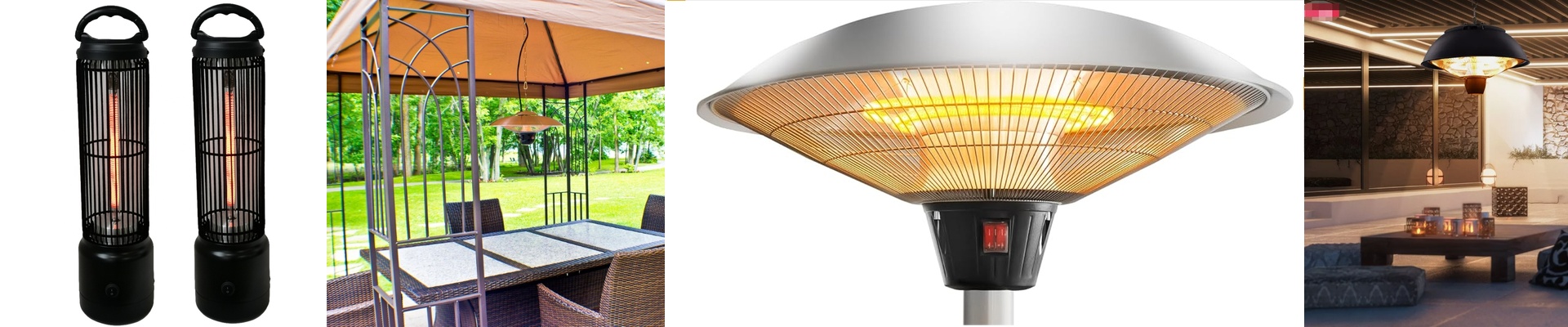
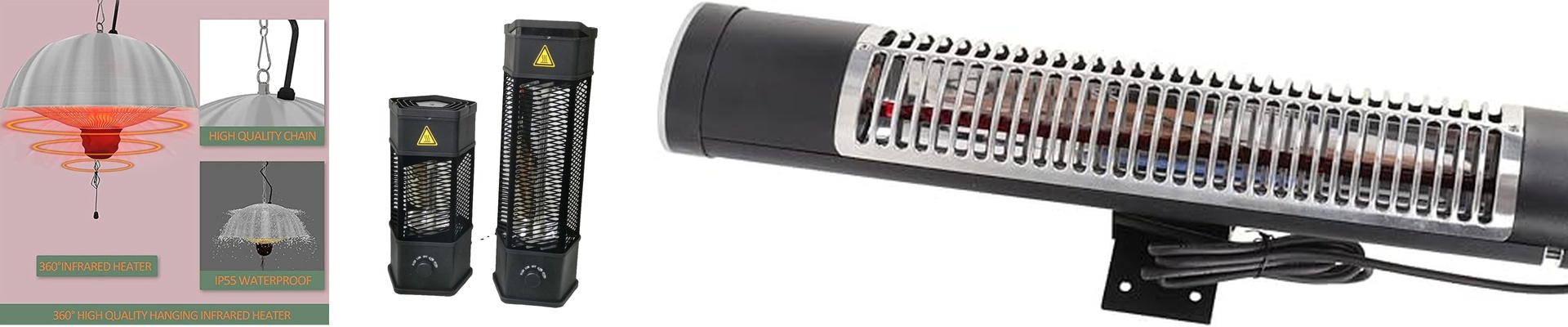

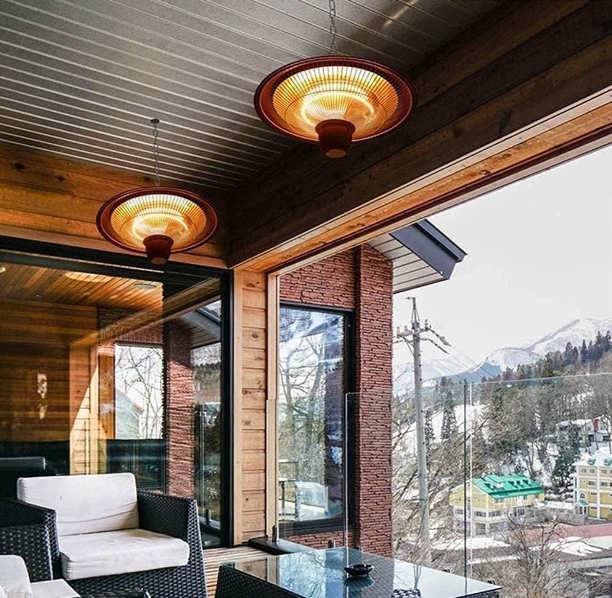
You know the moment—outdoor evenings start fine, then the warmth slips away right when you want it most. With a wall-mounted patio heater, that drop in comfort often comes down to something you can actually see: dust and fine grit building up on the emitter. Infrared warmth is direct, but it can’t do its job when the element is coated. Over time, that film forces the heater to work harder, so you’re spending more energy while the glow looks the same.
What matters under the hood
Infrared patio heaters deliver radiant heat, warming people and surfaces instead of trying to heat the air. In our wall-mounted models, the core is a carbon fiber element or a quartz tube—chosen for fast heat-up and steady output. You’re typically looking at 1500W to 2000W, designed for 120V household circuits, with a standard plug and a built-in thermostat to keep comfort consistent. The emitters are built to take the weather, but efficiency still depends on a clean surface and proper airflow around the housing.
Why this makes sense on a covered patio
On a covered patio, deck, or screened-in area, a wall-mounted patio heater keeps floor space open and puts the heat where you actually sit. Because infrared heats objects directly, you feel warmth almost immediately—perfect for evening conversations, family dinners, or quiet reading time outside. Keep the emitter clean and the unit unobstructed, and you get steady output, lower running costs, and a longer service life. Fewer surprise chill moments, and more evenings that end on your terms.
The practical details
Before you mount, confirm the wall is structurally sound and set the heater at the recommended height—usually around 6–7 feet off the floor—so the warmth spreads evenly. Keep combustibles and fabrics at a safe distance, and use the heater in covered outdoor areas only. For maintenance, power off and let the unit cool, then gently wipe the emitter with a soft, dry cloth.**Skip harsh cleaners and pressure washing.**If you’re in salt air or heavy pollen, plan to clean more often to protect the finish and keep performance steady.