

A Better Way to Cut Ultra-Thick Glass
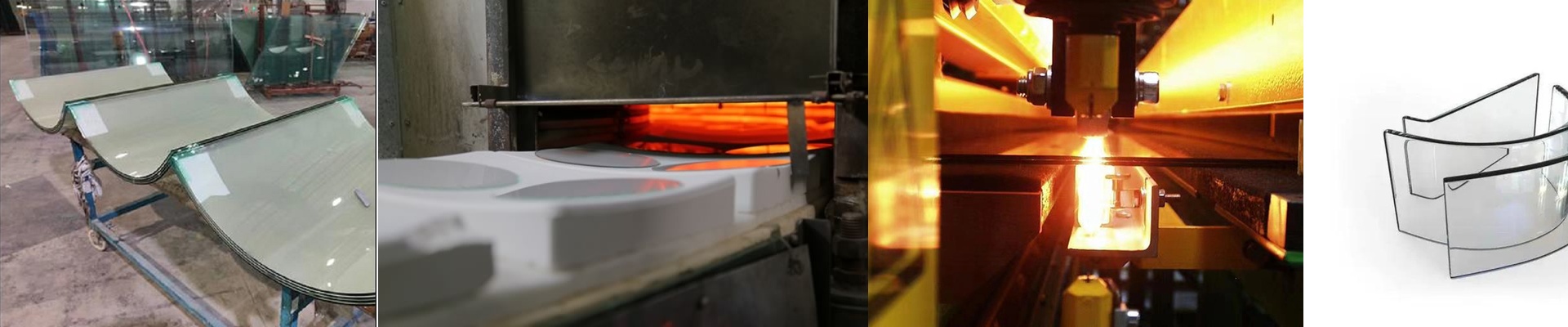
If you’ve ever tried to score ultra-thick glass plates cold, you know the struggle. It’s brutal on the equipment. Your cutting wheels take a massive beating, they chip way too fast, and you spend half your shift swapping them out. It’s a headache nobody needs. We found a way around this by using short-wave infrared (SWIR) heating tubes to soften the glass right where the cut happens. Why this actually works Most heaters just bounce off the surface of thick glass. They heat the “skin,” but the core stays cold and stubborn. SWIR is different. Because the wavelength is shorter, the energy actually sinks deep into the slab. It doesn’t melt the glass—that would be a disaster—but it does lower the viscosity. Think of it as making the glass just a little more “giving.” When the wheel hits that softened spot, there’s way less resistance. Your consumables last longer, and the whole process feels smoother. The trade-off Now, there is a catch. To get that kind of penetration, we use high-wattage quartz tubes. They pack a lot of heat into a tiny space and ramp up quickly, which is great for production. But that heat is intense. You can’t just slap these into any old frame. Your housing and reflectors have to be built for the heat, and your cooling system needs to be on point. If it isn’t, you’ll end up warping your brackets or frying your electronics. Getting it on your floor The best part? We designed these to fit right into your existing cutting lines. By positioning the SWIR tube directly in front of the cutting head, you create a moving heat zone. The glass softens exactly where the wheel touches down. This means fewer uncontrolled cracks, cleaner breaks, and—most importantly—way fewer rejects piling up at the end of the line.