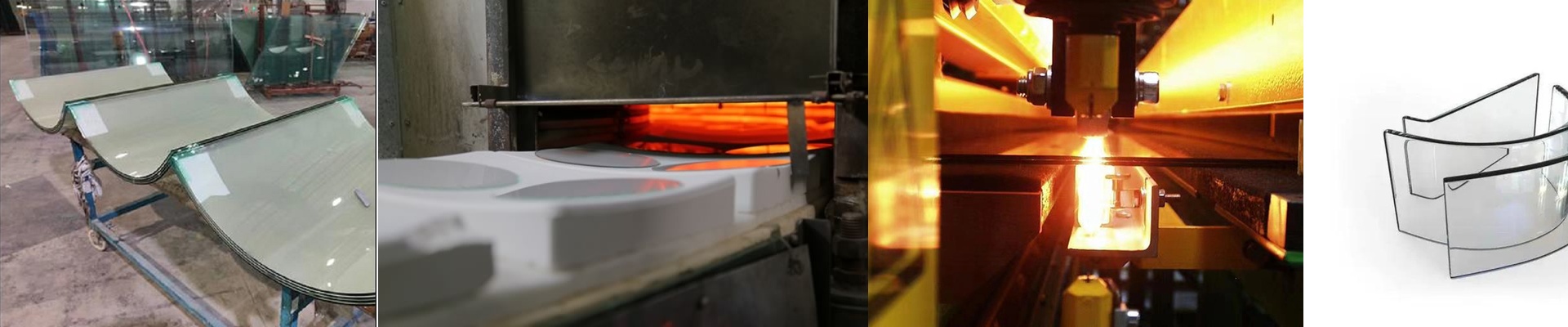
On the line, the glass sits and waits for heat that hits on schedule and lands exactly where it should. Get thermal uniformity wrong in bending, and you’ll pay for it—warp, optical distortion, or a fracture that stops the furnace. Let lamination dwell drift, and the interlayer bond won’t clear the safety bar. In glass processing, heating isn’t a background step. It is the process.
What matters under the hood
Short wave quartz infrared lamps dump energy in the 0.78–3.0 μm band, and glass surfaces soak that up hard. The response is near-instant: full power in seconds, then a fast ramp-down so you can ride tight thermal profiles. The quartz envelope holds up at high temperature and keeps emissivity steady, while the compact footprint lets you pack dense arrays into presses, ovens, and tempering furnaces. In practice, that translates to cleaner control of the thermal front, less interference from convection, and repeatable heating across the sheet.
Why this fits the work we do
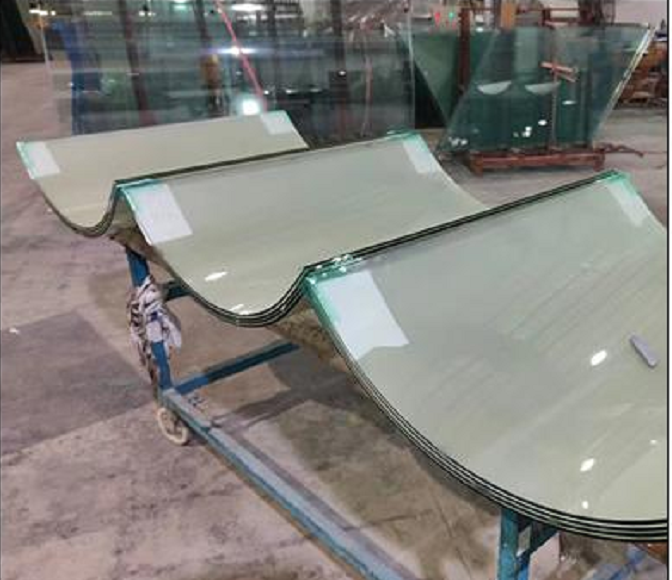
In hot bending, the lamp gives you localized pre-heat that keeps the mold-contact zone pliable without torching the edges—fewer spring-ins, fewer optical headaches. For tempering, it delivers a uniform preheat that lowers the risk of thermal stress cracks before the quench, so yield stays up. In EVA/SGP/PVB lamination, it gets the stack into the dwell window quickly, shortening cycle time and locking in bubble-free adhesion. For coatings, short wave energy drives solvent removal and crosslinking with minimal surface scorching, which supports higher line speeds.
The details you can’t gloss over
Short wave IR is fast and controllable, but it’s line-of-sight. Reflection and shadowing can carve hot and cold bands, so lamp layout and reflector geometry have to match the glass shape and how it moves. Expect higher peak power per unit area than medium wave. That means your wiring, cooling, and overall thermal management need to be sized for it. Treat these as drop-in replacements only when the mounting, terminations, and control match the OEM envelope. And plan on routine calibration—output needs to stay stable over 5,000+ hours.