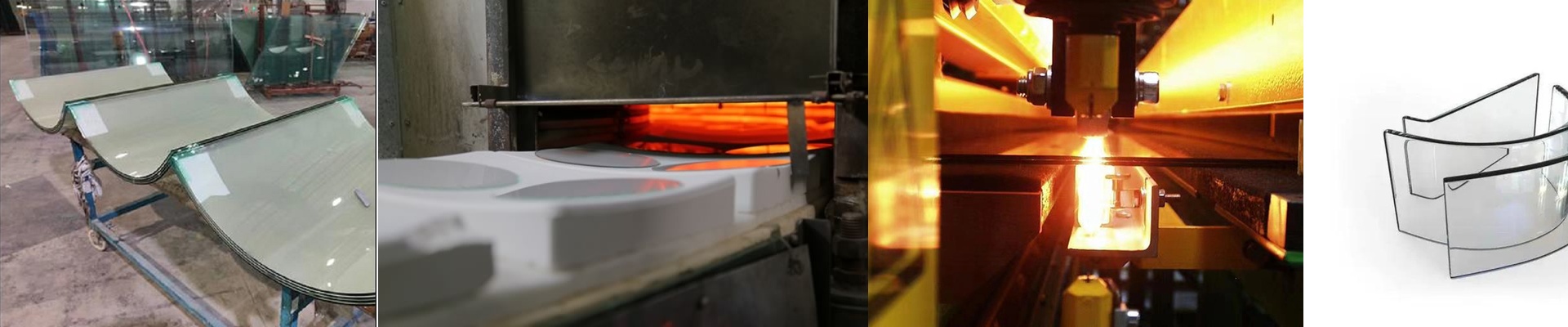

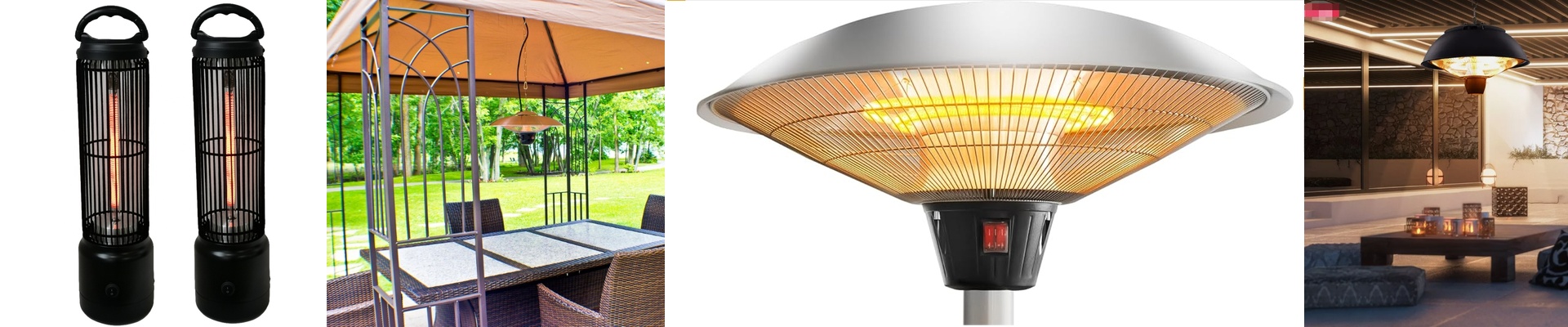
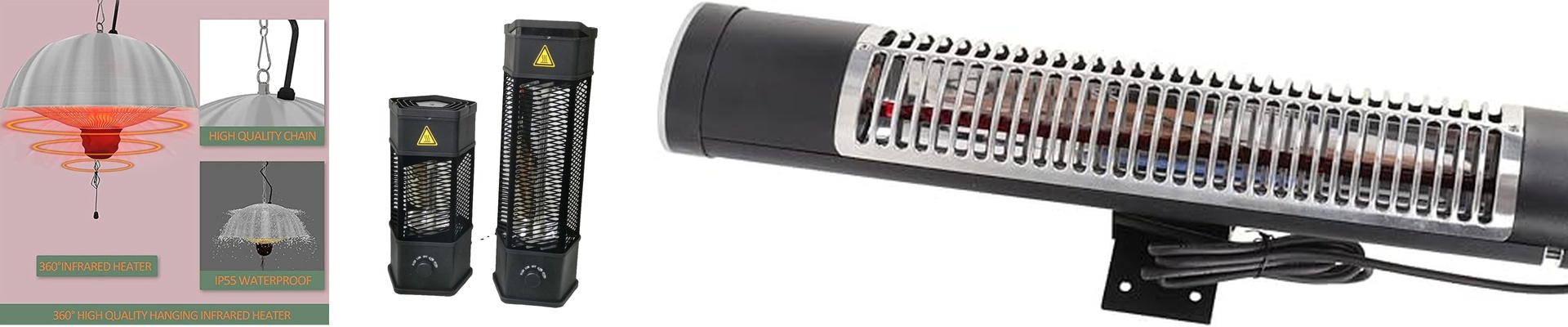

The Real Struggle of Fitting IR Heat into Mobile Glass Repair
When you’re moving your glass repair setup from a steady workbench to a mobile rig, you suddenly realize how much you miss having space. You’re basically trying to cram a high-heat engine into a tiny bracket, all while fighting with limited voltage. It’s a tight squeeze. You need that glass to hit the right temperature fast, but if you push too hard, you risk frying your electronics.
Making it Small (Without Losing the Heat)
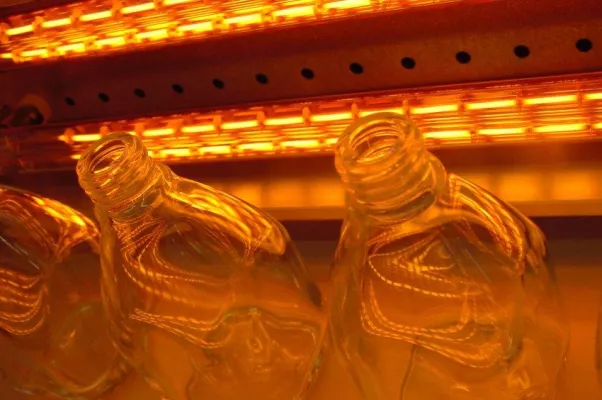
The goal here is “watt density.” Basically, we need a lot of punch in a tiny package. We use short-wave infrared tubes because they don’t waste time heating up the air around them. They go straight for the glass. Because they’re so efficient, we can shorten the lamp without losing the heat you actually need to get the job done. But there’s a catch. Mobile work is brutal. You’re flicking the power on and off constantly. If the quartz envelope on the tube is too thin, that thermal shock will just snap the glass. So, we use heavy-duty quartz. It takes a beating and keeps working.
Dealing with Power Limits
Mobile power supplies are finicky. You often don’t have the voltage you want. To get around this, we play with the filament—making it shorter and thicker. This lets the system pull more current, which means you still get that intense heat even when the voltage is low. But here’s the thing: all that heat has to go somewhere. When you pack that much power into a micro-footprint, the bracket housing starts to feel the burn. If you don’t use aluminum heat sinks or some kind of active venting, you’re basically cooking your own circuit boards.
Making it Last
We kept the connectors standardized. Why? Because you want these to be drop-in replacements that just work. One tip: make sure everything is seated perfectly. A loose connection when you’re pulling high current creates a “hot spot.” And trust me, you don’t want to see your housing start to melt. And if you want your tubes to actually last, use a soft-start controller. It stops that initial surge of electricity from slamming the filament. It’s a small detail, but it keeps the tube from burning out in the first 100 cycles.