
Millisecond-Response Halogen IR Lamps: Keeping Low-E Glass Coatings Clean and Oxidation-Free
We built this infrared heating system for one reason: to keep up with the fast, sensitive demands of high-performance Low-E glass. The secret? Millisecond-response halogen lamps that give heat exactly when and where it’s needed. The payoff? Your coating cures fast—without burning, crazing, or oxidizing the delicate active layers.
Power, Voltage, and Shape—All Chosen to Make Your Job Easier
Here’s the thing: you need controllable heat in a tight space. So we spec these lamps to deliver that—without fuss. We run them on 400V. That keeps things stable across long lamp runs, while lowering the current on each circuit. Less current means smaller wiring and less voltage drop. Clean. Practical. At 2500W, they hit the peak temperature fast. And the 300mm length lines up perfectly with standard coating section widths, so you get even coverage—no hot spots, no guesswork.
What’s Inside, and Why It Matters
The halogen element sits sealed inside a quartz envelope. Why quartz? It lets shortwave infrared through cleanly and handles rapid heating and cooling without cracking under the stress. The halogen cycle keeps the filament steady over time, so output stays consistent. And a special reflective coating on the outside pushes energy forward—protecting nearby parts and getting more of that heat right where you need it. Installation is straightforward, too. An R7s base gives you a secure, quick mount with solid contact. The Sk15 terminal block simplifies wiring and keeps connection resistance low—especially important at 400V and high power. In other words, it drops right into your existing setup.
The Real Goal: Protect the Coating and Keep Your Process Under Control
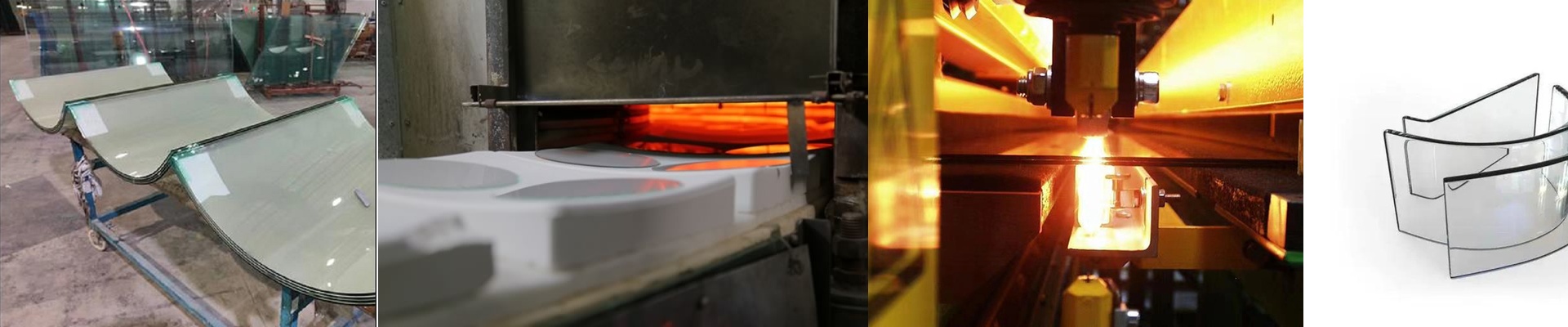
When drying Low-E glass coatings, you’re trying to do two things at once: drive off solvents quickly and set the film—while keeping oxygen away from the surface. That’s where the millisecond response shines. The lamp can follow your line speed and temperature setpoints with precision, so the coating spends less time in the oxidizing zone. The outcome? A process you can repeat with confidence, where you get full curing without pushing the film too far. One practical note: 2500W at 400V packs serious heat density. Make sure your machine’s cooling and thermal management are set up to handle it—keeping the area around the lamp at the right temperature protects the coating and keeps everything running smoothly.