

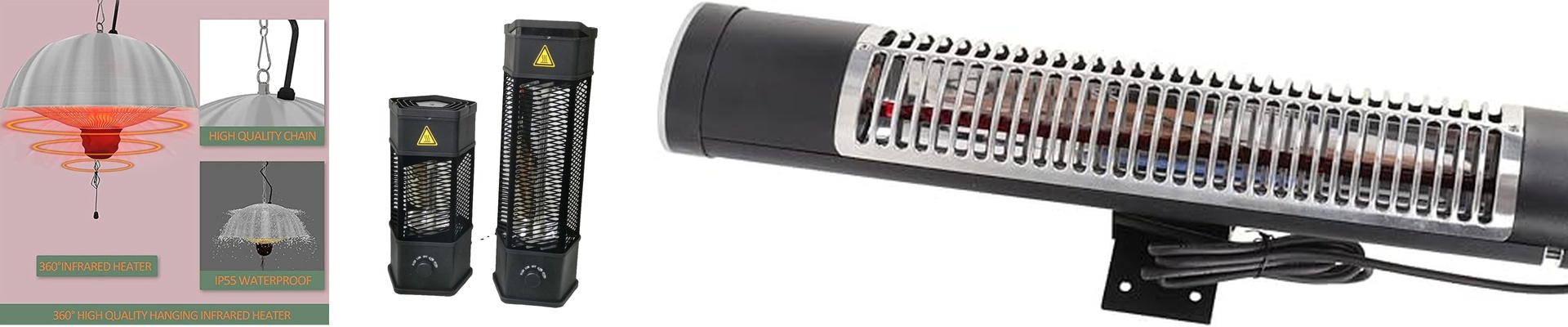
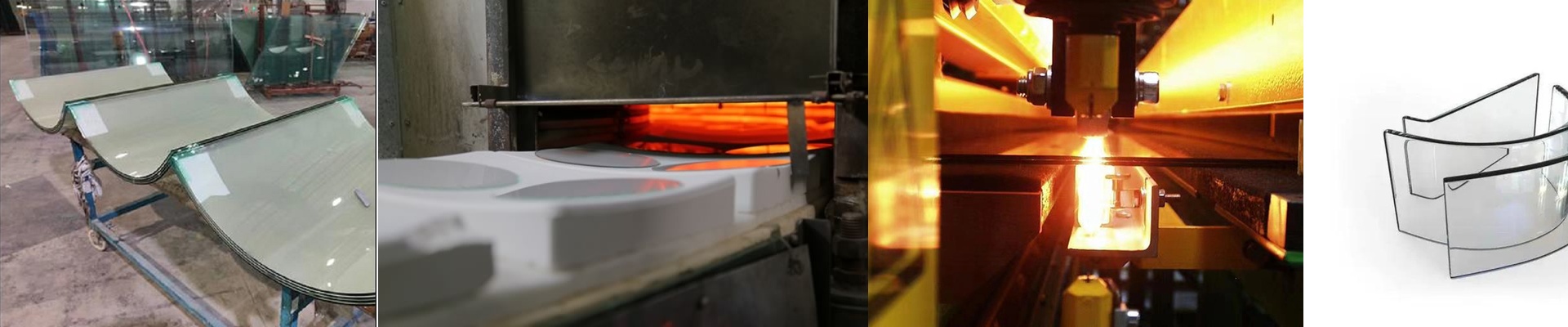
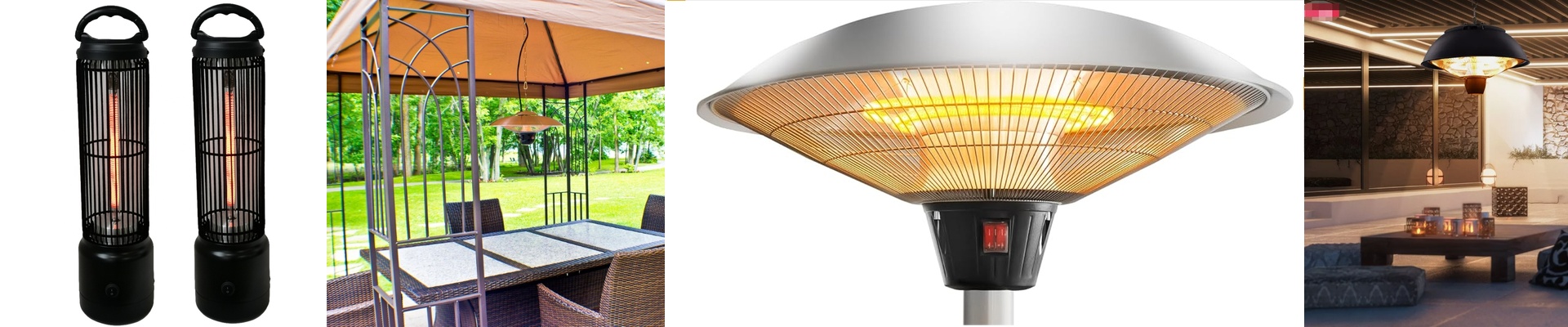
When that furnace door swings open on the line, there’s no time for second guesses. If the glass sees uneven heat, thermal gradients show up fast—and they punch straight through to uneven temper, sloppy stress distribution, and a pile of scrapped panes. Thermal stress doesn’t negotiate. It either snaps the glass or leaves it short on strength. So uniform heating isn’t a “nice-to-have.” It’s the price of admission if you want to run tempering at speed without bleeding yield. What we lean on, technically We get that uniform heating in tempered glass by running short-wave infrared quartz emitters. They respond quickly and keep the thermal field under tight control. High power density, fast ramp-up—so the heating zone hits setpoint fast and holds with minimal drift. The payoff is an even temperature profile across the glass surface, which keeps annealing and stress-relief stable and repeatable. That control knocks down thermal stress peaks that cause breakage, and it keeps temper uniformity inside a production-ready window. Why this plays on the floor In tempering and heat-bend lines, cycle time and repeatability set the pace. With uniform heating, you can cut soak time without chasing hot spots. More panes per hour, fewer rejects. Energy use drops because you’re not overshooting to compensate for uneven heat. Downtime falls too, because the heating module behaves the same shift after shift. And for insulating glass sealing and coating drying that happen before tempering, that same even thermal profile keeps you from cooking a spot that can ruin sealants and coatings. Here are the details that matter Installation is straightforward, but the furnace environment has a say. Reflective surfaces and airflow patterns shape temperature distribution, so you need to position the module around your actual convection profile. When you swap out aging lamps, match emissivity and output curves so the thermal field doesn’t drift. Plan a short re-calibration run after replacement to get stress-relief and tempering consistency back where it needs to be.