Stop Letting Your Patio Go to Waste in the Winter
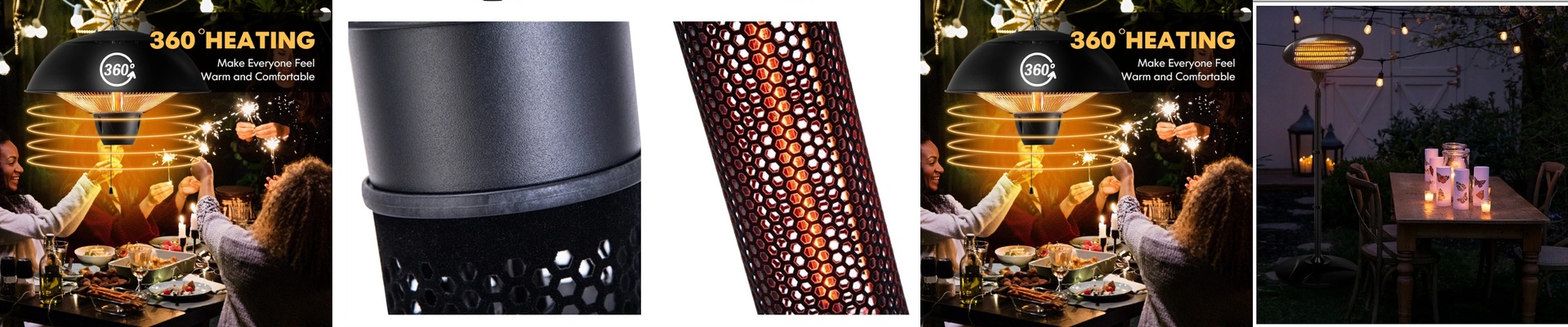
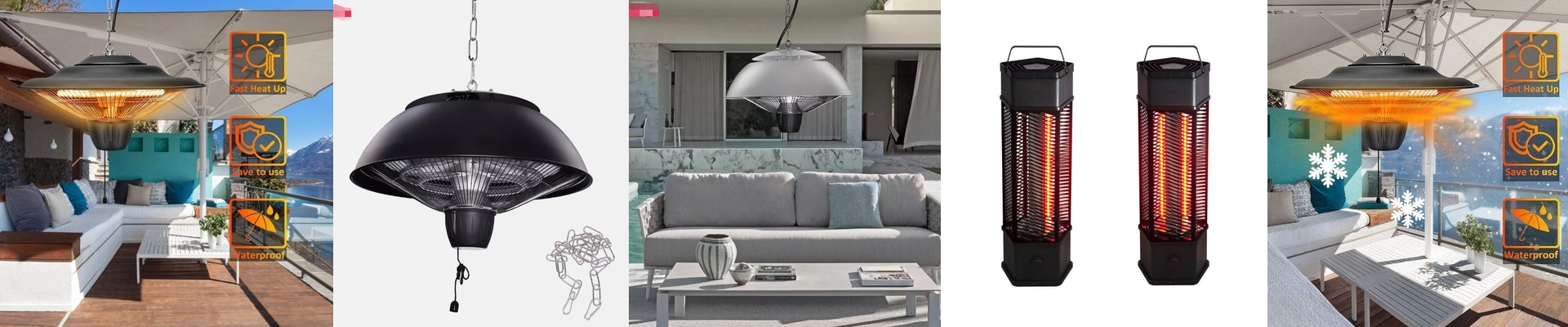
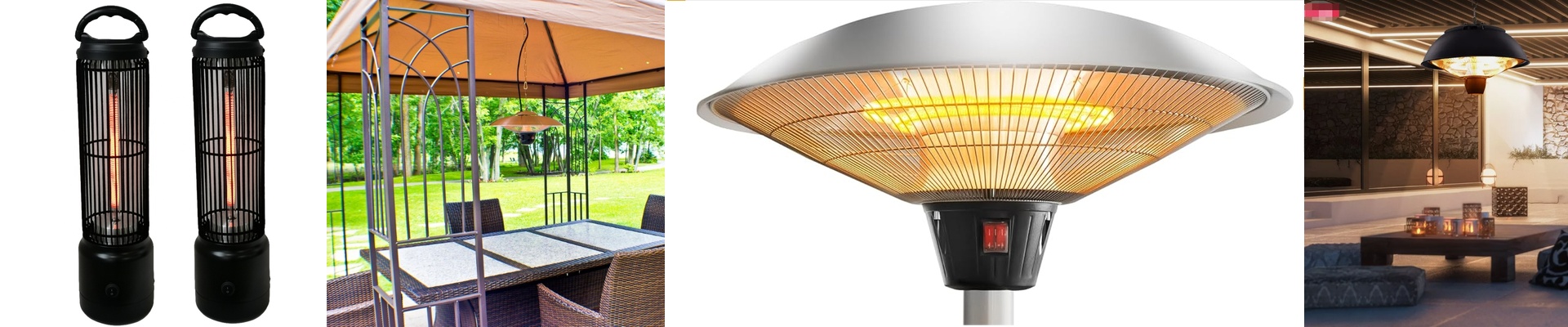
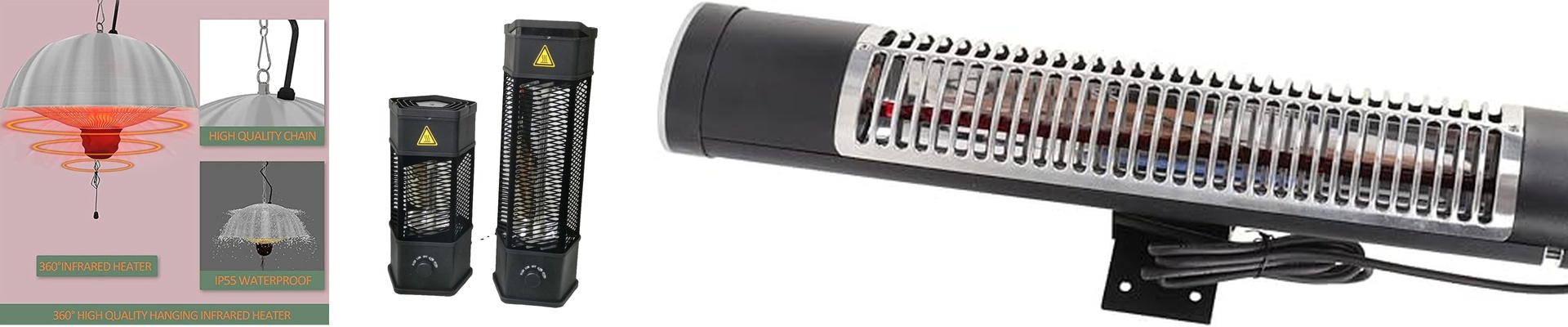
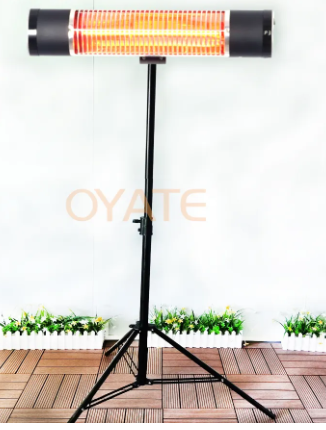
It’s a frustrating sight: a beautiful outdoor dining area sitting completely empty just because it’s November. Most people try to fix this with those big space heaters, but here’s the problem—they just warm the air. And as soon as a breeze kicks up, that warmth is gone. We do things differently. We use shortwave infrared. Instead of fighting the wind, these lamps beam heat directly onto your guests. It feels like sitting in a patch of sunlight on a crisp day. No more shivering, no more heavy coats draped over the chairs. Getting the layout right You can’t just slap a few heaters on a ceiling and hope for the best. You need a plan. We look at your ceiling height and how much wind your patio actually catches to figure out where the “warm zones” need to be. When a customer sits down and feels that instant hit of warmth, they relax. They linger. And when they linger, they usually order another round of drinks or a dessert. It’s simple math: comfortable guests spend more. The nitty-gritty stuff We use quartz-halogen elements because they’re fast. Like, “instant-on” fast. You don’t have to wait twenty minutes for the patio to warm up before opening for dinner. But a quick heads-up: these units pull a lot of power. We’re talking 1500W to 2500W per unit. If your electrical panel isn’t up to the task, you’re going to trip a breaker right in the middle of the Saturday night rush. Not a great look. We’ll make sure your wiring can actually handle the load and that the brackets are strong enough to hold the gear. Making it work for your bottom line Turning a seasonal patio into a year-round spot is one of the fastest ways to add more seats to your restaurant without actually expanding the building. Just a tip on the installation: don’t hang them too low. Shortwave lamps are bright and intense. If they’re too close to the table, you’ll end up blinding your guests or making the tabletop too hot to touch. We usually stick to a minimum height of 2.5 meters. And since you don’t need to heat an empty patio, we set up zoned controls. If only two tables are occupied, you only power the heaters in that section. It keeps your electricity bill from spiking for no reason.