
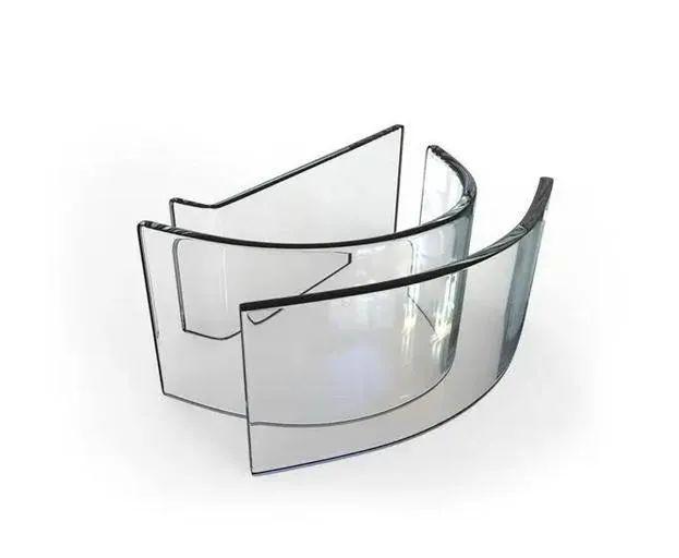
Stop the Cracks: Dealing with Thermal Shock in Glass
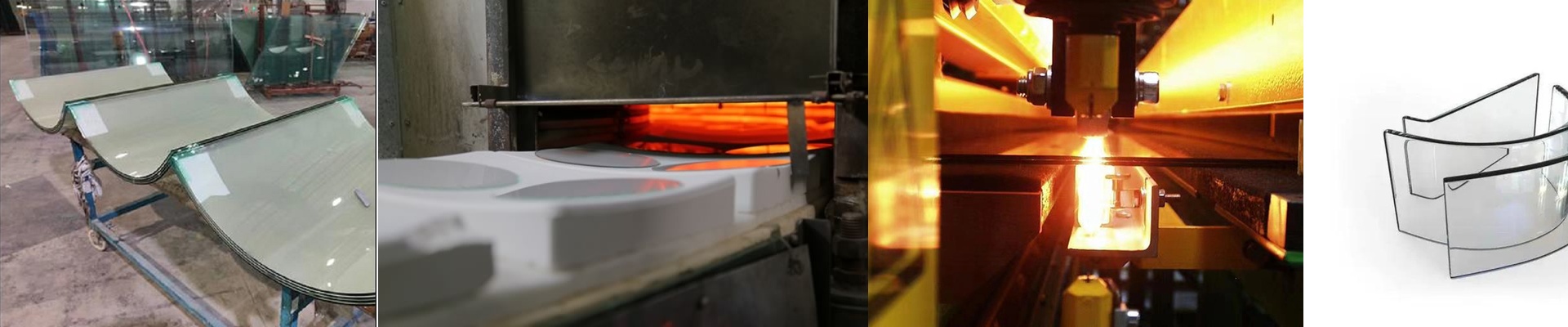
Nothing kills a production run faster than the sound of glass shattering. It usually happens because the temperature difference across the material gets too extreme—what we call thermal shock. If you want to keep your glassware from cracking during cooling and tempering, you can’t afford a laggy heating system. You need something that can pivot its power in milliseconds. That’s why we lean on short-wave infrared (IR) lamps. Why IR lamps actually work Think about old-school resistive heating elements. They hold onto heat. Even when you turn them off, they keep bleeding warmth into the air. IR lamps are different. They provide direct radiant energy. The second you drop the voltage or hit that thyristor control, the heat flux just… stops. It’s instant. We build these lamps to handle that kind of rapid cycling. It lets you keep the glassware in a very tight temperature window, so the outside doesn’t cool down way faster than the core. No tension, no cracks. The gear under the hood We usually go with high-wattage quartz tubes. By using a halogen-filled envelope, the lamp can run hot as hell without the filament giving up the ghost. The upside? You get way more heat density per inch. This means your equipment takes up less room on the factory floor. As for the connectors, it really comes down to how much you hate downtime. R7s connectors are great because when a tube finally dies, you just pop it out and drop a new one in. No fuss. A few things to watch out for Here’s the catch: high-density IR heating puts a massive strain on your electrical panel. If you’re running a bank of 2kW+ lamps, make sure your wiring and breakers can handle that initial surge of power. And a word of caution—while the heat response is fast, the quartz tube itself stays scorching. You’ll want solid shielding. Not only to keep your team safe, but to make sure the heat doesn’t start warping your machine frames.