
Stop the Bathroom Fog (and the Mold) Using Infrared
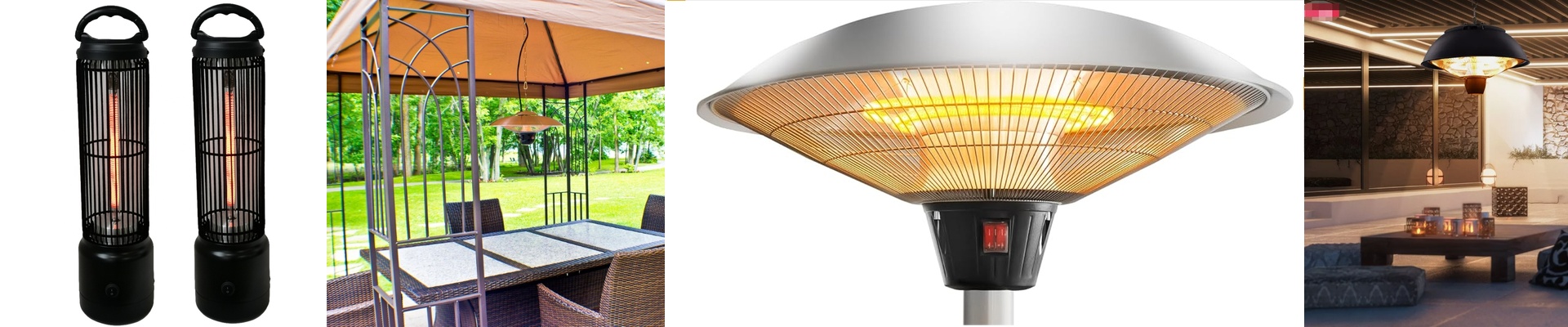
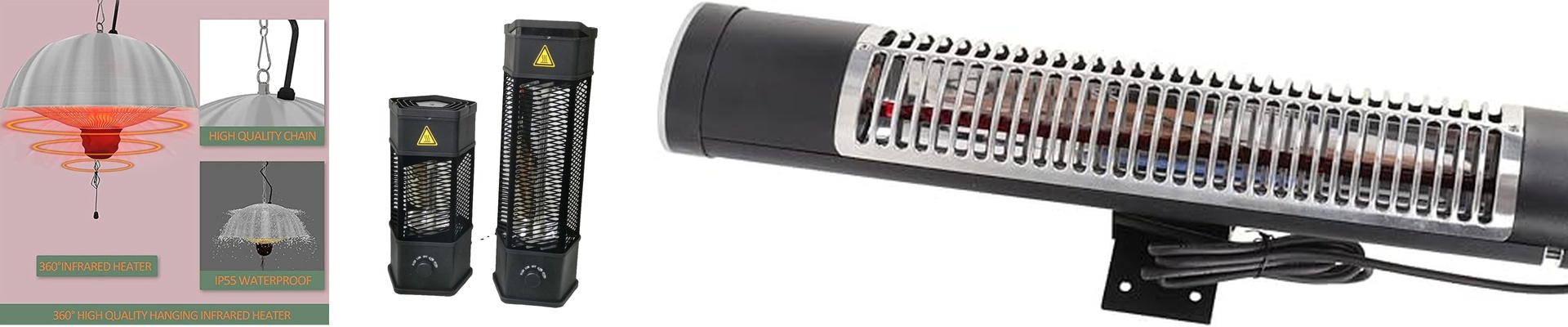
Most people see those heating lamps in the bathroom and think, “Oh, that’s just to keep me warm while I’m in my towel.” But there’s actually some pretty cool science happening under the hood. These aren’t your typical heaters. Instead of just warming up the air—which usually just pushes moisture into the corners of the room—these lamps use shortwave infrared. Here’s the thing: they don’t care about the air. They go straight for the surfaces.
How it actually works
Imagine your mirror, your tiles, and your walls. When you take a hot shower, the air gets heavy with steam. When that steam hits a cold mirror, it turns back into water. That’s your fog. These lamps change the game by heating the surfaces directly. By keeping your mirror or wall just a few degrees warmer than the air around it, the water simply can’t settle. No condensation. No fog. And since the walls stay dry, mold doesn’t have a place to move in. It’s a way of drying out your bathroom without having to run a loud, clunky dehumidifier all day.
A few things to watch out for
Now, you can’t just throw any high-powered lamp into a tiny fixture and call it a day. If the lamp is too powerful for the size of your mirror, you’re asking for trouble. Too much heat in one spot can actually crack the glass or ruin the silver backing on the mirror. It’s all about balance—matching the wattage to how far away the lamp is from the wall. Also, don’t leave them on 24/7. You’ll burn through the bulbs way too fast and your electric bill will make you cringe. I’d suggest hooking them up to a simple timer or a humidity sensor so they only kick in when they’re actually needed. One last tip: give these lamps their own dedicated circuit. They pull a lot of power the second they flip on. You don’t want to be halfway through a shower only to have the lights go black because you tripped a breaker.