Stop Wasting Power on Your Quartz Annealing
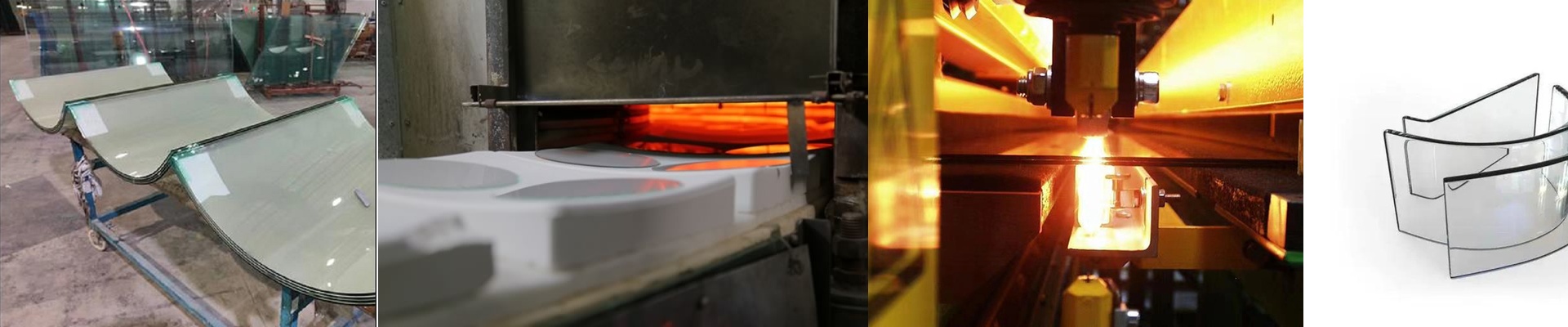
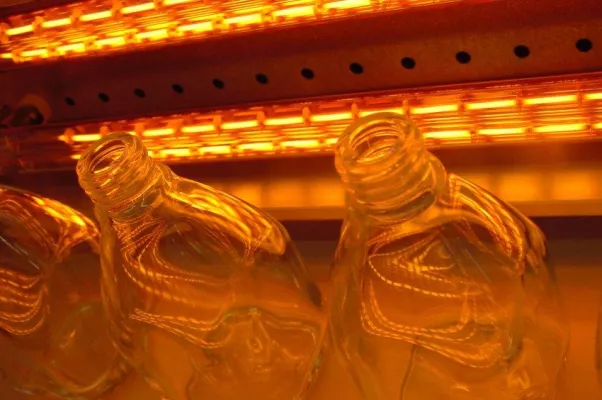
Let’s be honest: annealing is usually the biggest power hog in the entire glass line. If you’re using traditional resistive furnaces, you’re basically paying to heat up the air and the walls of the chamber. It’s a waste. We do things differently. We use shortwave infrared (IR) lamps that aim the heat right at the glass. It cuts down the warm-up time and, more importantly, knocks a decent chunk off your yearly electric bill.
Getting the heat where it actually belongs
Here is the trick: shortwave IR uses radiation, not convection. Instead of waiting for the air to get hot, the energy hits the quartz instantly. Because we use lamps with high wattage density, you can keep the temperature exactly where it needs to be across the whole surface. No weird hot spots, no internal stress, and way less scrap hitting the bin. It’s faster. Your throughput goes up. It just works better.
The gear under the hood
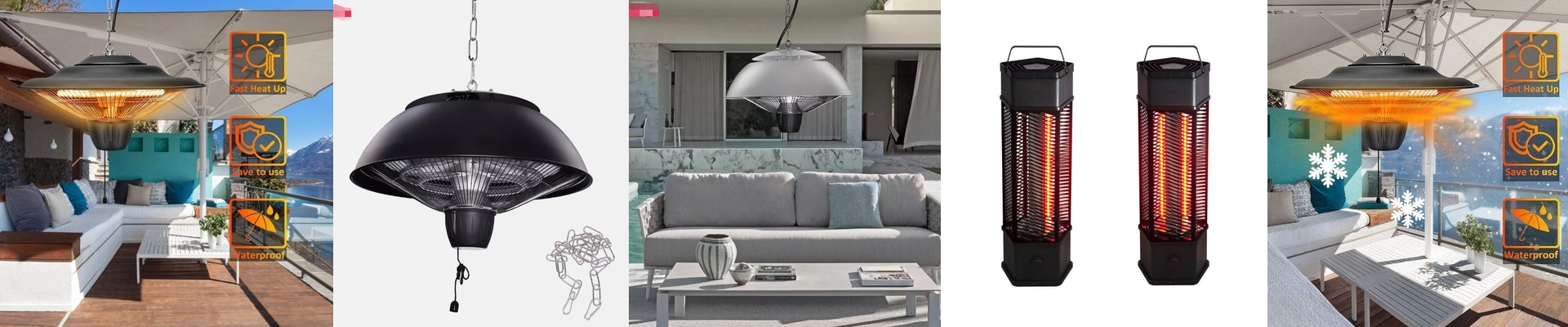
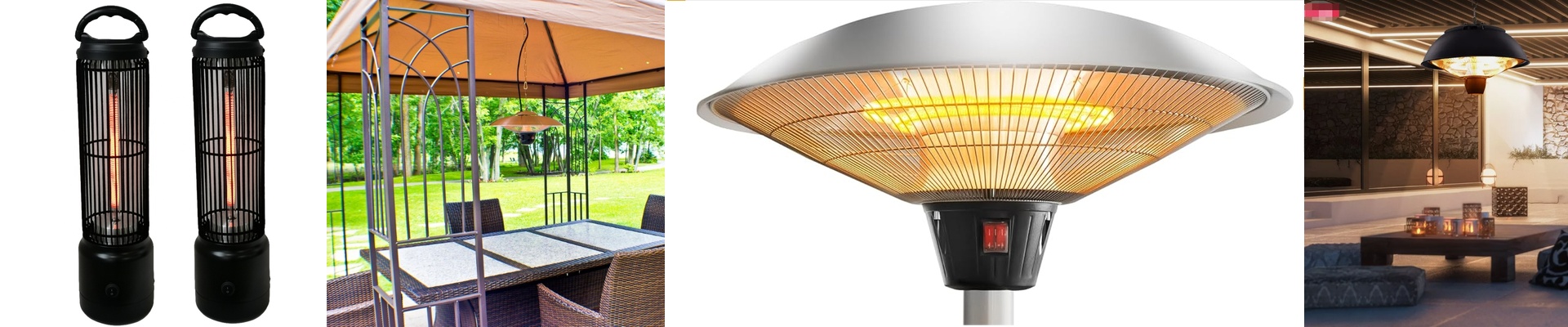
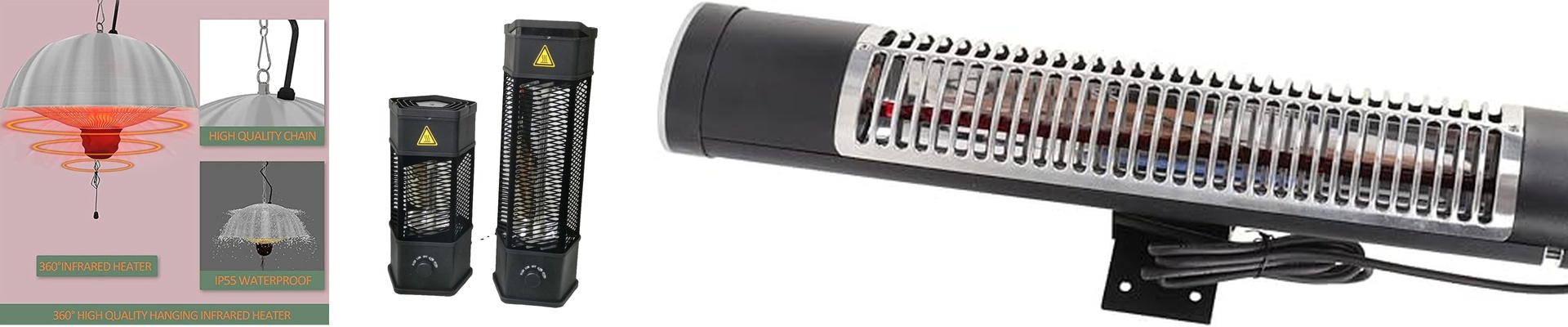
We house our tungsten filaments in high-purity quartz envelopes. Why? Because these things need to take a beating at high temperatures without warping or giving up. And don’t worry about your current setup. If you’re running a high-voltage industrial grid, we can match your existing power supply. You won’t have to shell out for expensive new transformers. Plus, we use standard connectors, so these are basically drop-in replacements. You can swap out your old heaters without having to rewire the entire rack.
A quick heads-up on cooling
Now, there is one thing to keep in mind. High-density IR puts out a massive amount of energy in a very small space. Because it’s so intense, your cooling system needs to be up to the task. If your ventilation can’t pull that ambient heat away from the lamp terminals, you’re looking at premature burnout. It’s a small detail, but it’s a big deal. At the end of the day, it’s about shifting your mindset. You stop trying to heat the whole room and start focusing on the glass itself. That’s how you actually bring your cost per unit down.