

Stop the Chips: Why We Preheat Glass Before Cutting
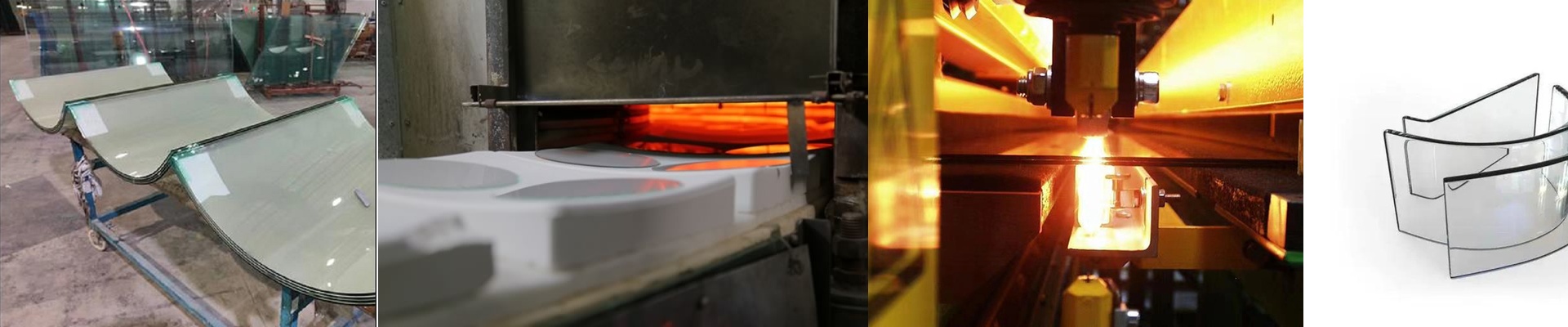
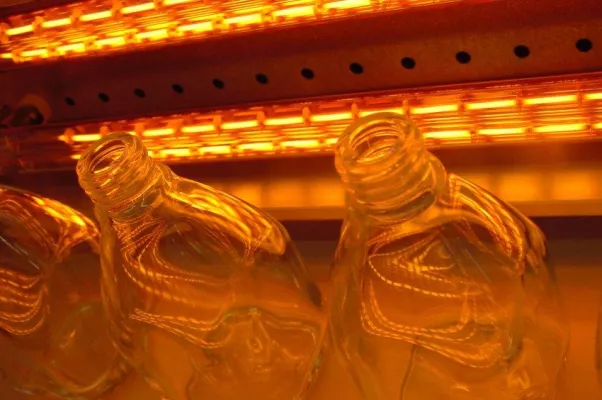
Let’s be honest: glass is a pain to work with. It’s brittle. When you hit it with a cutting wheel at room temperature, the internal stress just wants to snap. That’s how you end up with those annoying micro-fractures—the “chipping” and “corner breakouts” that turn a perfectly good piece of glass into scrap. We found a way to fix this. The trick is putting infrared (IR) heating lamps right before the nip rollers in the cutting line. How it actually works Here’s the thing about IR lamps: they use radiation, not convection. In plain English? They heat the glass surface almost instantly without turning your entire machine frame into an oven. When the glass warms up, it relaxes. It becomes a bit more “plastic” and way less likely to shatter when the mechanical score hits it. Instead of the crack branching out into those jagged, ugly chips, it just follows a clean, straight line. It’s the difference between snapping a frozen twig and bending a warm one. The gear you’ll need We usually go with shortwave quartz lamps. They penetrate the surface fast, which is exactly what you need when your line is humming along at high speeds. But you have to be smart about the specs. Your belt speed dictates everything. If you’re running a fast line, you’ll need more wattage per inch to make sure the glass actually hits that target temperature before it reaches the blade. The “Gotchas” It sounds simple, but there’s a catch. High-wattage IR arrays put out a ton of heat. If you just slap them in there without thinking, you’re going to cook your nip roller bearings or melt your conveyor belts. It’s a balancing act. You’ve got to use a cooling shroud or a decent airflow system to keep the heat on the glass and off your hardware. And a quick tip on the electrical side: make sure your power supply can handle the initial surge when those lamps first kick on. They’re hungry for power at the start. Getting an IR preheat stage going is the fastest way to stop throwing money in the scrap bin. It takes a volatile, “hope-for-the-best” process and makes it predictable.