
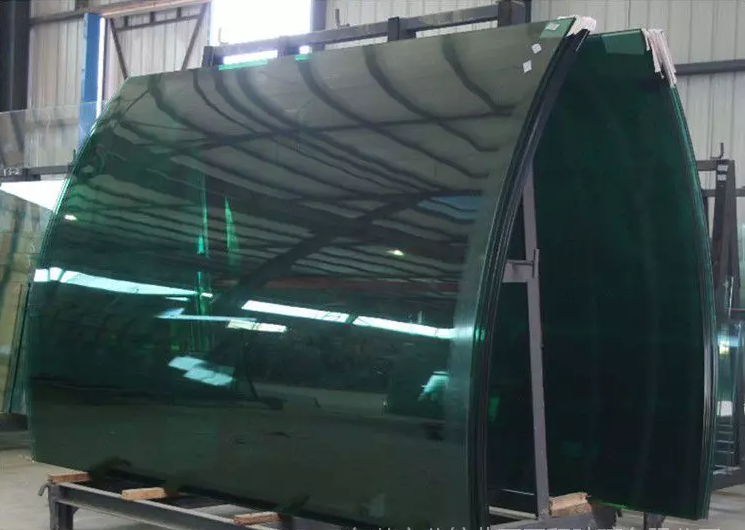
Dealing with Cold Spots in Glass Annealing
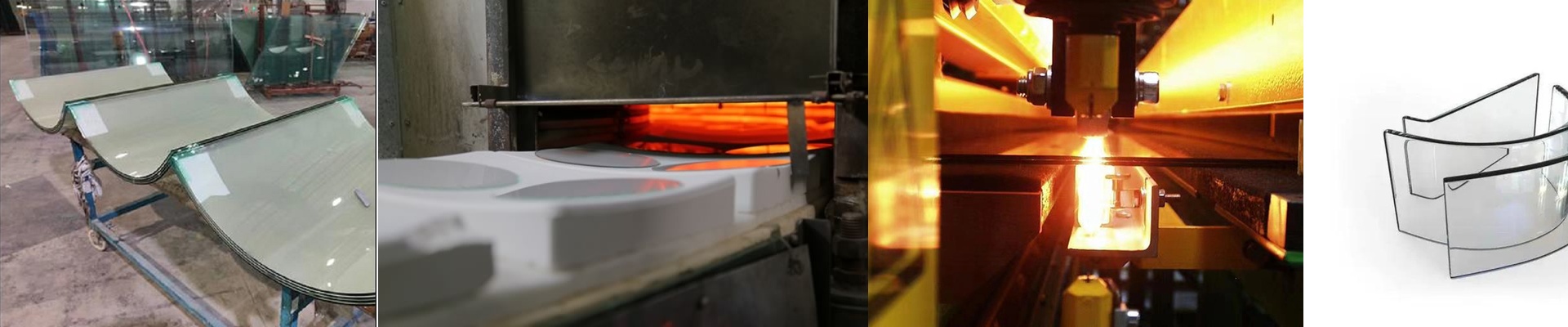
Anyone who’s run a glass coating line knows the headache of “cold spots.” It’s frustrating. You’ve got these tricky shapes—tight necks, flared rims, or deep bases—and the standard convection heat just can’t get into the nooks and crannies. You end up with uneven curing, and that’s a nightmare for quality control. We’ve found that shortwave infrared (SWIR) lamps are the way to go here. Instead of trying to heat the air around the glass, SWIR radiation goes straight through the surface and dumps energy directly into the coating. It’s much more direct.
Getting the Heat Everywhere
To actually kill those dead zones, you can’t just throw a lamp in and hope for the best. You need power density and smart placement. We set these lamps up in arrays so the radiation fields overlap. By angling the tubes, we make sure the heat actually hits those recessed curves instead of just bouncing off the rim. Since shortwave emitters run hotter than medium-wave ones, they pack a lot more punch per square centimeter. The best part? You can actually make your heating tunnel smaller without slowing down your production.
The Gear and the Trade-offs
We usually lean toward quartz-halogen tubes. Quartz is great because it handles the extreme heat needed for fast drying without warping or twisting. Depending on your voltage needs, you can wire them in series or parallel. But here’s the catch. High-wattage tubes are powerful, but they’re aggressive. If the glass sits still for too long, you’ll get localized overheating. You’ll see bubbles in the coating or, worse, the glass will just crack from thermal shock. You have to get your conveyor speed and lamp wattage perfectly synced. It’s a balancing act.
Making it Work on the Floor
When it comes to the actual install, the reflectors are where you win or lose. We use gold or polished aluminum to bounce that “lost” heat back onto the glass. It keeps the energy where it belongs and stops the rest of your machinery from baking. One quick tip: if you’re swapping out old elements, double-check your connectors. A sloppy fit leads to arcing, and that’s a fast track to burning out your new lamps way too soon.