
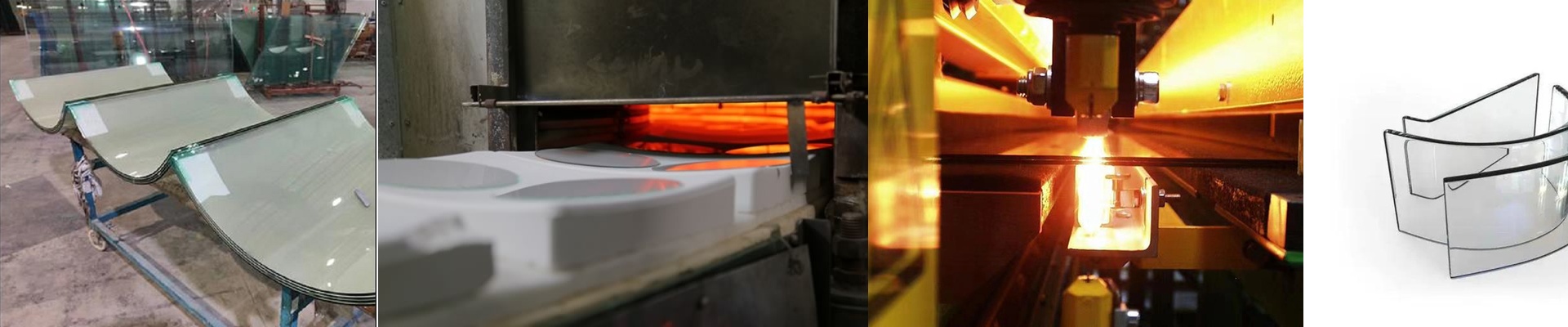

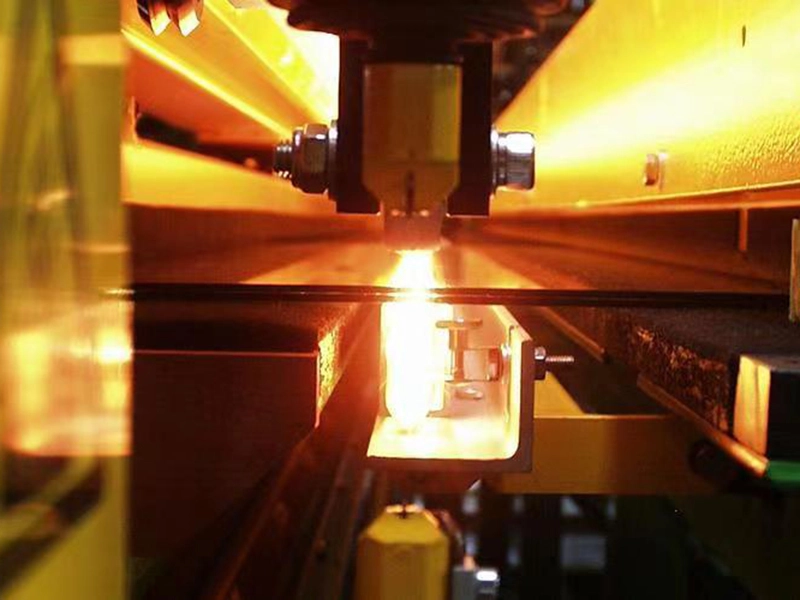
Cutting through ultra-thick glass is a nightmare for your equipment. If you’ve ever tried to push a diamond or tungsten carbide wheel through heavy stock, you know the feeling. It’s a fight. The resistance is brutal, and more often than not, your wheels wear out way too fast or the glass just fractures in a way you didn’t plan for. We found a way around this. Instead of just forcing the blade through, we use high-penetration infrared (IR) lamps to pre-heat the path. Here’s the thing: regular heating doesn’t do a thing with thick glass because the material just sucks the heat away. You need shortwave IR radiation. These lamps don’t just warm up the surface; they actually reach deep into the glass. By hitting that cutting line with the right energy, we can lower the viscosity and ease up the internal tension. It basically makes the glass feel “softer” for the blade. And the payoff is huge for your tools. When the path is already conditioned, the cutter wheel doesn’t have to fight the full hardness of cold glass. There’s way less friction. No more chipping. No more burnt-out wheels. We’ve seen a massive jump in how many meters a single wheel can cut before it needs to be tossed. It turns a violent mechanical struggle into a smooth, controlled split. But you have to be careful. These lamps put out an intense amount of heat. If you crank the wattage too high or put the lamp too close, you’ll hit the glass with thermal shock. Then you’ve got a cracked plate before the wheel even touches it. It’s all about the balance. You have to sync the lamp’s focal point with how fast the cutting head is moving. That’s why a tight feedback loop is a must. We suggest wiring it up with a precise PID controller. That way, the heat stays exactly where it belongs—on the path—and doesn’t bake the rest of your workpiece.