The Tug-of-War Between Sharp Prints and Strong Glass
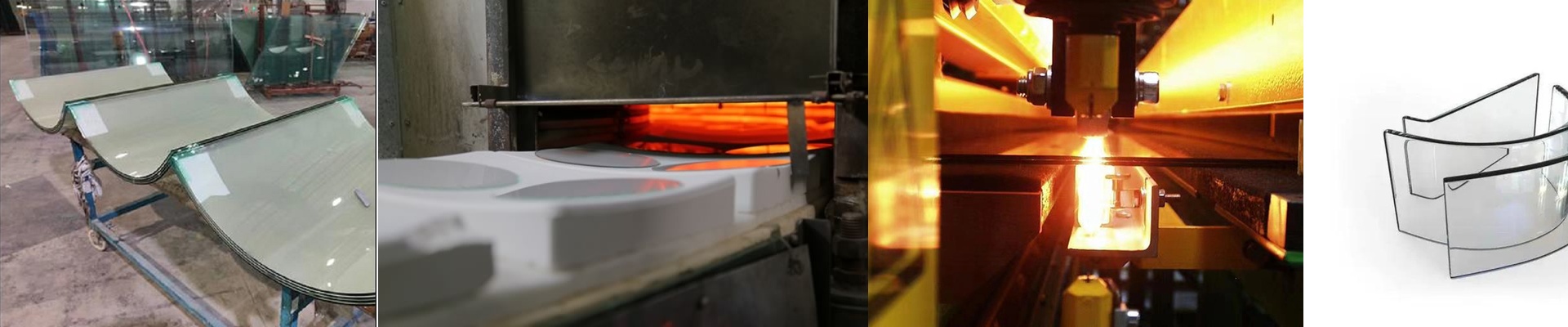
If you’ve ever run a screen-printing line for glass containers, you know the headache. You’re stuck in this constant tug-of-war. On one side, you need enough heat to fuse the ink so the pattern looks crisp. On the other, too much heat—or just a bit of uneven warmth—creates internal stress. And that’s when the glass cracks. To stop that from happening, we use shortwave infrared (IR) lamps. Why? Because they hit the surface instantly. No waiting around.
Finding the Sweet Spot
It’s all about hitting a very specific temperature window. You want the ink to cure, but you can’t let the glass get so hot that it starts softening in some spots and not others. We lean on high power density here. The goal is to punch that heat through the print layer fast. If the glass sits in a “lukewarm” state for too long, the ink starts to bleed or blur. Nobody wants a fuzzy logo. But you have to be careful with your wattage. Too low, and you’re left with residual stress that shows up during inspection. Too high? You’re looking at thermal shock. It’s a delicate balance.
Getting the Heat Right
We use quartz-halogen tech because it keeps the spectral output tight. Honestly, shortwave IR is the only way to get energy deep into the glass wall quickly enough to matter. But the lamps themselves can’t just be thrown in there. If you have “hot spots,” your patterns get ruined. I always suggest a staggered lamp array. It makes sure the container gets heated evenly as it spins. And keep an eye on your conveyor. If your belt speed jumps around, your print quality will too. You’ve got to sync that belt speed perfectly with how the lamps ramp up.
The Stuff Nobody Tells You
Here’s the thing: high-density IR lamps are power-hungry. A 2kW+ setup puts a massive load on your electrical panels. And it gets hot. I mean really hot. You can’t just install the lamps and walk away. You need a solid cooling system for the housings. If you skip that, the reflectors can actually warp from the heat. Once they warp, your heat distribution goes sideways, and your scrap pile starts growing.