


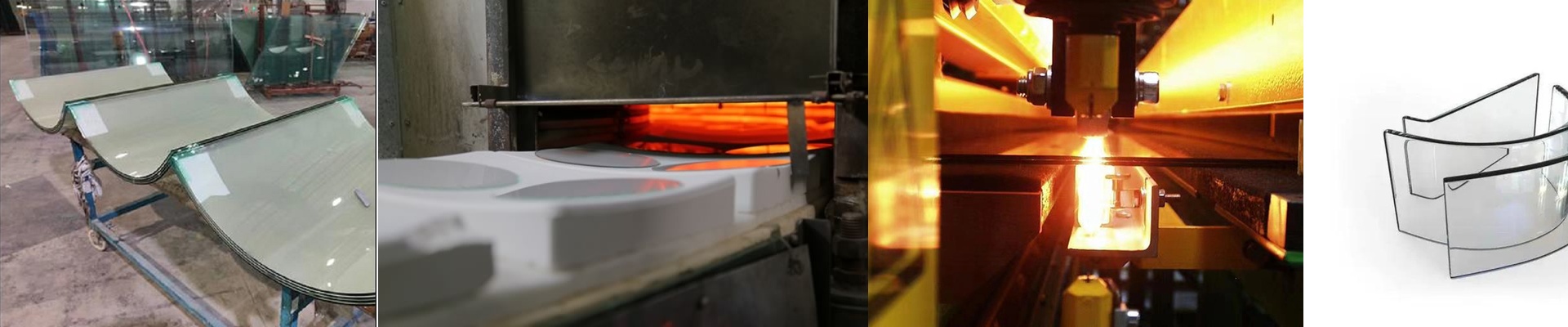
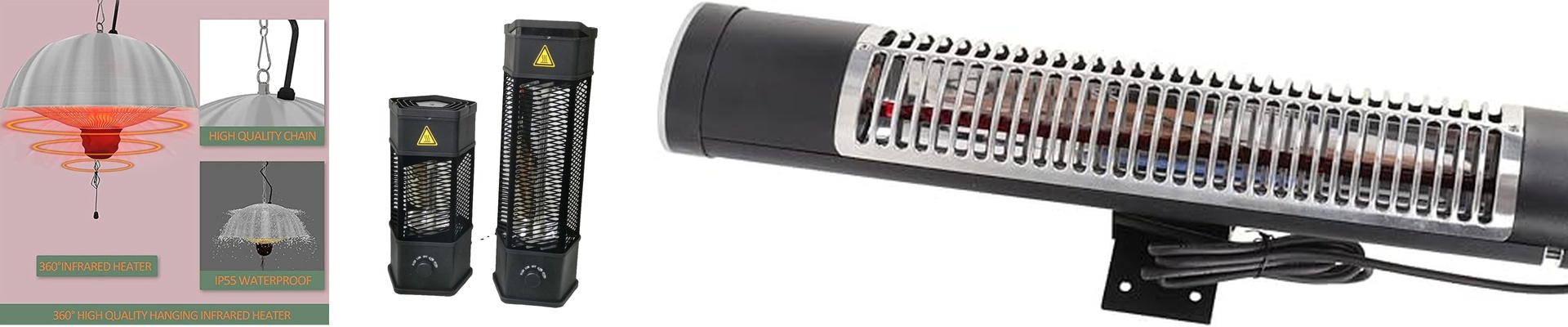
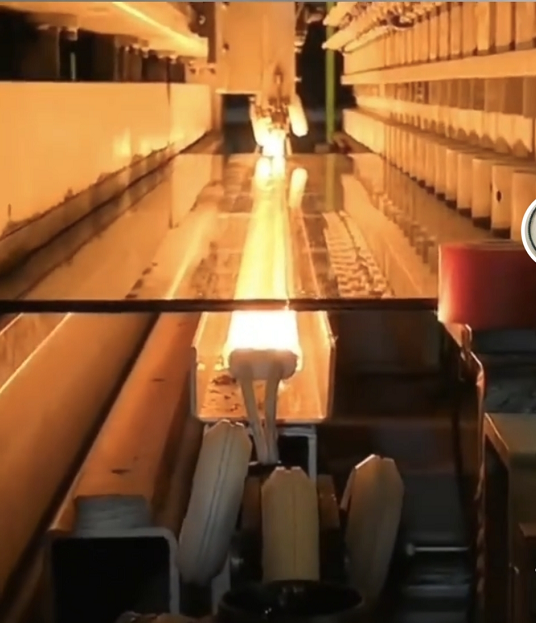
On the glass line, heating isn’t a background step—it’s where yield, safety, and cycle time get decided, every shift. A tempering furnace that runs hot in the middle and cool at the edges. A bending station that takes too long to stabilize. A lamination press chasing temperature swings. Those issues don’t stay theoretical—they show up as scrap, rework, and wasted energy. We build industrial quartz heaters for glass plants that treat temperature like a repeatable process variable, not a guess. What matters technically Our industrial quartz heaters use short-wave infrared elements to deliver rapid, direct radiation with low thermal inertia. That means fast ramp-up and tight control when you need to change glass thickness or geometry without long settling times. Element geometry and reflector layout are engineered to create a uniform thermal field across the glass surface, cutting down local hot spots that drive thermal stress and edge fractures. We offer standard voltage options and modular form factors sized to match common heating zones, so the heater fits the machine footprint instead of forcing you to redesign the line. Why it works in practice In tempering, uniform heating improves quench consistency. That helps you hold flatness and strength while reducing breakage. In bending, the fast response shortens hold time at setpoint—throughput goes up without sacrificing shape repeatability. For lamination—EVA, SGP, or PVB—stable, even heat across the ply stack improves adhesion uniformity and reduces bubble defects. In insulating glass sealing, controlled heat supports consistent edge seal integrity. And energy use drops because the heater delivers heat on demand and cools quickly, avoiding the steady losses you get from convection-heavy systems. What you need to keep in mind Short-wave quartz heating is line-of-sight, so spacing and aiming have to match the glass path. You’re dealing with higher peak power density than medium-wave options, which means the control system needs a fast response and clean power. Surface contamination—dust, coating overspray, and condensate—can drift performance, so routine cleaning and inspection have to be part of the maintenance plan. We provide mounting and wiring guidance to fit existing fixtures, but final alignment should be validated on your specific glass sizes and line speed.