

When the bay doors swing open and winter air pours in, a heater that only warms the air is already fighting a losing battle. Warm air rises and vanishes, leaving your hands stiff and your timing off. Infrared changes that. It goes straight to what matters—your tools, the work surface, and you—so the work keeps moving, even when the space is drafty.
What matters under the hood
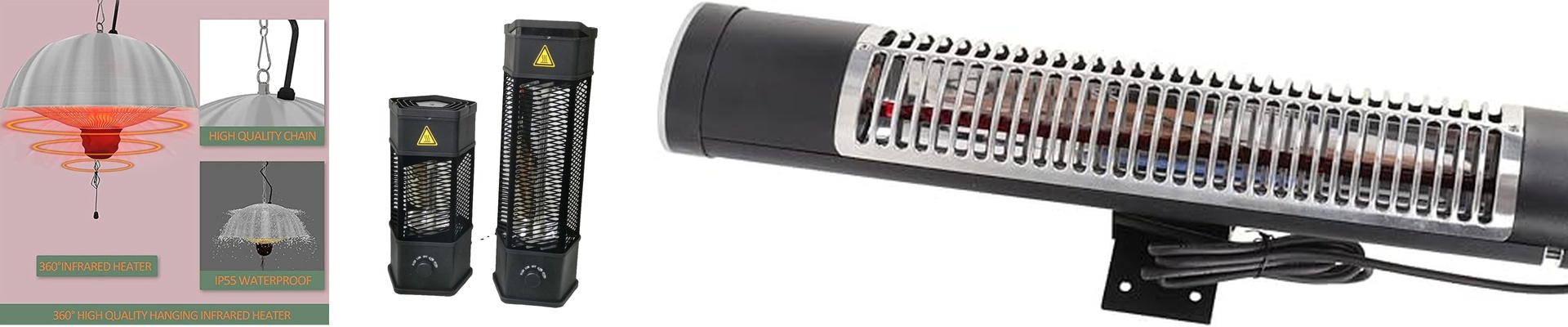
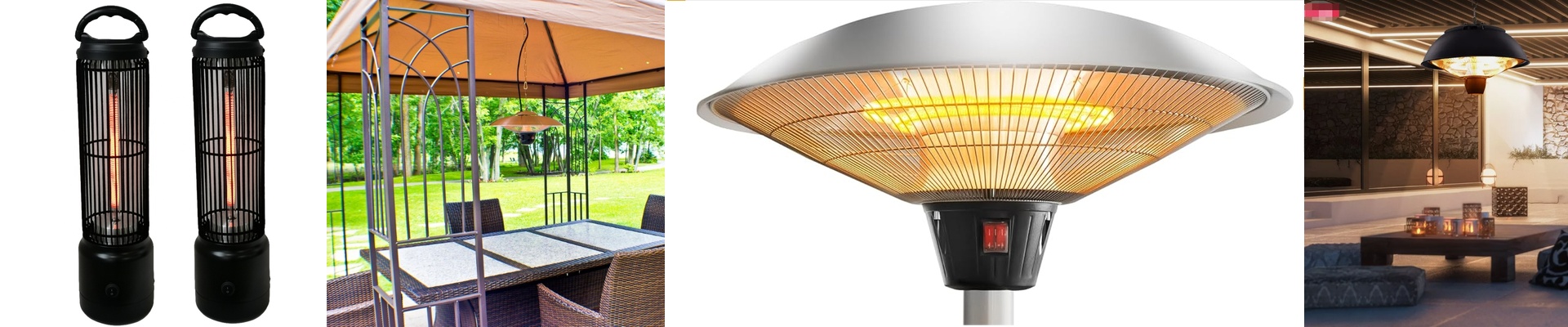
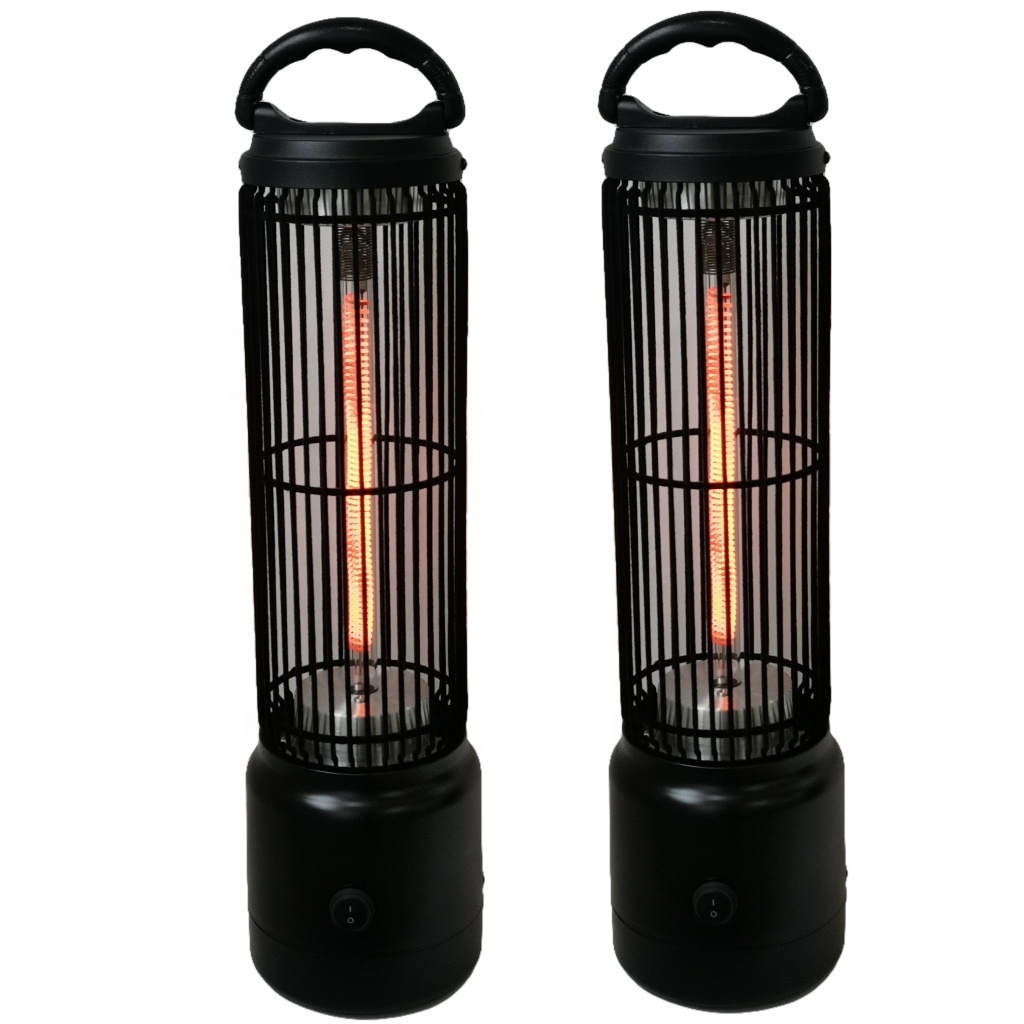
We built this greenhouse electric heater around a carbon fiber element that delivers medium-wave infrared. The output is a broad, even radiant field—steady warmth with minimal glare, unlike short-wave units that can be harsh on the eyes. It runs at 1500W in a compact profile, ready for the 120V outlets you find in most workshops. A built-in thermostat holds the temperature steady, and tip-over protection shuts the unit down if it gets knocked over. The housing is sealed to an IP rating that holds up in dusty spaces, and the reflector puts the heat where you need it.
Why this approach works in a shop
In a garage workstation, you don’t need to heat the whole volume—you need local warmth. Infrared heats your gloves, the tool handles, and the metal parts you’re touching, so your fingers stay nimble and your rhythm stays tight. You feel the warmth within seconds, not minutes, and the heat stays where you aim it. That means fewer pauses to warm up, less fumbling, and work that keeps pace with the job. Energy goes where it counts, because you’re not throwing away heat trying to fight open doors with convection.
The practical stuff
Infrared heats surfaces and people directly, so the air off the beam can still feel cool. Position the heater to cover your work zone and your body, not just the floor. For best results, keep the unit at least 3 feet from combustible materials and follow standard workshop clearances. If you need broader coverage, consider adding a second unit to cover both sides of the bench.