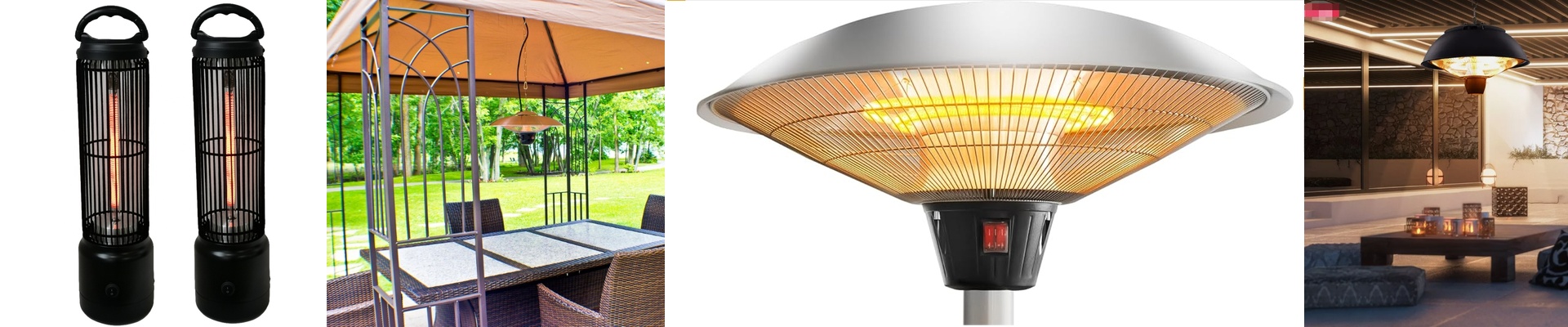
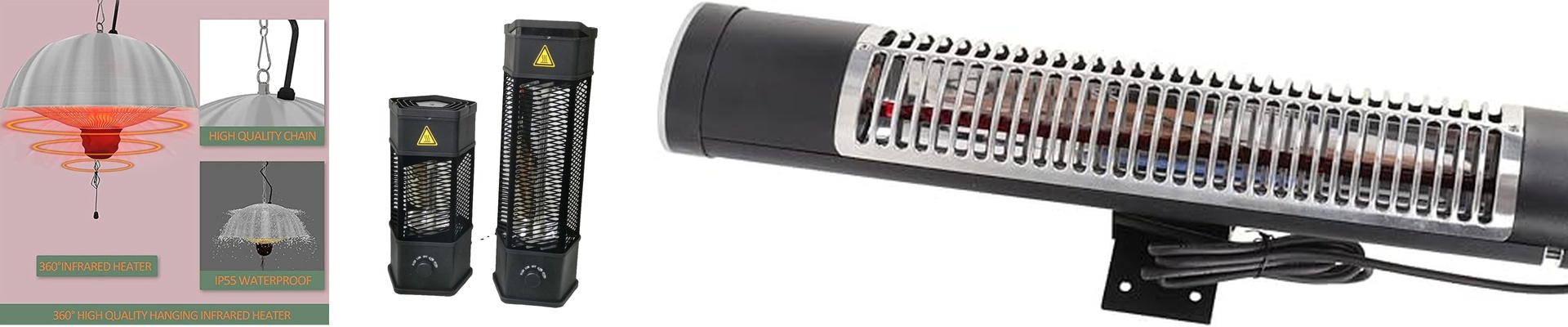


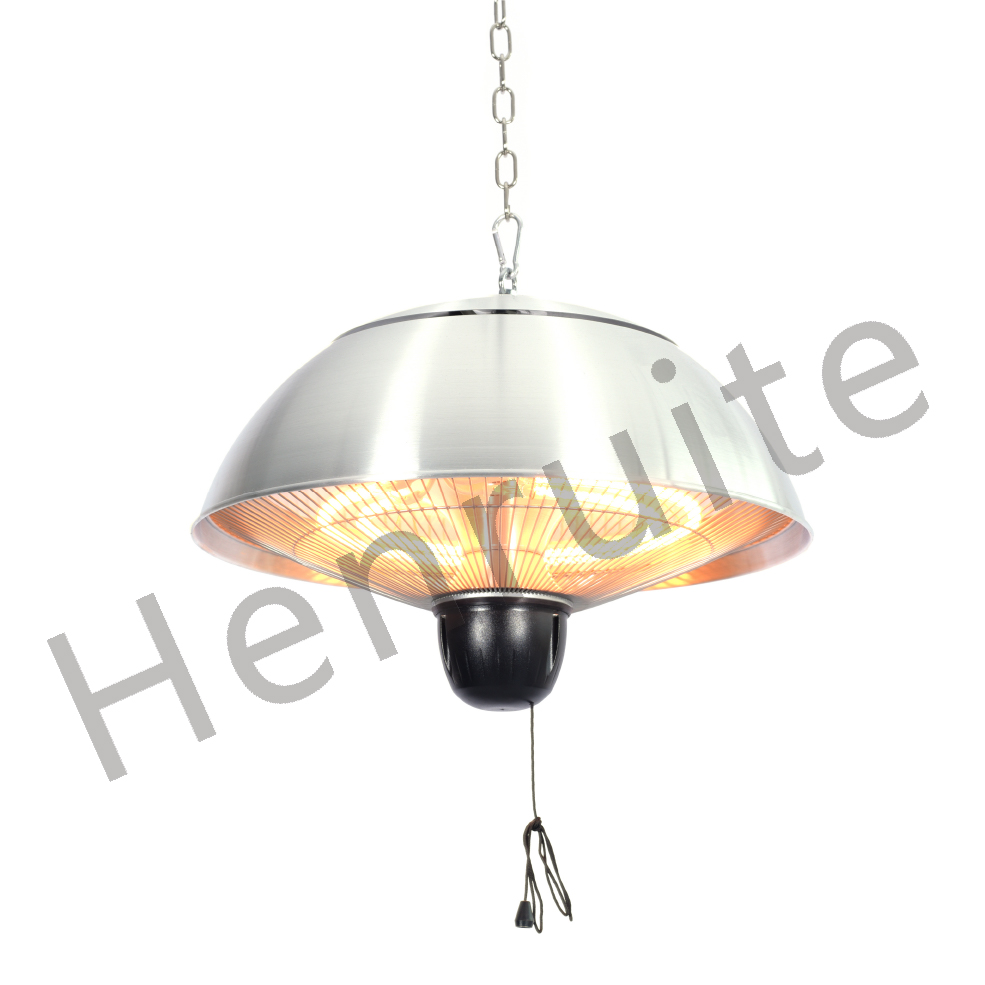
That thin film of dust on your infrared heater’s quartz tube or reflector? It’s more than just cosmetic. It quietly steals output, forces the element to run longer, and quietly drives up your energy use. The good news is that a few minutes of routine care keeps the warmth strong, the bills under control, and the heater performing the way it should. What’s actually happening under the hood Infrared electric heaters deliver comfort by radiating heat straight to people and surfaces, not by trying to warm the air. In many models, a carbon fiber or quartz element teams up with a reflector to focus warmth forward. When dust settles, it acts like insulation on the tube and dulls the reflector. The result is a measurable drop in effective output—same power draw, less usable heat. Keeping the emitter and reflector clean is one of the most direct ways to protect efficiency. Why this matters in practice Daily upkeep matters most when the heater lives in living spaces, covered patios, or workshops—places where airborne particles gather. A clean infrared heater warms you faster, so you can run shorter cycles. That translates to fewer kWh over a season. You also get steadier comfort, fewer hot-and-cold swings, and less strain on the internal components. When the surfaces stay clear, the heater performs as designed instead of working harder than it needs to. Here’s what to keep in mind Always power off and let the heater cool before cleaning. Wipe the tube and reflector with a soft, dry cloth; if you need it, a slightly damp cloth works, but skip any cleaners that leave residue. Keep the intake vents clear, and check the power cord and plug for damage. Most electric infrared heaters need a dedicated outlet and a stable, level spot. They perform best in sheltered outdoor areas or indoor spaces with controlled humidity. For safety, stick with units that have tip-over protection and a thermostat—steady comfort, and smarter energy use.