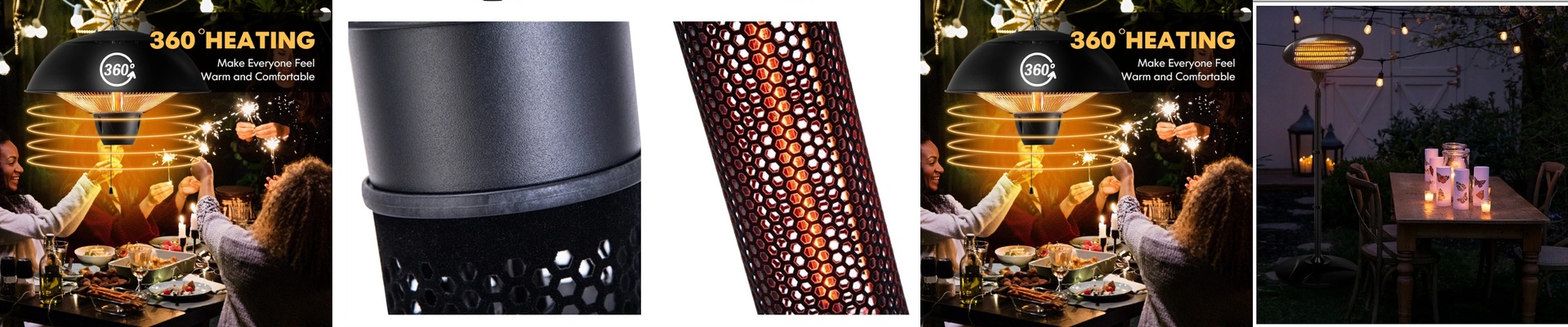
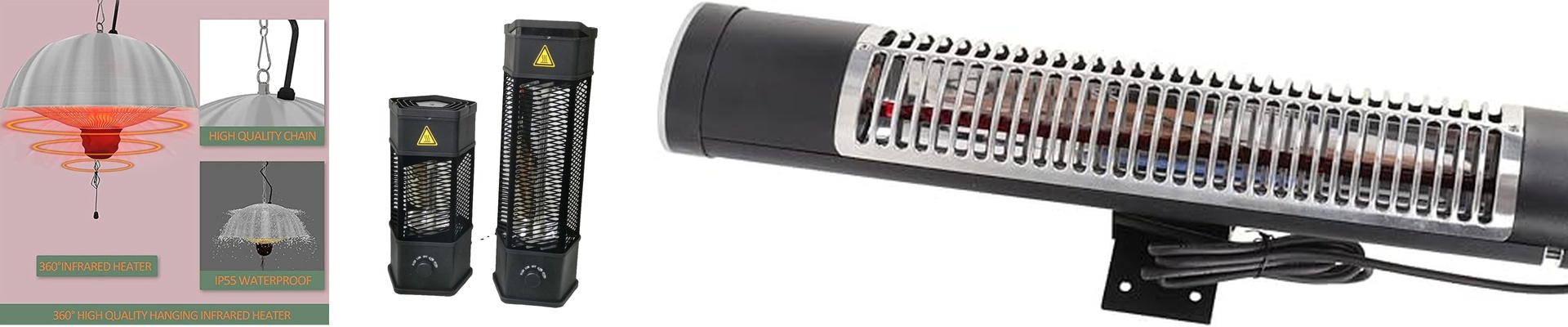
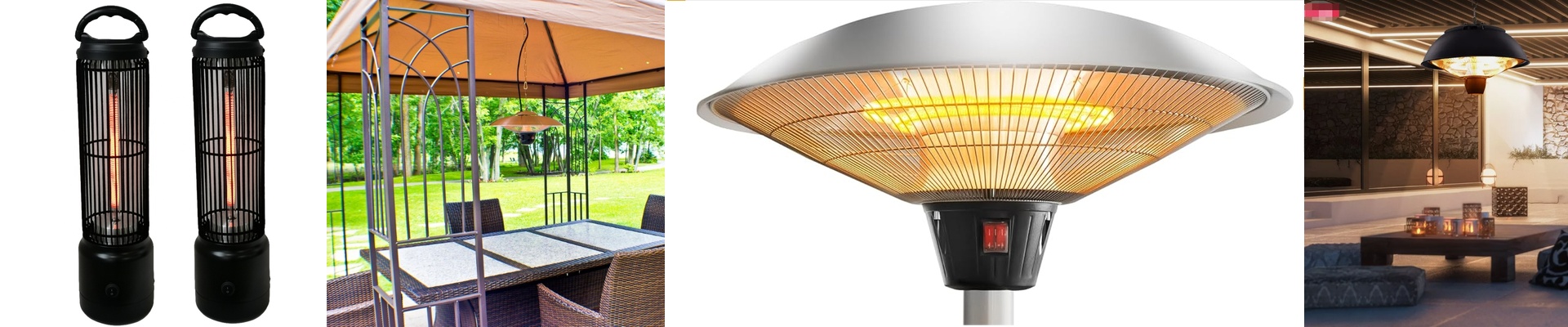
Commercial property owners get the cold reality the moment the bills land: heating a string of caravans, lodges, or shared areas with conventional convection systems quietly bleeds budget and drags ESG performance down with it. The numbers don’t lie—energy costs climb, carbon footprints widen, and maintenance cycles keep getting shorter. The real question isn’t whether you heat the space. It’s how you heat it with intent. What matters under the hood Infrared caravan heaters deliver warmth the way the body actually feels it—direct radiant heat. We lean on a carbon fiber element that comes up to temperature in seconds, not minutes, and emits in the medium-wave band for deep, even comfort without the harsh glare you get from short-wave units. In practice, a 1.2 kW model can warm a 12 m² caravan interior quickly, running off standard 230 V circuits and holding steady at 98% conversion efficiency. Built-in thermostats keep temperature swings within ±1°C, and the IP55-rated housings are built to shrug off the damp conditions that come with outdoor hospitality. Why this approach fits the job Cut energy use and both sustainability and asset value move in the right direction. Infrared heaters put heat on the people, not the air, so you aren’t wasting energy on empty space. That trims overall site consumption, supports lower Scope 2 emissions, and gives your ESG story some real backbone. Guests notice right away—warm floors, fewer drafts, and a gentle heat that makes them linger. On the operations side, you’re looking at lower utility bills, fewer service call-outs, and a quieter, more dependable guest experience that supports a premium positioning. The practical details that make it work Infrared warmth is directional, so placement is everything. Aim the heaters toward seating and sleeping areas, and pair them with reflective back panels to keep the heat where you want it. Because radiant heat warms objects directly, drafts at doorways can still slip cold air in. In high-traffic entries, consider an air curtain or weather stripping to keep things comfortable. Plan the circuit layout early. These units need a dedicated outlet and a stable, dry mounting point. Get that right and they run with minimal fuss.